6 Thrilling White Water Rafting Classes in Nepal – Ultimate River Grades Guide
Introduction to White Water Rafting Classes in Nepal
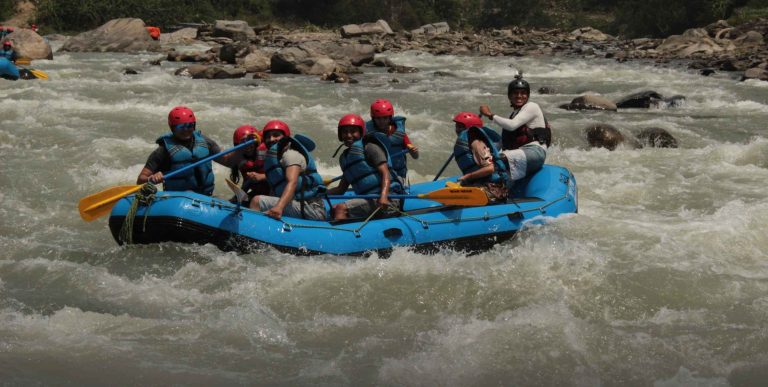
Nepal’s rivers are living highways of adventure, offering world-class whitewater rafting experiences framed by the dramatic Himalayan landscape. At Nepal River Runner (NRR), we combine decades of field experience with expedition knowledge to guide adventurers safely through these rivers, providing insight into technical challenges, risk management, and the thrill of navigating continuous rapids.
Whitewater is categorized using the International Scale of River Difficulty, ranging from Class I (easy) to Class VI (extreme/exploratory). Plus (+) and minus (−) modifiers indicate slight variations in difficulty.
Our observations are based on real-time expedition experience, historical rapid mapping, and reference knowledge from classic guides such as White Water Nepal. Seasonal snowmelt, monsoon rains, floods, landslides, and hydropower projects constantly reshape river morphology, making scouting and expedition planning essential for safety and adventure.
What Are River Grades? International Scale of River Difficulty
- Class I (Easy): Fast-moving water, small waves, minimal obstacles; self-rescue easy.
- Class II (Novice): Straightforward rapids with medium waves and rocks; occasional maneuvering needed.
- Class III (Intermediate): Moderate, irregular waves and tighter passages; boat control and maneuvers required.
- Class IV (Advanced): Intense, turbulent rapids; precise navigation essential; scouting recommended.
- Class V (Expert): Extreme, sustained rapids; long sequences, high risk; advanced skills required.
- Class VI (Extreme/Exploratory): Rare, highly unpredictable rapids; only expert teams; risk of fatality high.


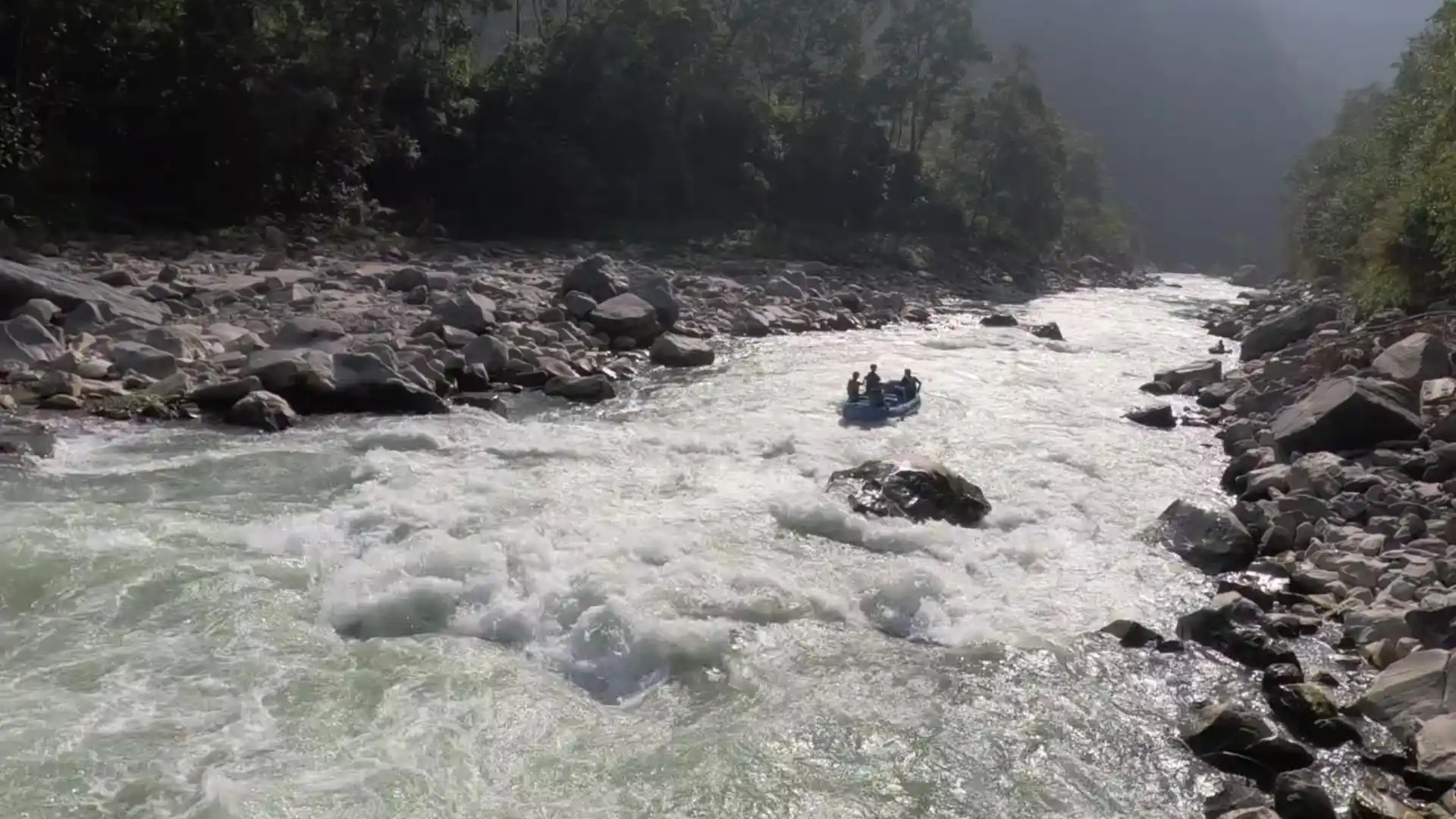


Modifiers (+/−): Indicate upper or lower range within a class. For instance, III− is less intense than III+, IV− is less challenging than IV+, etc.
Integrating Rapids Classes on Multi-Day Expeditions
Rivers in Nepal are dynamic — difficulty varies along different sections. Multi-day expeditions, such as the 13-day Tamur trekking-cum-rafting journey, offer continuous sequences of technical rapids. Even within a single river, segments can range across multiple classes, providing diverse experiences for intermediate and expert rafters alike.
Key Rivers and Rapids — Nepal River Runner Observations
Sun Koshi River
Sun Koshi is one of Nepal’s longest and most iconic expedition rivers. Our field-based observations over multiple expeditions indicate:
Current Rapid Status: Many historic rapids have been diminished due to floods, landslides, and riverbed changes. Several technical features remain runnable in peak season.
Representative Rapids (Class ±, current conditions):
- Punch (IV−): Steep, punchy waves; scouting essential.
- Judy (III): Moderate; requires maneuvering.
- Pre-Anxiety (III) & High-Anxiety (IV−): Energetic series; lines vary with seasonal flow.
- Harkapur I & II (V−): Previously intense; now largely diminished legacy features post-2024/25 floods.
- Jaws (IV−): Forms large holes in high water; scouting required.
- Rhino Rock (IV): Boulder-strewn; flow-dependent lines.
- Big Dipper (IV) & Black Hole (III): Later sections near Tribeni; altered by monsoon floods.
- Dead Man Eddy (IV−): Dangerous eddy; conditions flow-dependent.
Hydropower Impact: The Sunkoshi Marine Diversion Dam is under construction and currently halted due to contractor discrepancies. If completed, upper and lower sections could see altered flows, reduced rapid intensity, and sediment disruption.
Seasonal Notes:
- Spring snowmelt: Intensifies Class IV− and IV+ sections.
- Monsoon: High flows may create dangerous conditions; scouting essential.
- Dry season: Low flows flatten some rapids; technicality reduced but still present.
Bhote Koshi River
Steep, adrenaline-packed river (~15 m/km gradient) with continuous technical rapids.
Current Observations: Upper Bhote Koshi is unrunnable due to dam construction; previous rapid sequences now inaccessible. Lower sections maintain high-adrenaline Class IV–V rapids at peak flows, and Class III during low flows.
Representative Rapids:
- On the Bhote Koshi, iconic rapids such as Gerbil in the Plumbing (Class IV+), Frog in a Blender (Class V–), Ferret in Your Pants (Class V), and The Great Wall (Class V) have been significantly diminished or effectively demolished. This change is the result of the major 2014 Chure village landslide, which reshaped the riverbed, combined with reduced seasonal volume caused by ongoing upstream dam construction and regulated flow.
Hydropower & Sediment Impact: Flow regulation or future dams could permanently alter the river’s signature continuous drops.
Balephi River
A technical tributary of Bhote Koshi/Sunkoshi River, offering short but demanding rapids. Suitable only for highly skilled paddlers; rapid intensity is highly flow-dependent. Seasonal monsoon can increase Class III+ to IV− conditions.
Tamur River
Expedition Type: 13-day trekking-cum-rafting expedition.
Technical Profile: Continuous Class IV− to IV+ rapids with long sequences and integrated trekking segments. The river is fully runnable and maintains technical intensity throughout the expedition.
Verified NRR Observations:
- Total rapids: ~120 over 131 km
- General difficulty: Class II–IV+, including sustained technical sections.
- Seasonal variations significantly affect technicality and water levels.
Seasonal Notes: When is the safest season for rafting Class IV rivers?
- Spring snowmelt: Rapids gain power; Class IV sections more intense.
- Monsoon: Rapids become extremely challenging; scouting essential.
- Dry season: Rapids remain technical, though wave height and intensity are reduced.
Hydropower / Environmental Considerations: Flow regulation upstream can alter rapid intensity, especially in low-flow periods. Landslides or floods can reshape boulder placement along continuous sequences.
Karnali River
Expedition Type: Multi-day expedition rafting (NRR package, 4–6 days depending on entry/exit).
Technical Profile: Continuous Class III+ to IV+ rapids; upper gorges may reach V in peak flow.
Verified NRR Observations:
- The river is known for extended technical sequences, wilderness access, and sustained large volume whitewater.
- Seasonal flow variation: Spring and monsoon flows increase rapid intensity; dry-season flows maintain technical challenges but reduce wave height.
Environmental Considerations: Floods, landslides, and upcoming hydropower regulation can modify channel features and rapid intensity, requiring real-time expedition adjustment.
Seasonal Considerations Across Rivers
- Spring (snowmelt): Increases volume and intensity; technical rapids become more challenging.
- Monsoon (July–September): High flows may render some sections unrunnable; scouting critical.
- Dry season: Lower flows flatten rapids; technical sections remain runnable but less intense.
Nepal River Runner adjusts expeditions based on real-time flow monitoring to balance safety and adventure.
Hydropower, Landslides, and Flood Impact
Nepal’s rivers are constantly shaped by natural and human factors:
- Run-of-River (RoR) Projects: Divert water, dewatering sections and flattening Class III–V rapids. Sediment disruption changes boulder placement.
- Reservoir/Storage Dams: Drown upstream rapids and regulate downstream flow, eliminating natural flood pulses critical for whitewater formation.
- Floods & Landslides: Move boulders, diminish or reshape rapids, and alter lines and hazards.
Case Example: Upper Bhote Koshi is unrunnable due to dam construction, while Sunkoshi’s upper and lower sections may see permanent rapid modification if the Marine Diversion Dam resumes operation.
Best Season for Rafting in Nepal
Choosing the best time for white water rafting in Nepal is crucial, as river conditions, water levels, and weather change significantly throughout the year. For adventure seekers, the most favorable seasons are post-monsoon (September to November) and spring (March to May). During these periods, rivers are generally flowing at moderate to high levels, rapids are exciting but manageable, and weather is pleasant with clear skies and comfortable temperatures, making it ideal for both thrilling rafting and scenic Himalayan experiences.
Post-Monsoon (September to November)
After the monsoon rains, rivers swell and offer full flows with vibrant rapids, providing an exhilarating rafting experience across Nepal’s Himalayan rivers. The weather is generally settled, visibility is excellent, and the surrounding landscapes are lush and picturesque, making this season perfect for both beginners and experienced rafters.
Spring (March to May)
During spring, snowmelt from the Himalayas contributes to lively river flows while temperatures remain mild. Spring offers consistent river conditions and clear skies, providing scenic views along the riverbanks. This season is ideal for rafting enthusiasts who want a combination of adventure and breathtaking Himalayan scenery.
High Water / Monsoon (June to August)
The monsoon season brings heavy rainfall, significantly increasing river levels and current speeds. Rafting during this period is very challenging and can be dangerous, except for expert teams on select rivers. Most commercial rafting trips are suspended or limited during these months for safety reasons.
Conclusion:
Nepal’s rivers are living, ever-changing, and breathtaking whitewater systems. At Nepal River Runner, we combine decades of local expedition experience, field observation, and classic rafting knowledge to deliver:
- Accurate whitewater class guidance (+/−).
- Real-time assessment of flood, landslide, and hydropower impacts.
- Safe and thrilling expedition planning for Sun Koshi, Bhote Koshi, Balephi, Tamur, and Karnali.
Adventure, technical challenge, and Himalayan beauty are at the heart of every expedition. With informed planning, respect for seasonal flow variation, and on-the-ground expertise, rafters experience Nepal’s rivers at their most exciting and safe.