Bhotekoshi and Balephi Rafting

Starting Point

Starting Point Andheri (Lower Bhote Koshi)

Duration

Duration 2

Difficulty

Difficulty Class III/ Class III+

Activity

Activity White water rafting 

Max. altitude

Max. altitude 1350 m

Best Season

Best Season Spring and Autumn

Distance

Distance 22KM

Group Size

Group Size Minimum 1, Maximum 14

Ending Point

Ending Point Balephi confluence or at Sukute

Bhotekoshi and Balephi Rafting Trip Highlights

  • Experience two different paddling styles in one weekend, relaxed pool-and-drop Class III waves of the Lower Bhotekoshi and technical rapids on the Balephi Khola on Day 2.
  • An easy weekend escape from Kathmandu involving just a 3-hour drive to world-class whitewater and riverside beach camping.
  • Discover the stories behind the rivers by learning about the origins of the Bhotekoshi and Balephi Khola, shaped by history, trade, and the Himalayas.
  • Enjoy riverside camping, beautiful scenery, and villages while rafting.

Overview of Bhotekoshi and Balephi Rafting

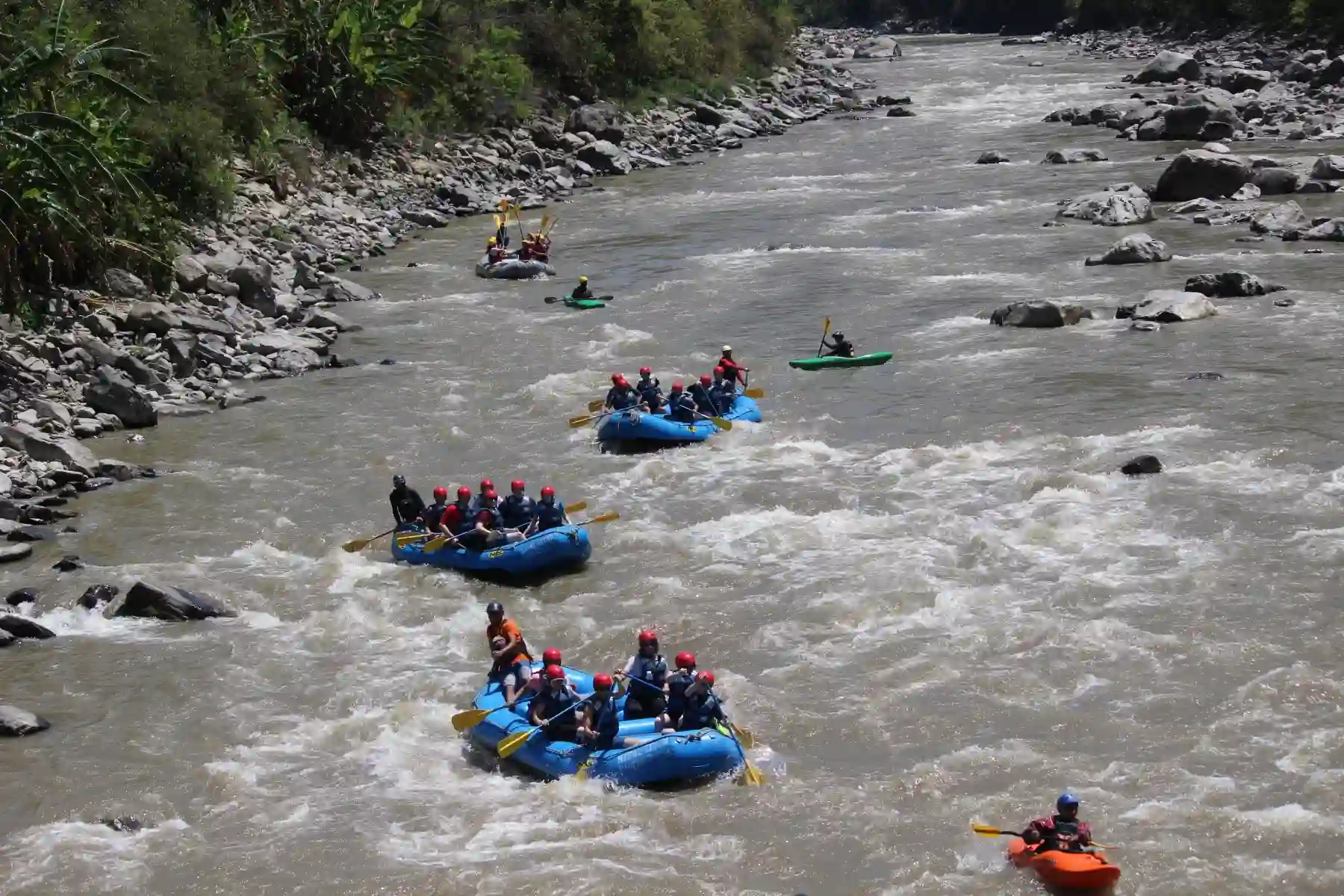
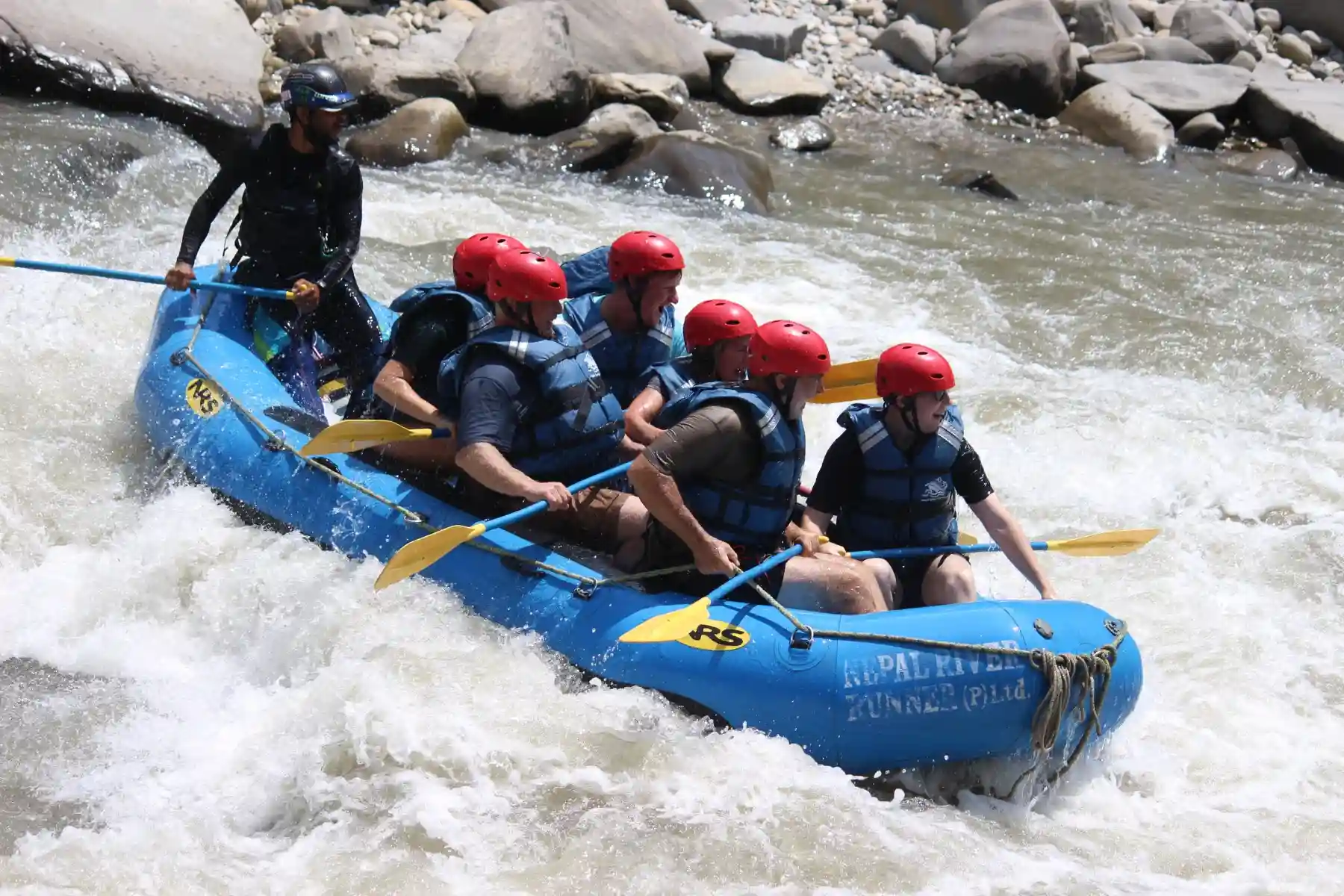
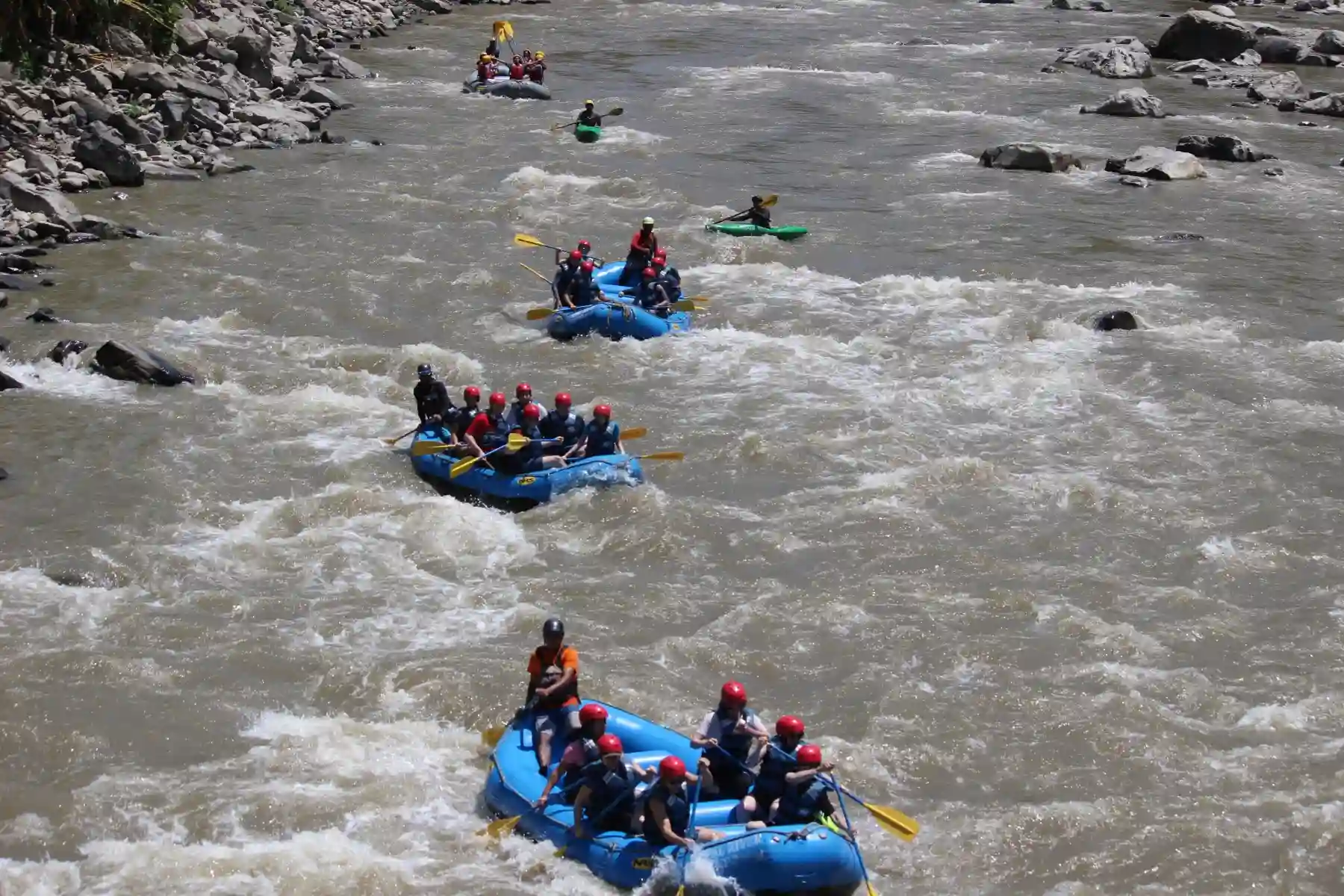
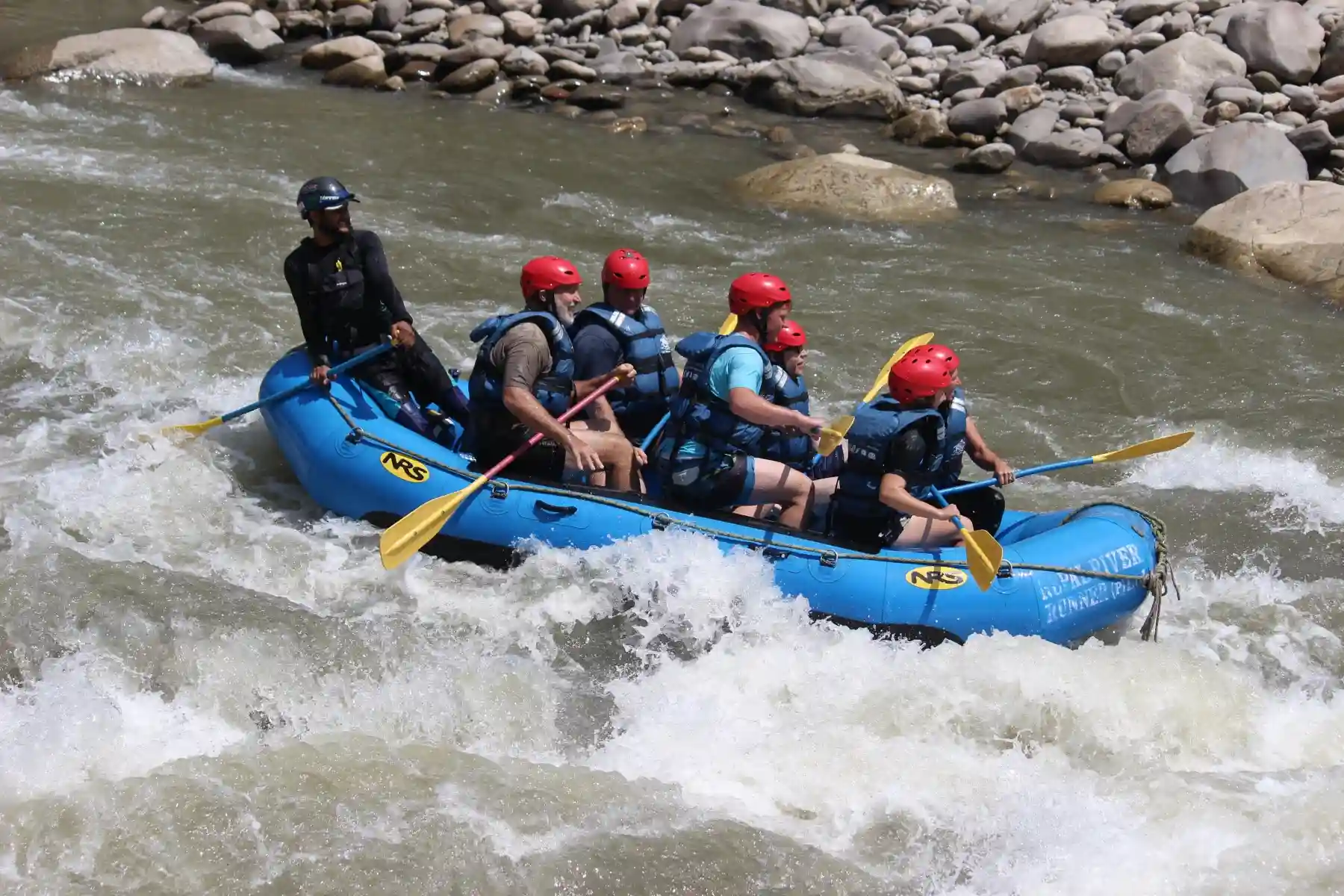
Bhotekoshi and Balephi Rafting is a 2-day white water rafting trip near Kathmandu that combines two very different Himalayan rivers into one adventure. On the first day, you’ll raft the Lower Bhotekoshi River, known for its fun Class III rapids and wide pool-and-drop sections. On the second day, you’ll tackle the Balephi River, which involves tight, fast-flowing, technical boulder slalom down the narrow with a mix of Class III and III+ sections that require teamwork and precise paddling.

Located just 3-4 hours from Kathmandu, this trip is an excellent choice for travelers looking for more excitement than the Trishuli River without committing to longer rafting expeditions like the Sun Koshi Rafting. Beyond the rafting itself, you’ll spend a night at a peaceful riverside campsite in Sukute, enjoy freshly prepared meals, relax around a beach campfire, and wake up to beautiful views of Nepal’s Himalayan foothills.

Also, throughout the trip, our experienced and certified river guides provide detailed safety briefings and professional instruction. They also provide high-quality rafting equipment, ensuring a safe and enjoyable experience for paddlers of all skill levels.

The Bhotekoshi River, whose name means “River from Tibet,” originates on the Tibetan Plateau, while the Balephi River flows from the pristine Jugal Himal range. Together, these two rivers in Nepal create one of Nepal’s finest short rafting adventures by combining thrilling white water and an authentic outdoor camping experience.

Detailed Bhotekoshi and Balephi Rafting Itinerary

Day 1: Drive From Kathmandu to Sukute

We depart from your Kathmandu hotel between 6:30 AM and 7:00 AM. If your hotel booking includes a Bed & Breakfast (BB) plan, please request an early breakfast or ask them to pack a breakfast box for the journey. Our drive takes us east along the Arniko Highway. After 1.5 hours of driving, we will stop at Jiro-Kilo or Keraghari for a 40-minute break to have tea, coffee, or a refreshing local Lassi (at your own expense).

From there, we continue for another 1.5 hours to reach our riverside campsite in Sukute. Upon arrival, we will complete registration details, change into water-friendly clothing, and gear up, taking about 30 minutes. After that, we will hop on a local transfer to get to Khadichaur, the starting point of today’s rafting trip.

Before entering the river, our professional river guides will conduct a comprehensive 20-minute safety briefing, covering paddling techniques, rescue procedures, and essential safety instructions. Once everyone is ready, it’s time to launch into the exciting Class III rapids of the Lower Bhotekoshi River. As you paddle through lively rapids and beautiful river gorges, our guides will point out safe spots where, if conditions permit, you can enjoy optional activities such as body surfing and cliff jumping under their supervision.

Then, in the evening at around 5:00 PM, we will gather for tea, coffee, popcorn, and light snacks while your guides provide a brief orientation for tomorrow’s rafting. As evening sets in, we light a beach campfire and serve a fresh chicken BBQ alongside a full buffet dinner before you turn in for the night.

Day 2: Drive From Sukute to Balephi to Kathmandu

Wake up to the peaceful sounds of the river and enjoy a refreshing cup of tea or coffee, served from 7:00 AM. Breakfast is served at around 8:00 AM and includes bread, jam, honey, boiled eggs, and other light morning favorites to fuel you for another day on the river.

After breakfast, we’ll leave Sukute around 10:00 AM and drive approximately 1.5 hours to Jalbire, the starting point for today’s rafting adventure on the Balephi River. The drive route is entirely off-road, so everyone should be prepared for a bumpy ride. Upon arrival, our professional river guides will conduct a comprehensive 20-minute safety briefing, explaining paddling techniques, river commands, and rescue procedures before distributing your rafting equipment.

Today’s rafting takes you through the Balephi River, a narrower and more technical Himalayan river known for its Class III to III+ rapids, fast-flowing currents, and exciting boulder slaloms. As you paddle downstream, you’ll pass peaceful villages, lush forests, and terraced farmland and enjoy occasional views of the northern Himalayan foothills. Midway through the trip, we’ll stop on a riverside beach for a freshly prepared picnic lunch featuring grilled chicken, pasta, fresh bread, seasonal salad, cheese, fruit, and refreshing drinks.

After lunch, we’ll raft through another series of fun rapids for 1.5 hours, then continue our journey downstream. After that, we will pack for the return to Kathmandu, which will take about 3 hours. Our journey will end in your hotel accommodation in Kathmandu, where we started.

What Gears is Required for the Bhotekoshi and Balephiani Rafting Trip?

  • Shorts / ½ pant
  • Sport Sandals
  • Shirts that will dry quickly
  • Swim suit
  • Warm layers (fleece, trousers)
  • Towel
  • Toiletries
  • Sunscreen
  • Sunglasses
  • Camera and batteries/chargers
  • Water Bottles
  • Flashlight
  • A little cash

What's Included

  • Professional English-speaking licensed guides, highly trained and safety certified to international standards in Whitewater River Guiding, Swift Water Rescue, and Wilderness First Aid
  • Professionally trained and certified safety kayakers
  • Quality rafting equipment, including boats, kayaks, helmets, paddles, PFDs, dry bags, and Pelican boxes
  • Accommodation in a camp and all necessary facilities, including two-man tents, shelters, simple mattresses and sleeping bags, toilet tents, etc.
  • Treated drinking water
  • Two-way transportation
  • River permits
  • Industry standard first aid kits
  • Team photos (photos and videos by our team)
  • Included meals
    • Day 1 = Lunch & Dinner
    • Day 2 = Breakfast, Lunch

What's Not Included

  • Visas, flights, other taxes, etc.
  • Personal items like toiletries, clothing, a camera, etc.
  • Alcohol and other packaged foods.
  • Insurance policy: Paddlers need to have their own insurance, as we only provide insurance for our crew.
  • Tips for guides – we pay our guides and porters fairly, but if you want, you can tip them personally.

Why Choose Bhotekoshi and Balephi Rafting Trip?

You should choose Bhotekoshi and Balephi river rafting because, in this trip, instead of rafting the same river twice, you’ll experience two different Himalayan rivers, Bhotekoshi and Balephi. These rivers have different characters and rapids. Along with exciting rapids, you’ll enjoy riverside camping, beautiful scenery, and a fun weekend close to Kathmandu.

Here are some of the reasons to choose this trip:

  • Raft two different rivers: Most rafting trips in Nepal take place on a single river. This package lets you experience both the Lower Bhotekoshi and Balephi rivers. The Lower Bhotekoshi has exciting Class III rapids, and the Balephi River has more technical Class III+ rapids.
  • Suitable for beginners and experienced rafters: This trip is suitable for healthy beginners as well as people with previous rafting experience. The first day’s rafting helps you build confidence before taking on the slightly more challenging Balephi River on the second day. Also, throughout the trip, experienced river guides will provide instructions and ensure your safety.
  • Enjoy beautiful Himalayan scenery: The rivers flow through peaceful valleys, forests, rocky gorges, and traditional villages. Between the rapids, you’ll have plenty of time to enjoy the natural surroundings and experience a quieter side of Nepal away from the busy cities.
  • Relax at riverside camping: After your first day on the river, you’ll spend the night at a riverside campsite in Sukute. Enjoy freshly prepared meals, relax by the campfire, and fall asleep to the sound of the river.
  • Easy weekend getaway from Kathmandu: Both rivers are located only about 3–4 hours from Kathmandu. This makes it one of the easiest adventure trips to fit into a weekend. You don’t need to travel far to experience exciting white water rafting and beautiful mountain landscapes.
  • Chance of body surfing or cliff jumping: Depending on river conditions, you may also have the chance to enjoy activities such as body surfing or cliff jumping at designated safe spots under your guide’s supervision. This adds even more fun to your rafting adventure.
  • Visit Kapileshwar Mahadev Temple: While traveling through the Balephi area, you can also visit Kapileshwar Mahadev Temple, a respected Hindu temple dedicated to Lord Shiva. It’s a peaceful stop that adds a cultural touch to your adventure.

Which Rafting Destination is Better, Bhotekoshi or Trishuli?

There may not be a better choice between Bhotekoshi and Trishuli for multiple reasons. Bhotekoshi features Class III–III+ rapids, making it a better option for adrenaline seekers than the comparatively gentler Trishuli River. If you’re a beginner and unsure about traveling to a remote location for a thrilling rafting adventure, the Trishuli may be a better choice. Likewise, you can easily combine Bhotekoshi white water rafting with the Balephi trip, while doing the same with the Trishuli trip is less convenient.

Travelers looking for easier access from Kathmandu may prefer the Trishuli River because it is closer. Families with children and older travelers may also find the Trishuli more suitable. Younger, adventure-loving, and adrenaline-seeking travelers can opt for the steeper flow of the Bhotekoshi River. Whichever you choose, both rivers offer an enjoyable rafting experience. While the Trishuli is generally easier, the Bhotekoshi provides a moderately more challenging adventure.

Bhotekoshi and Balephi River Rafting Difficulty Level

The combined Bhotekoshi and Balephi Rafting trip is rated Class III to Class III+ (Moderate) rafting experience. It is one of the best rafting adventures in Nepal for travelers looking for an exciting yet manageable white water experience. The trip combines two rivers with different characteristics, allowing you to gradually build your confidence and paddling skills over two days.

On day 1, the Lower Bhotekoshi offers a friendlier, pool-and-drop Class III introduction. This “pool-and-drop” river style gives you time to regroup between rapids. You’ll paddle through lively wave trains, splash through exciting rapids such as Anil Top (Class III), and pass beautiful river gorges along the same continuous stretch of water. Although the rapids are thrilling, the calmer sections between them make the experience enjoyable and less intimidating for first-time rafters.

On Day 2, the Balephi Khola steps up the technical difficulty to Class III+. Balephi is a narrower, shallower mountain tributary flowing through its own tight canyons. Rather than relying on large waves, the Balephi challenges your teamwork and paddle coordination as you make quick turns around rocks and negotiate technical rapids. By this stage, the skills you’ve developed on the Lower Bhotekoshi help prepare you for the more demanding sections, creating a natural progression in difficulty.

Food & Accommodation During Bhotekoshi and Balephi Rafting

During the trip, we provide freshly prepared meals and safe drinking water to keep you energized throughout the adventure. Our experienced camp crew with exceptional culinary skills prepares all meals, and everything is served buffet-style, so you have the freedom to choose what you like.

Our Bhotekoshi and Balephi Rivers Rafting package includes lunch and dinner on day 1 and breakfast and lunch on day 2. That said, if you have any dietary requirements, allergies, or food preferences (such as vegetarian or vegan meals), please let us know when booking so we can prepare suitable options. As for the accommodation, you will stay at the campsite at Sukute.

Sample menu:

  • Breakfast: Tea, Coffee, Hot chocolate, Muesli and Cornflakes, Yogurt, Eggs, Toast, Hashed potatoes, Pancakes, Porridge, etc.
  • Lunch: Bread, Cheese, Salami, Tuna, Sardines, Baked beans, Salads, Fresh fruits, and Biscuits.
  • Dinner: Pasta, French fries, Curries, Steamed or Fried vegetables. We may provide Nepali Dal Bhat in rotation for longer trips.

Season-Wide Guide for the Best Time to do Bhotekoshi and Balephi Rafting

The best time for Bhotekoshi and Balephi river rafting depends on water levels and weather, which shift annually. But post-monsoon or Autumn (late September to November) and Spring (March to May) are considered the best times for white river rafting in Nepal, as these seasons offer the most reliable water levels, pleasant weather, and ideal rafting conditions.

Here is the operational reality:

  • Post-Monsoon or Autumn (Late September to November): Autumn is considered the peak rafting season in Nepal. After the monsoon rains, both the Bhotekoshi and Balephi rivers flow with clean water, and water levels are high too. The weather is stable, visibility is excellent, and beach camping at Sukute is ideal. However, water levels can fluctuate significantly based on the late-monsoon rainfall.
  • Spring (March to May): This season offers a more technical experience. As the weather warms, snowmelt begins to feed the river, providing a consistent flow. It’s generally the preferred season for technical river runs, though early spring (February/early March) can be low, turning the Balephi into a challenging, “rocky” run.
  • Monsoon (June to August): Commercial rafting trips on the Bhotekoshi and Balephi rivers are generally not operated during the monsoon season. The reason is that heavy rainfall can cause sudden rises in water levels, powerful currents, and an increased risk of flash floods, making Balephi and the gorges of the Bhotekoshi extremely dangerous.
  • Deep Winter (December to January): Winter rafting is possible on certain dates, but the experience differs from spring and autumn. Water temperatures drop significantly as rivers are fed by the Himalayan glaciers. Also, the water levels on the Balephi often drop too low to safely navigate the boulder gardens without excessive portaging.

The Operational Bottom Line: River conditions in Nepal change throughout the year, so no rafting company can guarantee the exact water level for a particular month. At Nepal River Runner, we believe it’s better to be honest than make promises we can’t keep. We monitor river levels closely before every trip and make decisions based on real-time conditions. For the Balephi River, we only run trips when there is enough water to safely navigate the boulder-filled sections and provide a fun, continuous rafting experience. If water levels are too low, we may adjust the rafting section or switch to a more suitable stretch of river for the day. Our goal is simple: to give you the best and safest rafting experience possible, while adapting to the natural conditions of Nepal’s rivers.

Preparation Tips For Bhotekoshi and Balephi Rafting

Preparing for this trip requires packing for two distinct settings: active paddling in cold, glacier-fed water and relaxing at a sandy riverside beach camp.

1. On-Water Clothing & Footwear:

  • Quick-drying fabrics: Wear lightweight synthetic layers like polyester, nylon, or spandex rash guards. Avoid cotton completely on the river as it stays wet, clings to your skin, and makes you cold.
  • Secure footwear: You must wear shoes that strap firmly to your feet so they do not get pulled off by a swift current. River sandals with heel straps (like Tevas or Chacos) or old running sneakers work best. Flip-flops and loose Crocs are not permitted on the raft.
  • Sun & eye protection: The sun reflects intensely off the water. Bring waterproof sunscreen and a secure retention strap for your sunglasses so they do not get lost in a rapid.

2. Camp Gear & Comfort:

  • Dry change of clothes: Pack a completely separate, dry outfit (t-shirt, shorts or track pants, and dry socks/underwear) to change into immediately after rafting for the Sukute beach camp evening.
  • Basic hygiene & light: Bring a small towel, personal toiletries, and a headlamp or flashlight for navigating the campsite safely after dark.
  • Camp footwear: A dry pair of flip-flops or slip-ons to wear around the beach once you are out of your wet river shoes.

3. Safety & Practical Prep:

  • Zero valuables on the river: Do not wear jewelry, expensive watches, or carry unsecured electronics on the raft. They will be lost if you take a swim. Keep them locked in your dry luggage at the camp.
  • Listen to the safety briefing: The 20-minute safety briefing at the Khadichaur launch site is mandatory. Pay strict attention to the paddle commands and rescue swimming positions; the team coordination you practice on Day 1 is exactly what keeps the raft stable in the tight Balephi boulder gardens on Day 2.

Can Bhotekoshi River & Balephi River Rafting Be Done Separately?

Yes, Bhotekoshi River and Balephi River rafting can be done separately if you do not have time for a full 2-day package and just want to raft one river at a time. Nepal River Runner operates a popular 1-Day Bhotekoshi Rafting Trip that runs directly from Kathmandu to Khadichaur/Sukute and returns the same evening. The Balephi Khola can also be run as a standalone day trip. However, doing them together as a 2-day package offers a vastly superior wilderness camping and multi-river experience.

The Bhotekoshi River lets you experience the Class III rapids and wide pool-and-drop. In contrast, the Balephi River features narrower channels, technical boulder gardens, and continuous Class III to III+ rapids. It is best suited to adventurous beginners with good fitness and experienced rafters looking for a more technical river.

FAQs for Bhotekoshi and Balephi Rafting

Can beginners join the Bhotekoshi and Balephi rafting trip?

Yes, beginners with a reasonable level of fitness comfortably join the Bhotekoshi and Balephi River Rafting trip under the guidance of our professional rafting team. Also, before entering the river, every participant receives a detailed safety briefing, paddle instructions, and guidance on rescue techniques, so you will be prepared beforehand.

Is there an age limit for this specific package?

Due to the technical nature of the boulder fields on the Balephi, we enforce a minimum age limit of 14 years. All participants under 18 must have parental or guardian consent.

What is the best time for the Bhotekoshi and Balephi trip?

The best time to go on the Bhotekoshi and Balephi trip is in autumn, from October to November. If you want to travel during the spring season, you can visit between March and May. These are the best times when the skies are clear, the weather is pleasant, water levels are suitable, and there are no major travel constraints.

Can I fish during the Balephi River trip?

Fishing is not a main activity on the Balephi River, as its fast-flowing rapids make angling from a raft impossible. Experienced anglers may fish from the riverbank during camp breaks with caution. For the best chance to catch Golden Mahseer or Goonch, we recommend our dedicated fishing trips on the Seti Karnali, Babai, or Sunkoshi rivers.

What fitness level is necessary for the Bhotekoshi and Balephi Rafting?

A good level of fitness is required, as you’ll paddle for 2-3 hours a day and navigate technical rapids, especially on the Balephi Khola. You should be comfortable swimming, walking on uneven river terrain, and handling physically demanding conditions. This trip is not suitable for pregnant travelers or those with serious back, shoulder, or heart conditions due to the sudden jolts of whitewater and the remote outdoor setting.