Best Time for Rafting in Nepal
Nepal is one of the world's top whitewater rafting destinations, where rivers flow straight from the Himalayas through deep gorges, green hills, quiet villages, and sandy riverbanks. From easy rafting trips on the Lower Bhotekoshi, Trishuli to multi-day adventures on the Karnali, Tamur, there's a river for every experience level. However, there isn't a single "best" time to raft, as river conditions change throughout the year.
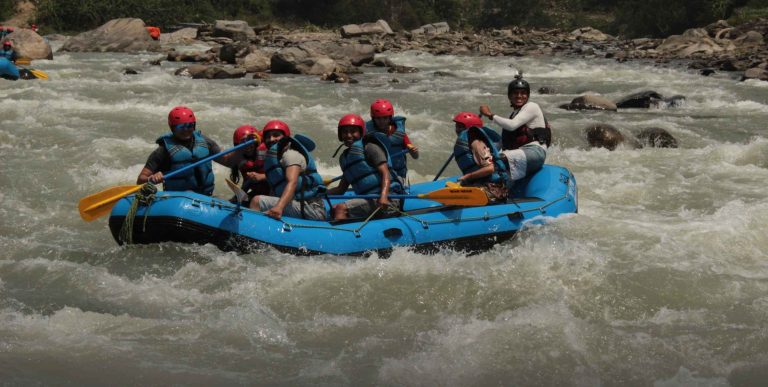
That being said, autumn (late September to November) is the best overall season for rafting in Nepal, offering clear skies, stable weather, and exciting yet manageable rapids. Spring (March to May) is ideal for beginners and families, while winter (December to February) is best for short day trips on lower-volume rivers. Monsoon (June to September) is generally recommended only for experienced rafters on selected rivers because of higher water levels and stronger currents.
Why Timing Changes Your Rafting Experience
Every river of Nepal is controlled by two major natural forces: Himalayan snowmelt in spring and monsoon rainfall in summer. In spring, rising temperatures gradually melt high-altitude snow, causing rivers to swell steadily. Water levels increase, but usually in a predictable way. In the monsoon, heavy rainfall can raise river levels very quickly. Rapids become more powerful, water turns silty brown, and some access roads may be damaged by landslides or flooding.
By autumn, the rains have ended. Rivers remain high from the recent monsoon, but the sediment begins to settle, creating clearer water, stable flows, and excellent visibility. This combination of power and predictability is what makes autumn so highly regarded. After that, river levels drop in winter, and the water becomes much colder. The scenery is beautiful, and the rivers are quieter. You'll need wetsuits to avoid extreme cold.

One thing many first-time visitors underestimate is water temperature. Spring and early autumn are often comfortable with a rash guard and splash jacket, while late autumn and winter can feel surprisingly cold, especially after an unexpected swim.
Spring (March-May): The Most Balanced Season
For many travelers, spring is the best and easiest season to enjoy a rafting trip. The rivers gain volume gradually from snowmelt, creating exciting rapids without the overwhelming force that can arrive later in the year. Days are warm, nights are comfortable, and the hillsides burst into color as rhododendrons bloom across central Nepal. Here are the reasons why spring is ideal:
- Moderate, predictable river flows
- Warmer air and water temperatures
- Beautiful forest scenery
- Excellent conditions for first-time rafters
- Good season for families and mixed-ability groups
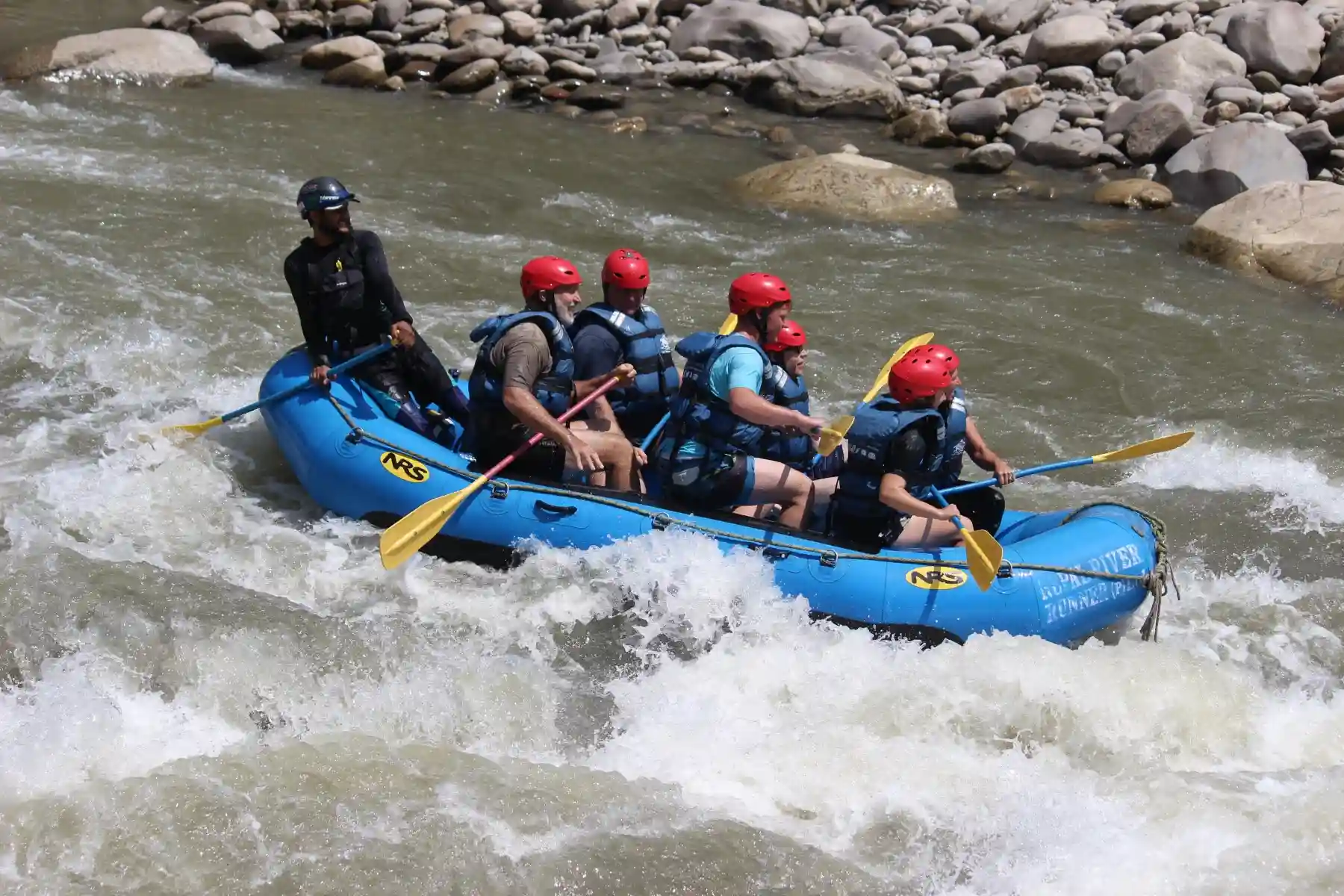
The Trishuli River is especially popular during spring because it offers fun Class II–III+ rapids and is easily accessible from both Kathmandu and Pokhara. Spring is also when the Karnali and Tamur expeditions begin operating again after the coldest winter months.
Autumn (Late September-November): The Classic Rafting Season
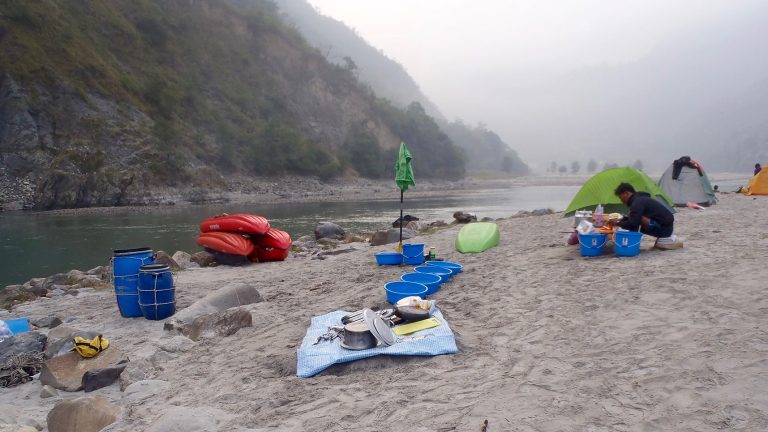
If you ask river guides to pick one season, most will choose autumn. The monsoon has just ended, leaving rivers running high, powerful, and surprisingly stable. The skies are often crystal clear, mountain views are at their best, and road access is generally reliable again. Reasons why autumn stands out:
- Strong but manageable rapids
- Clear water and excellent visibility
- Stable weather patterns
- Comfortable daytime temperatures
- Best conditions for photography and camping
This is the peak season for multi-day rafting expeditions, especially on the Karnali and Bheri rivers.
Best Rivers for Each Rafting Season
Different rivers perform best at different times of the year as water levels, rapid intensity, and weather conditions change. Here's a quick breakdown to help you choose the right river based on when you plan to visit Nepal.
| Season | Recommended Rivers | Why They're Best |
|---|---|---|
| Spring (March–May) | Trishuli, Lower Bhotekoshi, Seti Karnali (Fishing Expedition) | Technical & Clear Water. Snowmelt from Himalayan glaciers feeds crisp, moderate water levels. Ideal for technical line maneuvers, families, and catch-and-release Golden Mahseer fishing. |
| Autumn (Late September–November) | Sun Koshi (270 km), Karnali (180 km), Tamur, Lower Bhotekoshi | Peak Expedition Season. High, stable post-monsoon water volumes create massive, bouncy wave trains (Class IV/IV+), clear blue skies, and ideal sandy beach camping. |
| Winter (December–February) | Trishuli, Lower Bhotekoshi (1-Day Express) | Low Water & Clear Visibility. Reduced water volume makes rivers technical and slow. Perfect for short 1-day day trips from Kathmandu; requires wetsuits due to cold water. |
| Monsoon (June–September) | Lower Bhotekoshi (Monsoon High Water), Trishuli | High-Volume Express Runs. Wilderness expeditions are closed. Operations focus on specialized day runs subject to daily water gauge checks and safety kayakers. |
Choosing the Right River for Your Experience Level
| Experience Level | Recommended Rivers | Best Season |
|---|---|---|
| Beginners & Families | Lower Bhotekoshi, Trishuli | Spring and autumn |
| Comfortable First-Timers & Anglers | Trishuli / Seti Karnali (Angling), Babai | Spring |
| Experienced Rafters | Balephi, Tamur | Spring and autumn |
| Experienced + Wilderness Seekers | Sunkoshi, Tamur, Karnali | Autumn |
Tip: If you're flexible with your travel dates, choose the season first, then pick a river that matches both the conditions and your experience level. This approach will give you a safer and more enjoyable rafting experience.
How River Grades Change By Season
The same river can feel completely different depending on when you run it.
| River | Spring | Autumn | Monsoon | Winter |
|---|---|---|---|---|
| Trishuli | II+ / III | III / III+ | III+ / IV (High Volume) | II+ / III |
| Lower Bhote Koshi | III / III+ | III+ (Gorge & Bhaise Waves) | III+ / IV (NRR High-Water) | III |
| Sun Koshi (8–10 Days) | III+ / IV | IV / IV+ | Closed (Flood Risks) | III / III+ |
| Tamur (11–12 Days) | IV | IV+ / V (Continuous Whitewater) | Closed | IV |
| Karnali (9–10 Days) | III+ / IV | IV / IV+ | Closed (Landslides/Floods) | III+ (Low Water) |
Notice the pattern in how the monsoon increases the grade by increasing the water volume? During these times, commercial trips are suspended because conditions on some rivers, especially the Tamur, Sunkoshi and Karnali, become unsafe.
How Seasons Affect Rafting Safety
River conditions don't just determine how exciting a rafting trip will be; they also influence overall safety. Water levels, currents, visibility, and weather vary throughout the year, so understanding seasonal conditions can help you choose the right time to raft based on your experience and comfort level.
Spring and Autumn (March-May & Late September-November)
Spring and autumn are widely considered the safest and most reliable rafting seasons in Nepal. River flows are generally stable, water temperatures are more comfortable, and weather conditions are predictable, making these seasons ideal for both beginners and experienced rafters.
Regardless of when you visit, always pay close attention to your guide's safety briefing before launching. River conditions can change quickly due to upstream rainfall, snowmelt, or sudden weather changes, even outside the monsoon season.
Monsoon (June-September)
The monsoon brings Nepal's highest river levels, creating faster currents and more powerful rapids. While some rivers remain raftable, conditions become less predictable and are generally better suited to experienced rafters.
- Stronger, faster, and more challenging rapids
- Submerged rocks become harder to identify
- Silty water reduces underwater visibility
- Landslides and flooding can disrupt road access to rafting put-in points
Winter (December-February)
Winter offers calm river conditions but introduces colder air and water temperatures. Proper equipment becomes essential, especially on longer trips.
- Cold-water immersion poses a greater risk of hypothermia
- Wetsuits and thermal layers are strongly recommended
- Rescue times are kept short to reduce cold exposure
- Multi-day camping is less comfortable due to cold nights
Best Time for Day Trips vs. Multi-Day Rafting
The ideal trip length depends on both the season and the river conditions. While some rivers are perfect for short rafting adventures year-round, others are best experienced during Nepal's stable rafting seasons, when weather, water levels, and camping conditions are more predictable.
- Day Trips (Best in Winter and Spring): Winter and spring are ideal for one-day rafting trips on rivers like Bhotekoshi and Trishuli. Lower water levels, stable weather, and convenient access from Kathmandu make these rivers perfect for travelers with limited time.
- Multi-Day Expeditions (Best in Spring and Autumn): If you're planning a longer rafting adventure, spring and autumn offer the best conditions for multi-day expeditions on the Sunkoshi, Karnali and Tamur rivers. Stable river flows, comfortable camping weather, and reliable road access create the ideal environment for wilderness rafting.
- Monsoon Trips (Limited Options): Peak monsoon. Remote wilderness expeditions (Sun Koshi, Karnali, Tamur) are suspended. Specialized NRR High-Water Day Runs operate on the Lower Bhotekoshi and Trishuli, dictated by real-time gauge inspections.
If you only have one free day, the Lower Bhotekoshi and Trishuli River are usually the best choice. If you have a week or more, consider a Sunkoshi, Multi river—Balephi, Bhotekoshi, Sunkoshi, Tamur or Tamur—Trek-cum-Raft expedition during spring or autumn for Nepal's most rewarding rafting experience.
Month-by-Month Guide to Rafting in Nepal
If you're wondering about the best time for rafting in Nepal, this month-by-month guide makes it easy to compare river conditions throughout the year. While October and November offer the most reliable rafting conditions overall, each month has its own advantages depending on your preferred river, experience level, and trip style.
| Month | River Conditions | Best For |
|---|---|---|
| January | Low water, cold, and clear | Short day trips on rivers like the Trishuli and the Bhote Koshi |
| February | Low water with slightly warmer temperatures | Cool-weather rafting and quieter rivers |
| March | Rising water levels and warmer weather | First-time rafters and the start of multi-day expeditions |
| April | Moderate to strong flows with pleasant temperatures | Families, beginners, and multi-day rafting trips |
| May | Peak spring flows with warm weather | All experience levels seeking exciting but manageable rapids |
| June | Monsoon begins, and river levels rise | Experienced rafters on selected rivers only |
| July | Peak monsoon with high, silty water | Very limited commercial rafting operations |
| August | Peak monsoon continues | Experienced rafters with flexible plans |
| September | Monsoon recedes, and rivers begin to clear | Early autumn rafting, mainly on the Lower Bhotekoshi and Trishuli |
| October | Strong, clear, and stable river conditions | Peak rafting season across most rivers |
| November | Excellent water levels and clear weather | Peak season for both day trips and wilderness expeditions |
| December | Cooling temperatures and lower water levels | Quieter rafting trips and shorter adventures |
Quick Tip: If your schedule is flexible, plan your trip for October or November for the best overall rafting conditions. March to May is an excellent alternative if you prefer warmer weather, fewer crowds, and slightly gentler rapids.
Best Time to Plan Your Nepal Rafting Holiday
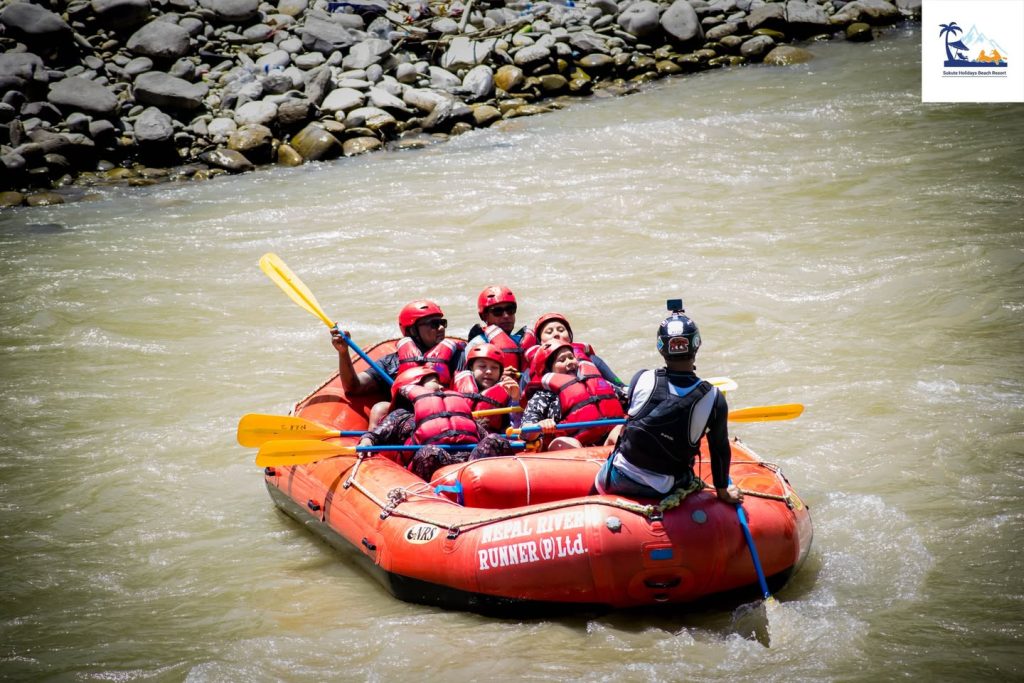
Once you've decided on the best time for rafting in Nepal, it's worth planning the rest of your trip around the season. Weather conditions, river accessibility, and the availability of rafting expeditions all vary throughout the year, so booking at the right time can help you make the most of your adventure.
If you're traveling from the USA, UK, Europe, or Australia, autumn (late September to November) and spring (March to May) are the easiest seasons to plan around. Both offer stable weather, reliable river conditions, and fewer travel disruptions than the monsoon months.
Planning Tips by Season
- Autumn (Late September–November): This is Nepal's busiest rafting season, especially for multi-day expeditions on the Sunkoshi, Tamur and Karnali rivers. Book your trip 6–8 weeks in advance, as rafting departures, domestic flights, and accommodation can fill up quickly.
- Winter (December–February): Ideal for shorter rafting trips on rivers like Trishuli and Lower Bhote Koshi. You'll encounter fewer tourists, but pack warm clothing and expect colder water temperatures.
- Monsoon (June–September): Travel plans may need extra flexibility due to heavy rainfall, landslides, and changing river conditions. Only selected rivers operate during this period, and trips are generally recommended for experienced rafters.
How Long Should You Plan For?
Your itinerary will also depend on the type of rafting experience you're looking for.
- 1-2 days: Perfect for express day trips on the Trishuli or Lower Bhotekoshi (Khadichaur to Sukute), easily combined with visits to Kathmandu, Pokhara, or Chitwan.
- 5-10 days: Best for wilderness expeditions on the Karnali, Sunkoshi, Tamur or Babai fishing-cum-rafting during spring and autumn, allowing time for remote camping and exploring eastern and western Nepal.
- 10-14 days: Ideal if you want to combine multi-day river expeditions with high-altitude trekking (e.g., Tamur Trek-cum-Raft or Langtang trek) for a complete Nepal traverse.
Planning your rafting holiday around the right season not only improves river conditions but also increases your chances of enjoying clear weather, smoother travel, and the best overall experience on Nepal's rivers.
Rafting Responsibly in Nepal
Nepal's rivers are more than adventure destinations. They are vital ecosystems that support local communities, wildlife, agriculture, and tourism. Choosing to raft responsibly helps protect these waterways while ensuring future generations can continue to enjoy them.
When booking your trip, consider choosing operators that follow Leave No Trace principles and employ local guides. Responsible rafting companies minimize environmental impact by packing out waste, using designated campsites, and respecting local communities and cultural sites along the river.
You can also help reduce your impact by:
- Carrying reusable water bottles instead of single-use plastics.
- Avoiding littering and leaving campsites cleaner than you found them.
- Respecting local customs and asking permission before photographing people.
- Supporting locally owned rafting companies and purchasing supplies from riverside communities whenever possible.
Several of Nepal's rivers, including the Karnali, Sunkoshi, also face growing pressure from hydropower development. Supporting sustainable tourism encourages the conservation of free-flowing rivers while providing valuable income for communities that depend on them.
By rafting responsibly, you're not only enjoying one of Nepal's greatest adventures but also helping preserve its rivers, wildlife, and local livelihoods for years to come.

Conclusion
The best time for rafting in Nepal ultimately depends on the type of experience you're looking for. If you want the most reliable combination of stable weather, clear skies, and exciting river conditions, autumn (late September to November) is the best overall season. Spring (March to May) offers a warmer, beginner-friendly alternative with moderate river flows, while winter is ideal for shorter day trips on accessible rivers. Although rafting is possible during the monsoon, higher water levels and unpredictable conditions make it suitable only for experienced rafters on selected routes.
By matching your travel dates with the right river and your experience level, you'll enjoy a safer, more rewarding white water adventure. Whether you're looking for a thrilling day trip on the Bhotekoshi or a multi-day wilderness expedition on the Sunkoshi, choosing the right season is the key to making the most of your rafting trip in Nepal.