Sun Koshi River Rafting

Starting Point

Starting Point Dolalghat or Sukute

Duration

Duration 10

Difficulty

Difficulty III to IV+

Activity

Activity White water rafting

Max. altitude

Max. altitude 1,206 m

Best Season

Best Season March-June, Sep-Dec

Distance

Distance 270KM

Group Size

Group Size Minimum 1, Maximum 26

Ending Point

Ending Point Chatara

What Makes the Sunkoshi River Rafting Unique?

  • Sunkoshi is Nepal’s longest river expedition and is considered one of the top 10 river expeditions in the world.
  • Sunkoshi gets its name as the “River of Gold,” given that small quantities of gold can be panned from the sand in this river.
  • Flow through high mountain gorges, dense jungle, lush valleys, and remote villages.
  • Battle through intense white water rapids, Class III to IV+, such as Meat Grinder, Punch, High Anxiety, Harkapur I & II (Legacy 5- Rapid), Dead Man Eddy, and more.
  • The river trip offers one of the most amazing riverside camping experiences.
  • Travelers can complete the entire trip in only 10 days by following the standard Sunkoshi River Rafting itinerary.

Overview of Sunkoshi River Rafting

The Sunkoshi River rafting trip is one of the most popular white water rafting adventures in Nepal and is often ranked among the world’s best river expeditions. The Sunkoshi River stretches for around 270 KM and is Nepal’s longest continuous rafting expedition. This journey is known for its long route, exciting rapids (III to IV+), and stunning scenery. For travelers looking for a multi-day rafting experience, Sunkoshi offers one of the finest river adventures in Asia.

Known as the “River of Gold,” the Sunkoshi begins near the Tibetan border in the Himalayas, flows through eastern Nepal, and joins the Ganges River in India. The river passes through mountains, forests, and open plains, offering a unique way to explore the country’s natural beauty. The river is famous for its powerful white water and provides a mix of thrilling rapids and calm sections. While some rapids are suitable for first-time rafters with experienced guides, others offer a challenge for seasoned adventurers. Water levels change throughout the year, so the size and intensity of certain rapids can vary by season.

Some of the most popular rapids along the route include Harkapur II (Class IV), Dead Man Eddy (Class IV+), Rhino Rock (Class IV), Meat Grinder (Class IV-), Punch (Class IV-), Judy (Class III), Pre-Anxiety (Class III), and High Anxiety (Class IV-). These rapids make the Sunkoshi a favorite destination for rafters looking for an extended river journey.

One of the highlights of the Sunkoshi rafting trip is the constantly changing scenery. As you travel downstream, you will pass through dense forests, steep cliffs, green hills, and peaceful villages. Along the way, you may see waterfalls, caves, temples, and terraced fields that reflect the beauty and culture of Nepal.

Another memorable part of the expedition is the riverside camping experience. Every evening, the rafting crew sets up camp on white sandy beaches, where guests can relax and enjoy freshly prepared meals under the stars. These quiet campsites provide the perfect opportunity to disconnect from busy routines and enjoy the peaceful surroundings.

10 Days Sunkoshi River Rafting Itinerary

Day 1: Drive to Sukute and Raft to Dolalghat and Pachuwarghat (~600 m)

After an early breakfast at your hotel, we will leave Kathmandu and drive east along the Araniko Highway to Sukute, passing through small towns and scenic valleys. Sukute is a popular starting point for rafting trips in Nepal. At Sukute, you will meet your rafting guides and support crew and prepare for the journey ahead. Before getting on the river, our guides will provide a safety briefing and introduce you to the basics of rafting. You will learn about the route, river conditions, paddling techniques, and safety procedures. The team will also help you get fitted with the necessary rafting equipment. After that, you get ready for rafting.

Then we will begin rafting from Sukute and paddle about 10 KM down to the massive Indrawati confluence at Dolalghat. Dolalghat is where the Indrawati River joins the lower Bhotekoshi, which then continues as the Sunkoshi River. The Sunkoshi officially begins upstream near Bahrabise, where the glacier-fed Bhote Koshi meets the upper Sunkoshi before flowing past Sukute.

From Dolalghat, we will continue rafting for another 13 KM through a wide and scenic valley toward Pachuwarghat. This section of the river is mostly gentle, with a few fun Class II and III rapids depending on the season and water level. It is a great opportunity to get comfortable with the raft and work together as a team before arriving at our first wilderness beach camp. Today’s section also gives you a chance to practice and warm up for the bigger rapids that are yet to come.

River Distance:

Approx. 23 KM (10 KM Sukute to Dolalghat + 13 KM Dolalghat to Pachuwarghat)

Water Duration:

3.5 to 4.5 Hours

Camp:

Pachuwarghat Beach Tented Camp

Day 2: Rafting from Pachuwarghat to Chainpur (~500 m)

On day 2 of the Sunkoshi River rafting expedition, after breakfast at the riverside camp, you will raft from Pachuwarghat to Chainpur, covering a 35 KM stretch. The day includes exciting Class II and light Class III wave rapids. As you paddle along the Sunkoshi, take time to enjoy the surrounding countryside, green hills, terraced fields, and small settlements. When we reach the Hindu holy temple, Kusheswor, the BP Highway runs parallel to our rafting route.

As we continue rafting down the river, we will pass Majhee Gau (Fisher’s Village), a traditional fishing village whose residents have depended on the river for generations. Since this is one of the longer rafting days, covering around 35 KM, the group will need to paddle steadily through several calm sections between the rapids.

By evening, you will arrive at Chainpur. Here, our crew will set up camp beside the Sunkoshi River. After a day on the water, unwind at the campsite while the team prepares a freshly cooked meal. After dinner, you will have some free time to relax, share stories, or enjoy group activities before spending the night at the riverside camp.

River Distance:

Approx. 35 KM

Water Duration:

5 - 6 Hours

Camp:

Chainpur Beach Tented Camp

Day 3: Rafting from Chainpur to Jhagare (~400 m)

After having breakfast and packing lunch to enjoy along the route, we will continue rafting downstream toward Jhagare. Since this is a long day on the river, covering around 45 KM, the group will need to paddle steadily throughout the journey. Shortly after setting off, the glacier-fed Tama Koshi River joins the Sunkoshi, significantly increasing the river’s volume and making the current faster. As the day progresses, we will encounter several famous rapids, including Meat Grinder, Punch, and Judy, making this one of the more exciting sections of the expedition.

Further downstream, we will pass the confluence of the Likhu Koshi River before continuing toward Jhagare. Our campsite for the night is located on a quiet sandy beach just below the meeting point of the Likhu Koshi and Sunkoshi rivers. After arriving at camp, the crew will set up the tents and prepare a freshly cooked dinner. Spend the evening relaxing by the riverside, sharing stories from the day’s adventure, or simply enjoying the peaceful surroundings before another day on the Sunkoshi.

River Distance:

Approx. 45 KM

Water Duration:

5.5 - 6.5 Hours

Camp:

Jhagare Beach Tented Camp (Situated below the Likhu Koshi confluence)

Day 4: Rafting from Jhagare to Raighat (308 m)

Following the 10-day Sunkoshi River rafting itinerary, on day 4, we will continue rafting toward Raighat. Today’s journey covers approximately 37 KM, making it a day that will test our collective spirit and technical coordination. The primary challenge comes early as we navigate Harkapur II (Class IV-), a powerful rapid that requires precise teamwork from every paddler. As we move downstream, the scenery changes between forested hills, terraced fields, and small riverside villages, while the river alternates between wide sections and narrower channels.

Later in the day, we will reach the confluence of the Dudh Koshi River, which significantly increases the volume of the Sunkoshi once again. Depending on the season and water levels, our guides will carefully assess the conditions and choose the safest route through this section of the river.

The final stretch takes us to the beautiful sandbars of Raighat, where the crew will set up camp and prepare dinner. Spend the rest of the evening relaxing by the riverside, enjoying the peaceful atmosphere, and taking in the clear night sky before another exciting day on the expedition.

River Distance:

Approx. 37 KM

Water Duration:

5 - 6 Hours

Camp:

Raighat Beach Tented Camp

Day 5: Rafting from Raighat to Rasuwaghat (~250 m)

After breakfast, we will continue rafting on the Sunkoshi River toward Rasuwaghat. This is another action-packed day, featuring several exciting rapids and ever-changing river scenery. The adventure begins with Jaws Rapid (Class IV), followed by the well-known Dead Man Eddy.

The main highlight of the day is Rhino Rock (Class IV Legacy Rapid). Rhino Rock was historically named after a distinctive rock formation resembling a rhinoceros horn. However, the original rock feature was swept away following major flood events and changing river conditions in 2025. Although its appearance is different today, it remains one of the most exciting sections of the river, with strong currents and technical passages that vary depending on the seasonal water levels. The route through this rapid is determined by the water level and your guide’s assessment.

As we paddle downstream, the scenery gradually changes from forested hills and riverbanks to remote riverside settlements. Today’s route involves a long, steady paddle with several challenging rapids along the way. As we get closer to Rasuwaghat, the river becomes calmer, allowing for a more relaxed finish to the day. We will set up camp beside the Sunkoshi River at Rasuwaghat, where you can enjoy a warm meal and spend a peaceful evening in one of the quieter parts of the Sunkoshi Valley before the next day’s adventure.

River Distance:

38 KM

Water Duration:

5 - 6 Hours

Camp:

Rasuwaghat Beach Tented Camp

Day 6: Rafting from Rasuwaghat to Waterfall

On day 6, we will continue rafting through one of the most scenic sections of the Sunkoshi. Today’s journey covers approximately 25 KM and enters an area known as the “Jungle Corridor.” Here, the Sunkoshi narrows and flows through a deep canyon surrounded by lush tropical vegetation. The day includes a series of continuous rapids mixed with short, calm sections, requiring steady paddling and teamwork throughout the journey.

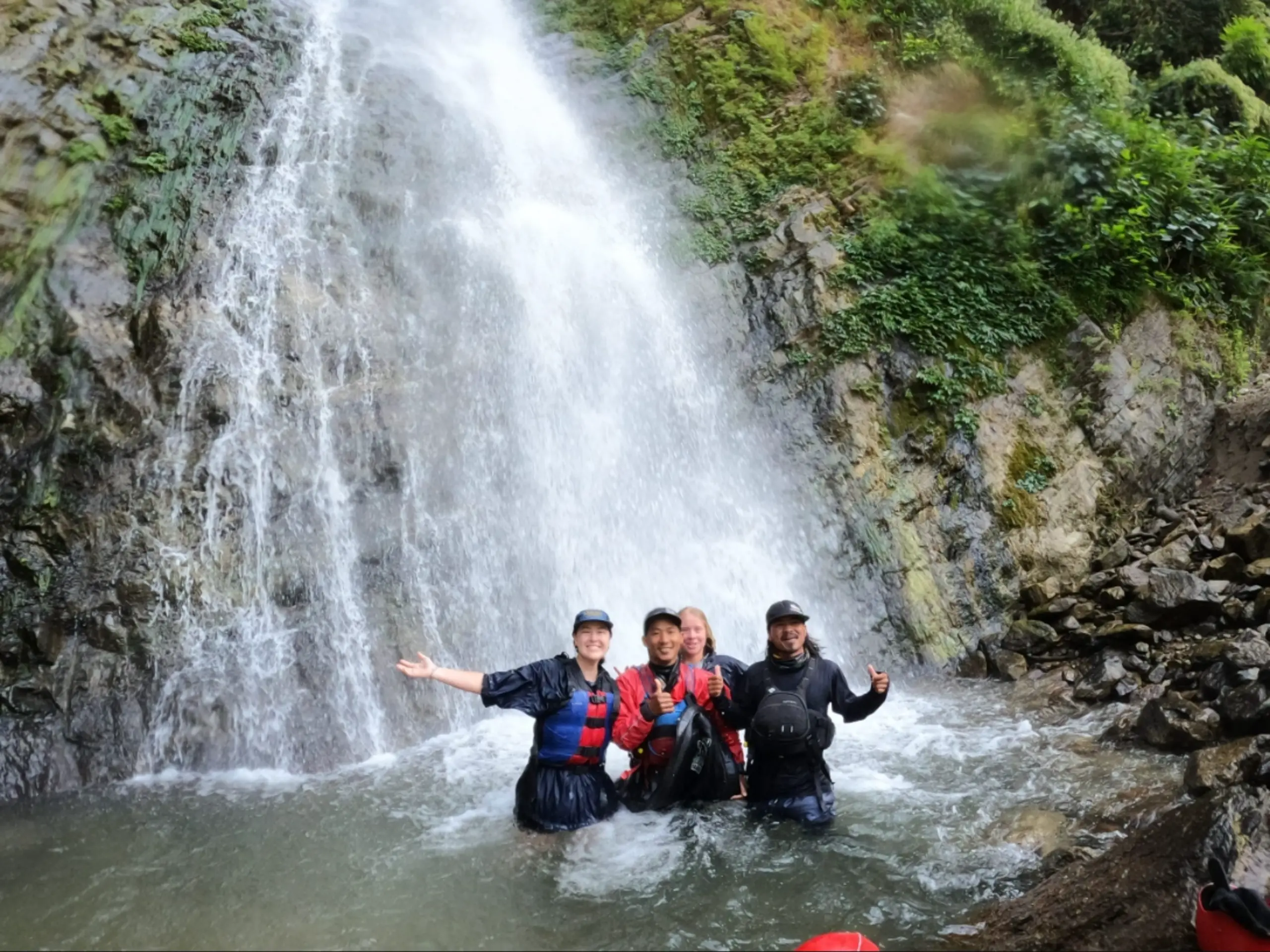
Along the way, we will pass several beautiful waterfalls cascading down the valley walls, adding to the wilderness experience. As the river gradually becomes calmer, we will make our way to a sandy beach beside a cascading waterfall, where we will set up camp for the night. While the crew prepares dinner, you can relax by the river, listen to the sound of the waterfall, and enjoy a peaceful evening in the heart of the jungle.

River Distance:

Approx. 25 KM

Water Duration:

5 - 6 Hours

Camp:

Waterfall Beach Tented Camp

Day 7: Waterfall to Tribeni (~120 m)

After leaving Waterfall Camp, you will continue rafting toward Tribeni, where three major rivers of eastern Nepal, the Sunkoshi, Arun, and Tamor, meet. The name “Tribeni” means “confluence of three rivers” in Nepali. Compared to previous days, the river is calmer, allowing everyone to relax and enjoy the changing landscape of sandy riverbanks and open valleys. Even so, the day still includes two major whitewater features: the surging waves of Big Dipper (Class IV) immediately followed by the turbulent currents of Black Hole (Class III).

Soon after these rapids, the landscape transforms as the massive Arun and Tamur rivers charge in from opposite banks to mix with the Sunkoshi at Tribeni. By this point, the Sunkoshi has been joined by seven major tributaries and is known as the Sapta Koshi (meaning ‘seven rivers’ in Nepali).

The increased water volume creates a broad and fast-flowing river as we make our way to the final riverside camp. Upon arrival, the crew will set up camp and prepare a special dinner. Spend your last evening by the river reflecting on the journey and enjoying the peaceful atmosphere of this historic confluence.

River Distance:

Approx. 38 KM

Water Duration:

5 - 6 Hours

Camp:

Tribeni Confluence Tented Camp

Day 8: Tribeni to Chatara (105 m) and Return to Kathmandu

After breakfast, we will begin the final stretch of rafting from Tribeni to Chatara. We will first visit the famous Baraha temple, a religious site in eastern Nepal. We will spend some time sightseeing, then paddle to Chatara. It is our final put-in point. We will have our lunch at a local restaurant.

From Chatara, we will take a private bus to Kathmandu, which will be a 9 to 10-hour drive. The drive takes you past rural valleys, towns, and terraced farms. As you approach the capital, the scenery gradually changes from remote river landscapes to the busy streets of Kathmandu. We will have dinner at a Nepali restaurant.

Alternative option: You can drive from Chatara to Biratnagar and then fly to Kathmandu. It is more convenient, faster, and comfortable. However, you will have to pay an additional cost for the flight ticket and on-road transfer to the airport. If you prefer this option, please let us know at the time of booking so that transportation and flight arrangements can be made in advance.

River Distance:

Approx. 7.6 KM (7,632 m)

Water Duration:

1 - 1.5 Hours

Take-Out:

Chatara Ghat

Day 9: Kathmandu Leisure & Farewell Dinner

After days spent on the river, today is yours to spend leisure time in Kathmandu. After breakfast at your hotel, you can freely explore around the city and shop for souvenirs to take back home. In the evening, we will host a farewell dinner at a traditional Nepali restaurant. You will feast on traditional Nepalese cuisine.

During the dinner, you can reflect on the adventure and the memorable time you had during the expedition. You can also provide us with your feedback. After the dinner, you can head back to your hotel or enjoy Kathmandu’s nightlife.

Day 10: Departure

Our Sunkoshi adventure comes to an end today. A representative from our team will transfer you to Tribhuvan International Airport 2 to 3 hours before your scheduled flight. We hope you enjoyed your time with us.

If you would like to spend more time in Nepal, we would be happy to help arrange additional activities, including other rafting trips, multi-day expeditions, trekking adventures, and family holiday packages.

Note:

The topography of the Sunkoshi River is constantly changing due to seasonal floods, landslides, and shifting river conditions. In recent years, several well-known rapids have changed in size and appearance, while new rock gardens and drops have been created by major debris flows.

As a result, every Sunkoshi expedition is unique. Our experienced rafting and swiftwater rescue guides assess river conditions daily and make decisions based on safety and current water levels to ensure the best possible experience for all participants.

What to Bring

  • Shorts / ½ pant
  • Sport Sandals
  • Shirts that will dry quickly
  • Swim suit
  • Warm layers (fleece, trousers)
  • Towel
  • Toiletries
  • Sunscreen
  • Sunglasses
  • Camera and batteries/chargers
  • Water Bottles
  • Flashlight
  • A little cash

What’s Included

  • Expert Team: Professional English-speaking guides with certifications in Swift Water Rescue and Wilderness First Aid.
  • Top-Tier Equipment: High-quality rafting/kayaking gear, including helmets, PFDs, paddles, dry bags, and safety kayaks.
  • Professionally trained and certified safety rafters.
  • Premium Camping Setup: Comfortable two-person tents, toilet tents, and kitchen facilities.
  • Drinking Water: Treated stream water throughout the trip.
  • Logistics & Transportation: Two-way transportation by local deluxe bus (private bus arranged depending on group size). Optional domestic flight from Biratnagar to Kathmandu and airport transfer are available at an additional cost.
  • Photography & Memories: Team photos and videos to relive your adventure.
  • Insurance: Crew insurance (participants must have their own travel insurance).
  • All applicable government taxes, including VAT.
  • Industry-standard first aid kits.
  • Included meals.

What’s Not Included

  • Visa, flight cost, and other taxes.
  • Personal items like toiletries, clothing, a camera, etc.
  • Alcoholic beverages and packaged snacks.
  • Insurance: Participants will be required to be suitably insured through an emergency medical travel plan (you’ll be required to provide a copy of your insurance policy).

Map for Sunkoshi River Rafting

Close
Find Nearby Share Location Get Directions

How Difficult is Sunkoshi Rafting?

Sunkoshi rafting is considered a moderately challenging to difficult river expedition. It covers 270 KM and is suitable for travelers who enjoy adventure and are comfortable spending several days on the river.

The Sunkoshi features a mix of Class III, IV, and occasional Class IV+ rapids. You will be passing different rapids like Meat Grinder (Class IV-), Punch (Class IV-), Judy (Class III), Dead Man Eddy (IV+), Rhino Rock (IV), Harkapur II (Class IV), Pre-anxiety (Class III), and High-anxiety (Class IV-).

Although the river is known for its exciting whitewater, the expedition is not limited to experienced rafters. Many first-time participants successfully complete the trip each year under the guidance of trained rafting professionals. However, a reasonable level of fitness, a willingness to paddle, and comfort with outdoor camping are important.

Furthermore, the rafting location can be considered rather remote, especially compared to the more tame destination like the Lower Bhotekoshi River. Plus, since access to roads and services is limited in many sections, participants should be prepared for several days in a wilderness environment.

Safety is always the top priority during the expedition. All trips are led by licensed and experienced rafting guides who provide safety briefings, equipment, and support throughout the journey. Participants are advised to follow their guide’s instructions at all times and avoid entering the river without supervision.

Safety Tips and Precautions for Sunkoshi Rafting

  • Wear proper fittings: You must ensure that all the gear you’re wearing is properly fitted. Sunkoshi rafters should determine whether the safety of the equipment and gear used is guaranteed.
  • Always use personal flotation devices and life jackets: Though mandatory, this is a reminder of how important a PFD or personal flotation device and a life jacket can be when you’re rafting. You need to stay aware and cautious about dangers or unexpected events in the water, and these gears help you with just that!
  • Don’t forget your helmet: Protecting your head during just about any adventure is a requisite. And there is no exception regarding Sunkoshi rafting safety, either!
  • Know how to use the paddle properly: You must know how to best hold the paddle. Using it in a way that’s not appropriate may cause accidents.
  • Properly position yourself in the raft: You need to position yourself properly when you’re rafting. Staying cautious throughout your journey will do the work for you. Be sure not to be too close to the edge of the raft or sit in a compromising manner.
  • Always follow your guide: Rafters must follow everything their guides say. If they don’t, they may face severe repercussions.

Best Time For Sunkoshi Rafting Expedition

The best time to experience the Sunkoshi River is during the spring (March to May) and autumn (September to November).

  • Autumn (September to November): This is the most popular time for Sunkoshi rafting. Following the monsoon season, the river carries a higher volume of water, creating bigger waves and more powerful rapids. During this period, rapids are generally graded between Class IV and IV+. It’s an excellent choice for those seeking a big water rafting experience. Water levels typically range from 800 to 1,200 cumecs.
  • Spring (March to May): Spring offers slightly lower water levels, usually between 350 and 650 cumecs. Rapids are commonly graded between Class III+ and IV, providing a more technical rafting experience with easier visibility of river features. The weather is warm, and the surrounding hills are especially beautiful during this time of year.
  • Monsoon (June to August): The monsoon season brings significantly higher water levels, ranging from 1,800 to more than 3,500 cumecs. Rapids can reach Class IV+ to V, and river conditions may change rapidly due to heavy rainfall in eastern Nepal. Because of the increased difficulty and unpredictable water levels, rafting during this period is recommended only for high-water expeditions led by highly experienced guides.
Season Rapid Grade Approx. Water Volume Operational Status
September – November Class IV to IV+ 800 – 1,200 cumecs Prime big water expedition season
March – May Class III+ to IV 350 – 650 cumecs Best for technical rafting
June – August Class IV+ to V 1,800 – 3,500+ cumecs Suitable for high-water expeditions only

Operational Note: River conditions on the Sunkoshi can change quickly, especially during the monsoon. Heavy rainfall in eastern Nepal may cause sudden increases in water levels, particularly in downstream sections near Chatara. Our guides monitor river conditions regularly and adjust itineraries when necessary to ensure safety.

Sunkoshi Rafting Vs Other Iconic Multi-Day Rivers Rafting

Nepal is home to several world-class rafting destinations, each offering a unique experience. While the Sunkoshi is known for its long river journey and balanced mix of rapids and scenery, rivers like the Karnali and Tamur provide different types of adventures.

The comparison will include the two rafting destinations, the rapid types/classes, and the duration.

Feature Sunkoshi Expedition Karnali River Expedition Tamur River Expedition
River Character High-volume pool-drop, massive roller-coaster wave trains. Deep wilderness canyons, massive big-water drops, and pristine jungle isolation. Technical, relentless whitewater; a non-stop barrage of over 120 rapids.
Total Duration 8 to 10 Days 10 to 11 Days 13 Days (including a mandatory 4-day alpine trek)
Whitewater Grade Class III to IV+ Class III to IV Class IV to IV+ (Highly continuous and technical)
Primary Appeal Expansive sandy beach camping, continuous downriver progression, and classic pool-drop rhythms. True wilderness isolation, abundant wildlife viewing, and dramatic river geology. The ultimate multi-adventure combo: a stunning Himalayan trek followed by intense, non-stop Class IV+ whitewater.

Practical Tips For Sunkoshi Rafting Expedition

It’s more than essential to follow some practical tips for your 270 KM Sunkoshi rafting trip. It’s a multi-day expedition through remote areas, so it is helpful to separate the items you need during the day from those you will only use at camp. Here are the essential, factually grounded practical tips and packing guidelines for the Nepal River Runner Sunkoshi Expedition:

1. The Two-Bag Packing Strategy:

To stay organized throughout the trip, divide your belongings into two bags before you push off from the put-in point.

  • Camp Bag (Large Dry Bag): Our team provides this waterproof bag to store clothes, sleeping items, and other belongings you will need at camp. It remains on the gear raft during the day and is opened once the campsite is set up.
  • Day Bag (Small Dry Bag): Bring a small waterproof bag (5-10 liters) for items you need while rafting, such as sunscreen, lip balm, medications, a camera, and a water bottle.

2. Packing Checklist on the River

Choose lightweight, quick-drying clothing for rafting. Avoid cotton, as it absorbs water and takes a long time to dry.

Recommended items:

  • 2 pairs of quick-dry shorts or swimwear.
  • 2 lightweight t-shirts or long-sleeve shirts.
  • River sandals (e.g., Tevas, Chacos, Keens) with straps or old sports shoes.
  • Polarized sunglasses with a floating retaining strap.
  • Baseball cap or sun hat.
  • Waterproof sunscreen (SPF 50+).
  • Reusable metal or hard plastic water bottle (1-2 liters).

Avoid:

  • Flip-flops while rafting.
  • Heavy clothing.
  • Cotton garments for river use.

3. Packing Checklist for the Camp

Once we hit the sand beaches for the evening, you will want to change into completely dry, comfortable clothing. Also, evenings by the river can be cool, especially during spring and autumn. So, pack comfortable clothing for relaxing at camp.

Recommended items:

  • Fleece or lightweight jacket, along with thermal base layers.
  • 2 pairs of lightweight trekking pants or sweatpants.
  • Cotton t-shirts and extra socks.
  • A dry pair of sneakers, lightweight hiking shoes, or comfortable flip-flops to wear around the tents and toilet facilities.
  • LED headlamp or flashlight with spare batteries to navigate the beach and tent lines after dark.
  • Quick-dry towel.
  • Toiletries and personal medications.
  • Biodegradable soap and wet wipes.
  • Moisturizing lotion to protect your skin from the constant wet-to-dry beach environment.

4. Helpful Tips for the Expedition

  • Carry lip balm, as sun and wind exposure can dry your lips quickly.
  • Carry cash: Keep a small amount of Nepali currency in a waterproof pouch in your camp bag for occasional purchases along the route. We occasionally pass small, riverside trading hubs where you can purchase cold sodas or local treats.
  • Drink plenty of water throughout the day to stay hydrated.
  • Bring a few snacks, such as energy bars, chocolates, and electrolyte drink packets, in your personal day bag for extra energy between meals.
  • Dress respectfully when visiting riverside villages and local communities. For women, keep a light sarong handy to wrap over river shorts when entering a village. This shows respect.
  • Keep valuable items, such as phones and cameras, in waterproof cases.

5. Follow Your Guide’s Instructions

The Sunkoshi is a remote river with changing conditions. Always listen to your guides during safety briefings and while navigating rapids. Their experience and knowledge of the river are essential to ensuring a safe and enjoyable trip.

Accommodation & Food During Sunkoshi Rafting

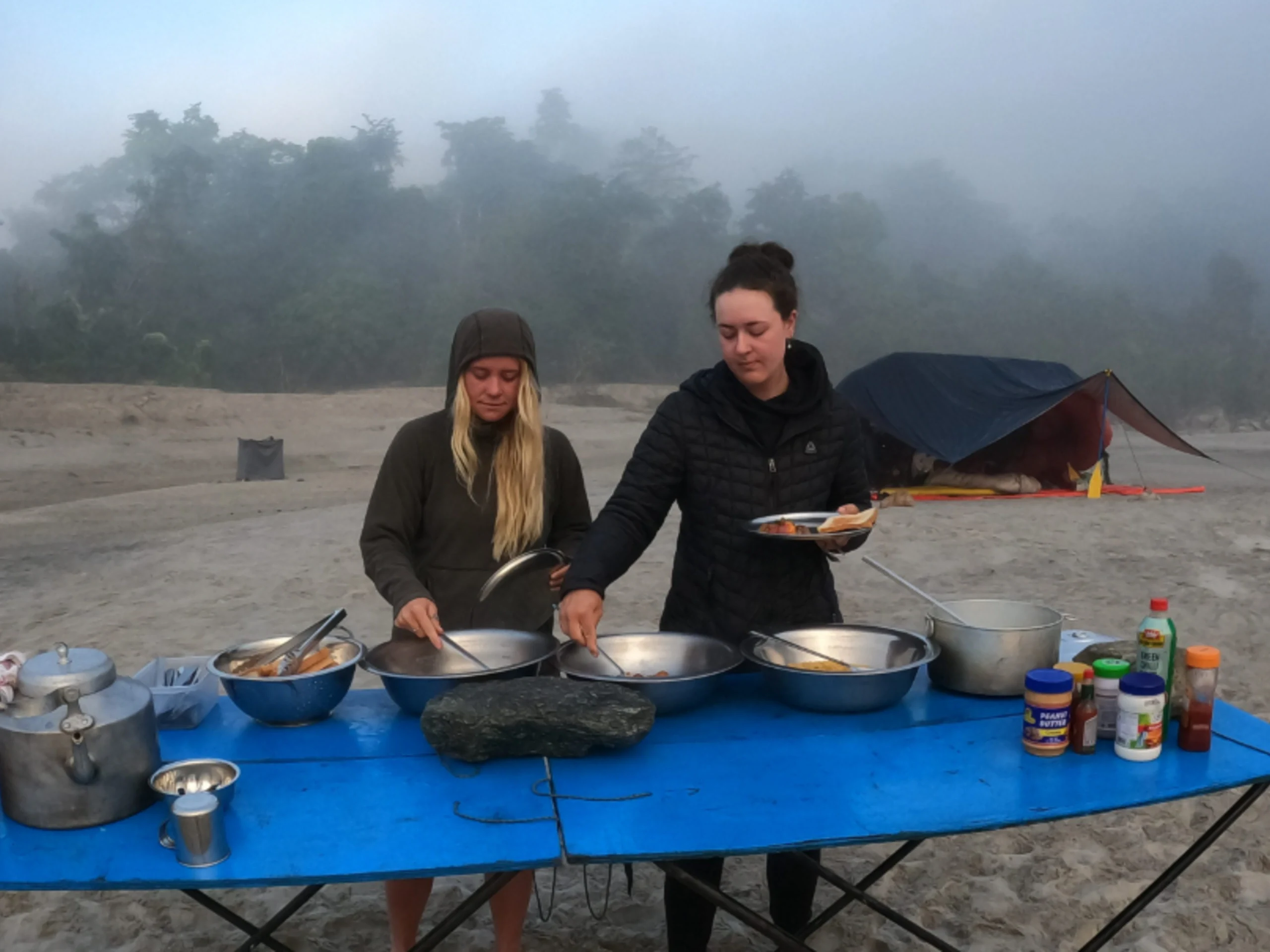
Accommodation throughout the Sunkoshi rafting expedition is provided in riverside camps. Each evening, our crew sets up tents on sandy beaches in a scenic location along the river. You will enjoy the peaceful surroundings and spend the night under the stars. Also, all camping equipment is provided, including tents and sleeping arrangements.

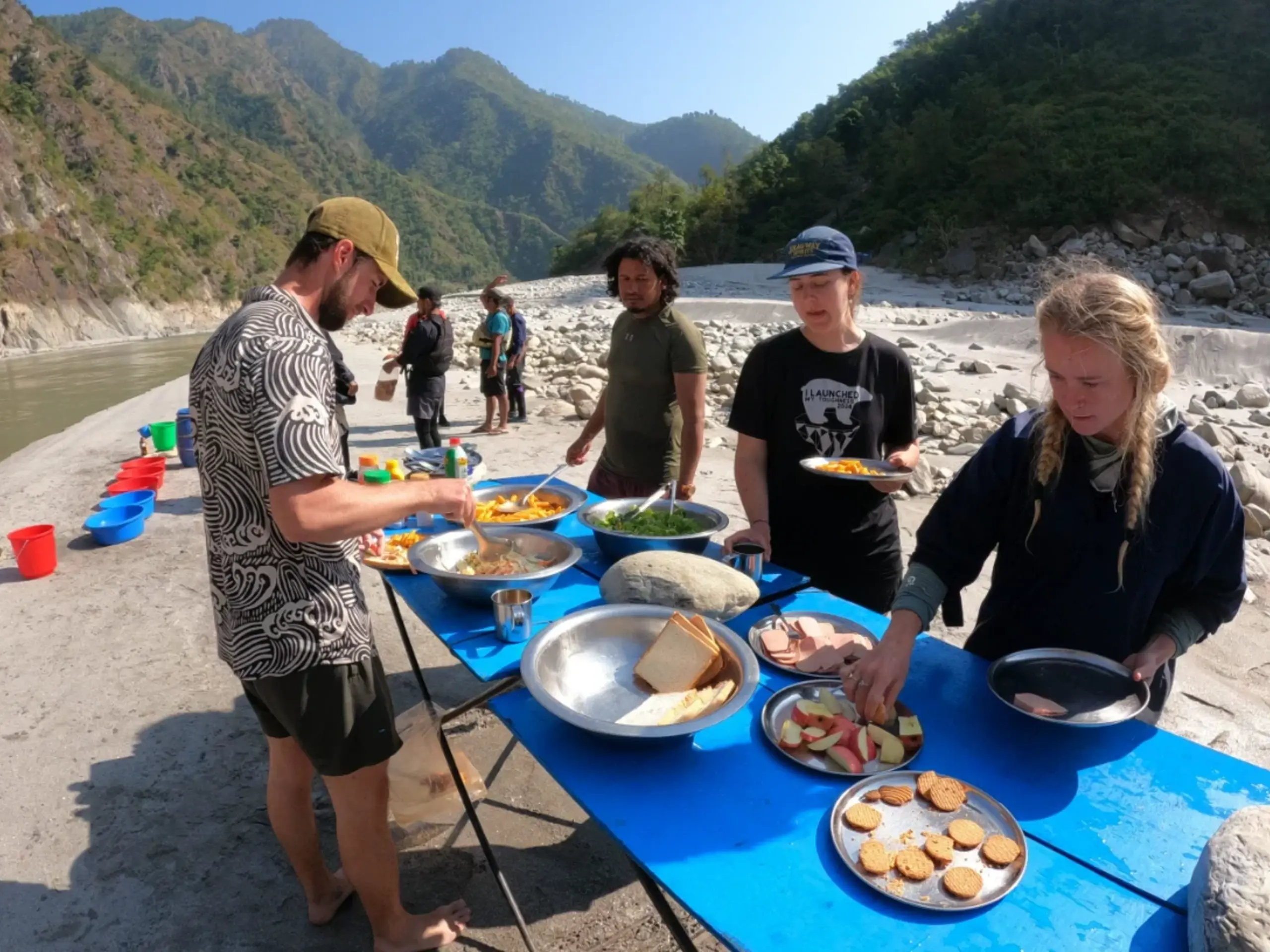
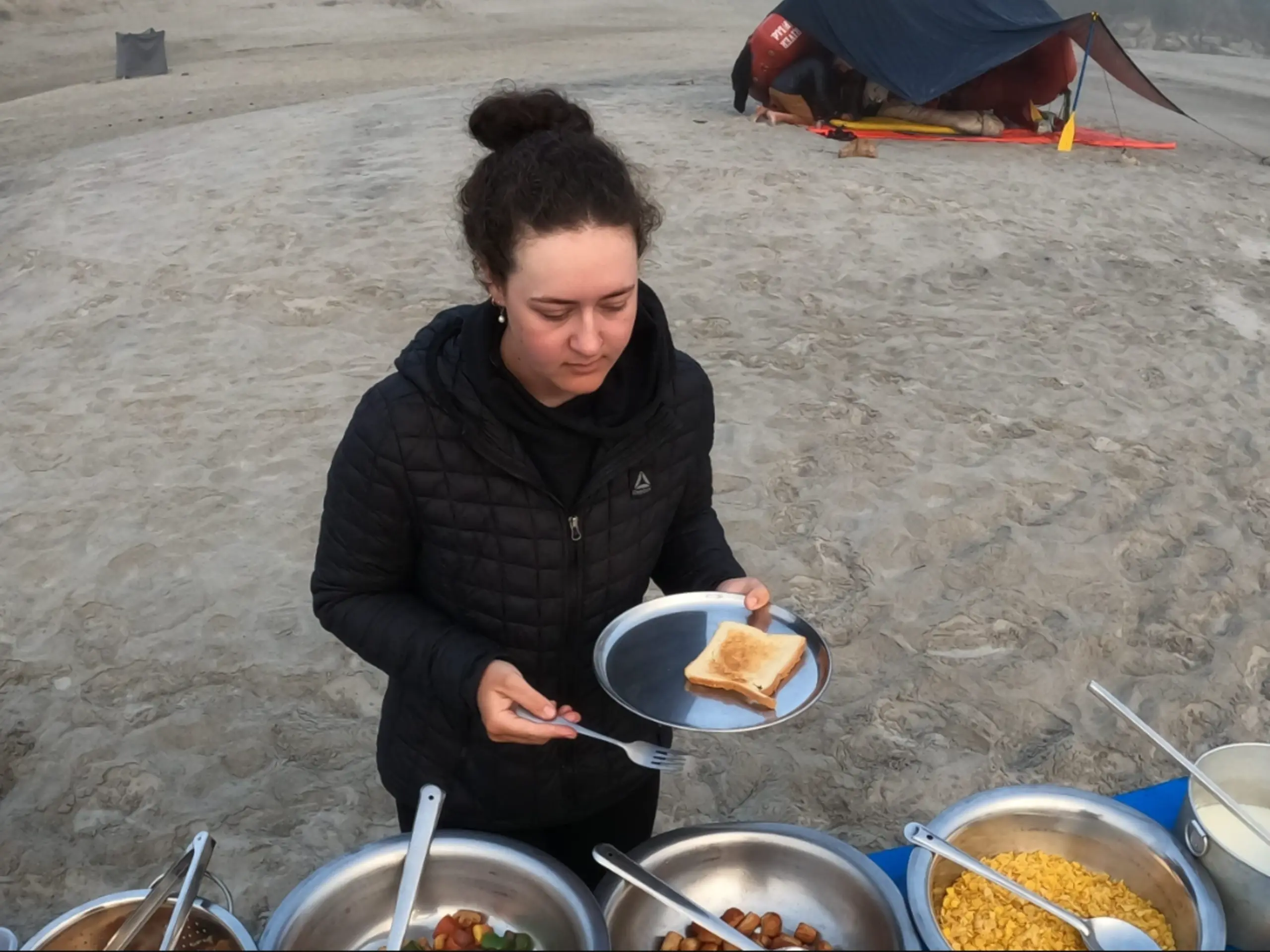
As for the food, all meals are included in our Sunkoshi rafting package during the expedition. Our experienced support crew prepares fresh buffet-style meals each day, and treated drinking water is available throughout the trip and is unlimited. We serve a variety of dishes to ensure participants have enough energy for long days on the river.

Typical meals include:

  • Breakfast: Tea, coffee, hot chocolate, muesli, cornflakes, yogurt, eggs, toast, hash browns, pancakes, and porridge.
  • Lunch: Bread, cheese, salami, tuna, baked beans, sardines, salads, fresh fruits, biscuits, and other light meal options.
  • Dinner: Pasta, curries, steamed or fried vegetables, French fries, and traditional Nepali dishes such as Dal Bhat on selected evenings.

Note: Please note that menu items may vary depending on the duration of the trip and the availability of supplies.

Dietary Note: If you are a vegetarian, vegan, have food allergies, or follow a special diet, please let us know at the time of booking. Since the expedition travels through remote areas with no opportunities to restock supplies, we need to pack every ingredient into our dry storage inventory before we leave Kathmandu.

Why Choose Us?

  • Over a Decade of Experience: We have been operating in the Sunkoshi for over ten years, guiding thousands of adventurers safely.
  • Certified & Licensed Guides: Our guides are Nepal Government-licensed, IRF-certified, and trained as Whitewater Rescue Technicians (WRT).
  • Unmatched Safety Standards: We provide top-tier safety gear and follow international whitewater safety protocols.
  • Premium Service & Support: From quality equipment to gourmet meals, we ensure a hassle-free and enriching rafting experience.

FAQs

Do I need prior whitewater rafting experience to join the Sunkoshi expedition?

Previous rafting experience is highly recommended due to the Class IV sections, but it is not strictly mandatory for physically fit individuals with strong swimming abilities. Physically fit participants can join the expedition under the guidance of experienced rafting professionals. However, complete beginners should start with shorter, gentler rivers like the Lower Bhotekoshi before taking on this multi-day adventure.

Is travel insurance mandatory for this river trip?

Yes, valid travel insurance is mandatory for all participants. Your policy should cover whitewater rafting activities up to Class IV+ rapids and include emergency medical treatment and evacuation. Please provide a copy of your insurance details before departing from Kathmandu.

What are the toilet facilities like during the river trip?

At every overnight campsite, our team sets up a private and enclosed toilet tent in an area away from the water source. We follow strict hygiene and environmental practices throughout the expedition. Thus, all waste is managed and safely buried in line with the international Leave No Trace strategy to help keep the campsites clean and preserve the natural beauty of the Sunkoshi River.

How do we get back to Kathmandu from the Chatara take-out point?

Our standard package includes private ground transportation (bus or jeep) from Chatara to Kathmandu, which takes 9–10 hours but can occasionally be longer due to ongoing flood reconstruction and riverbed diversions along the Roshi River corridor. Alternatively, you can drive to Biratnagar and from there take a domestic flight to Kathmandu. This alternative is an optional upgrade that incurs an extra cost to the package, and it must be requested and confirmed with our office staff at the time of booking.

What type of physical fitness and health preparation is required for the Sunkoshi?

Participants should have a good level of fitness and be comfortable paddling for 4 to 5 hours a day over 7 river days, navigating sustained Class III to IV+ big water wave trains. Swimming ability is also recommended, and you should be able to walk on uneven terrain around campsites.

Likewise, if you have any medical conditions with a history of chronic shoulder instability (such as recurrent dislocations), severe lower back issues, or cardiac conditions, you must consult a physician and notify our operations team before joining the expedition.

How do we charge cameras and phones during a multi-day wilderness river trip?

We set up our camp on an isolated sand beach for wilderness camping, completely detached from electricity. Therefore, charging facilities are not available during the expedition. We recommend bringing a waterproof power bank (20,000-30,000 mAh) or a portable solar charger to charge your phone, camera, and other devices. Also, make sure you can secure these and safely place them on top of the rafts to draw power while paddling during the day.

2455 PP BOOK NOW

Departure Dates

  • 14Sep 2026 Monday
  • 24Sep 2026 Thursday
  • 1Oct 2026 Thursday
  • 9Oct 2026 Friday
  • 20Oct 2026 Tuesday
  • 24Oct 2026 Saturday
  • 1Nov 2026 Sunday
  • 18Dec 2026 Friday

You can also choose any date that you want from our booking page.