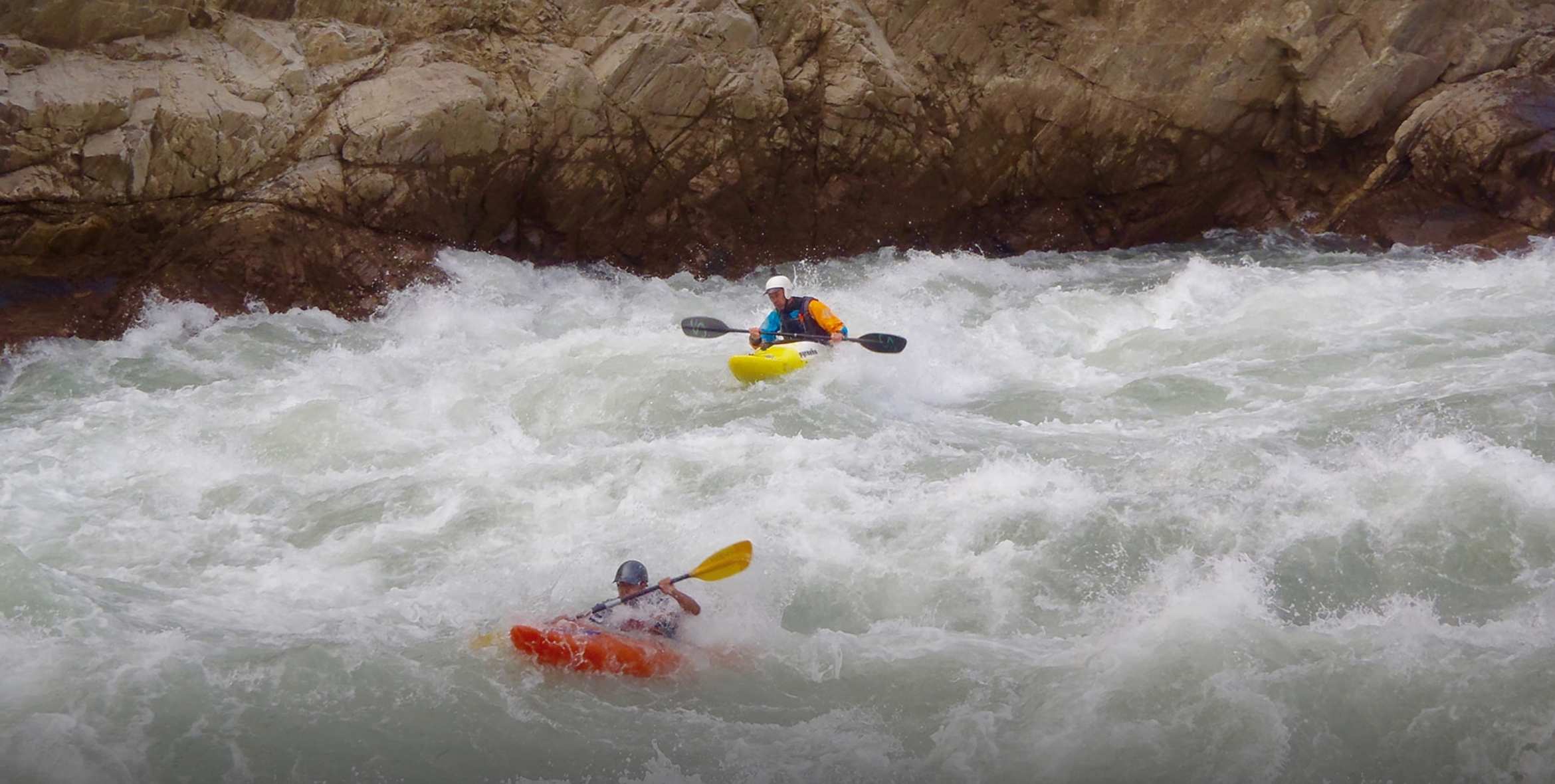
Sun Koshi River Kayaking Expedition in Nepal | Nepal River Runner

Sun Koshi River Kayaking Expedition

Starting Point

Starting Point Sukute, near Dolalghat

Duration

Duration 10

Difficulty

Difficulty Class III to IV+ (kayak-rated)

Activity

Activity Whitewater kayaking with safety kayakers and a support raft

Max. altitude

Max. altitude 1,206m

Best Season

Best Season March-June, Sep-Dec

Distance

Distance 270km

Group Size

Group Size Minimum 1, Maximum 12

Ending Point

Ending Point Chatara

Sun Koshi River Kayaking Overview

Sun Koshi River Kayaking is a multi-day whitewater expedition through eastern Nepal, following the river from near Sukute towards Chatara. Known as the “River of Gold,”em> the Sun Koshi offers a mix of technical rapids, long stretches of moving water, and riverside camping. As tributaries join the main river, its volume and character change, giving paddlers a varied descent through forested valleys, terraced hillsides, and remote riverside settlements.

Some sections let you settle into a steady paddling rhythm, while others demand careful line choices, good boat control, and quick decisions. The route includes rapids such as Meat Grinder, Harkapur II, and Rhino Rock, though conditions can change with water levels and seasonal floods. Safety kayakers accompany the group, while a support raft carries much of the camping gear, food, and supplies. Each day ends at a riverside camp, away from the road and close to the river.

The standard itinerary takes 10 days, including eight days on the river and time in Kathmandu. The advertised route covers approximately 270 km, with daily distances and water conditions varying along the way. This expedition is best suited to experienced kayakers with solid Class III boat control, a reliable roll in moving water, and the fitness to handle several consecutive days of paddling. Guides may adjust the itinerary when river conditions require it.

What Makes the Sun Koshi Kayaking Expedition Unique?

  • A multi-day descent along the Sun Koshi, with a changing mix of technical rapids and calmer stretches of moving water.
  • Well-known rapids such as Meat Grinder, Harkapur II, and Rhino Rock, depending on current river conditions.
  • Riverside camping on sandy beaches, with the support crew setting up tents and preparing meals each evening.
  • Views of forested hills, steep valley walls, terraced farmland, and small riverside settlements along sections that are difficult to reach by road.
  • Certified safety kayakers on the water and a support raft carrying camping gear, food, and other expedition supplies.
  • Changing river conditions shaped by seasonal floods and shifting rocks, with guides adjusting the route and approach when necessary.

10-Day Sun Koshi River Kayaking Expedition Itinerary

Day 1: Drive to Sukute and Paddle to Pachuwarghat

Leave Kathmandu early and drive east along the Araniko Highway to Sukute, where the expedition begins. Before launching, the guides will check your equipment, fit your kayak, and run through the safety procedures. An on-water skills check helps the team assess conditions and make sure everyone is ready to paddle.

The first section runs towards Dolalghat, where the Indrawati joins the lower Bhotekoshi River system, and the Sun Koshi route begins. Continue towards Pachuwarghat through a broad valley, with Class II to III rapids depending on the season and water level. This first day gives you time to settle into your kayak before the more demanding sections ahead.

River distance

Approximately 23 km

Water time

3.5 to 4.5 hours

Overnight

Pachuwarghat Beach

Day 2: Pachuwarghat to Chainpur

Today involves a longer paddle, with approximately 35 km of river to cover. Expect Class II and lighter Class III rapids, with calmer stretches between them. The day is less about one major rapid and more about maintaining a steady pace over several hours.

The route passes the Kusheswor temple area and Majhee Gau, a riverside settlement associated with fishing families. The landscape changes as you move downstream, with hills, cultivated land, and villages appearing along the banks. After reaching Chainpur, the crew sets up camp for the night.

River distance

Approximately 35 km

Water time

5 to 6 hours

Overnight

Chainpur Beach

Day 3: Chainpur to Jhagare

The river gains volume as the Tama Koshi joins the Sun Koshi. The current grows stronger, and the trip starts to feel more technical. Rapids such as Meat Grinder, Punch, and Judy are among the named features on this section. Their exact lines and difficulty depend on the water level, so follow the guides’ briefings before entering each rapid.

Further downstream, the Likhu Koshi joins the river system. The group continues to a beach camp near the confluence, where you’ll have time to rest, eat, and prepare for the more demanding sections ahead.

River distance

Approximately 45 km

Water time

5.5 to 6.5 hours

Overnight

Jhagare Beach

Day 4: Jhagare to Raighat

Harkapur II is one of the main rapids on today’s route. The rapid is known for its powerful water and the need for a controlled line. Your guides will assess the conditions and explain the approach before the group runs it.

The Dudh Koshi joins the Sun Koshi further downstream, adding more water to the river. Between rapids, you’ll pass forested slopes, terraced fields, and small settlements before reaching Raighat. Expect another full day on the water.

River distance

Approximately 37 km

Water time

5 to 6 hours

Overnight

Raighat Beach

Day 5: Raighat to Rasuwaghat

This is one of the more demanding days of the expedition. This stretch includes Jaws Rapid, Dead Man Eddy, and the well-known Rhino Rock section. These rapids require careful judgment, and the right line depends on water level and the riverbed.

Rhino Rock’s appearance reportedly changed during the 2025 flood events, when the distinctive rock formation associated with its name was swept away. Because floods can alter the shape and difficulty of rapids, the guides will brief the group on the current route rather than relying on older descriptions.

After the more technical sections, continue towards Rasuwaghat, where the group camps for the night.

River distance

Approximately 38 km

Water time

5 to 6 hours

Overnight

Rasuwaghat Beach

Day 6: Rasuwaghat to Waterfall Beach

The river enters a narrower, jungle-lined section often described as the Jungle Corridor. The scenery becomes more enclosed, with thick vegetation and steep valley walls alongside the water. Rapids alternate with shorter, calmer stretches, giving you brief breaks between active paddling.

Waterfalls along the valley walls add to the scenery, and the day’s camp is planned near one of them. After you arrive, the support crew will set up camp and prepare dinner while you rest.

River distance

Approximately 25 km

Water time

5 to 6 hours

Overnight

Waterfall Beach

Day 7: Waterfall Beach to Tribeni

Today’s route includes Big Dipper and Black Hole, two named rapids that require attention even as the river begins to change character. Follow the guides’ instructions and check the current line before entering each section.

Further downstream, the Arun and Tamur meet the Sun Koshi at Tribeni, the confluence of three rivers. The combined river is known as the Saptakoshi, or “seven rivers,” reflecting the major tributaries in the system. This is the final full night of riverside camping, so you’ll have time to enjoy the camp before the last short paddle.

River distance

Approximately 38 km

Water time

5 to 6 hours

Overnight

Tribeni Confluence

Day 8: Tribeni to Chatara and Return to Kathmandu

The final paddle is shorter compared with the previous days. Follow the river towards Chatara, passing the Baraha Temple area before reaching the take-out point. After packing the kayaks and equipment, stop for lunch before beginning the journey back to Kathmandu.

The return drive usually takes around 9 to 10 hours, although road conditions can affect travel time. An alternative is to travel to Biratnagar and take a domestic flight to Kathmandu, available at additional cost by prior arrangement.

River distance

Approximately 7.6 km

Water time

1 to 1.5 hours

Take-out

Chatara Ghat

Overnight

Kathmandu, subject to the confirmed transport schedule

Day 9: Free Day in Kathmandu

After several days on the river, take a day to rest, explore Kathmandu, or shop for souvenirs. You can also use the time to visit local sights or simply recover before traveling home. The evening includes a farewell dinner at a traditional Nepali restaurant, giving the group a chance to look back on the expedition.

Activity

Free time in Kathmandu and farewell dinner

Overnight

Kathmandu

Day 10: Departure

Your expedition ends with a transfer to Tribhuvan International Airport according to your flight schedule. Allow enough time for the journey to the airport and check-in. If you’d like to spend more time in Nepal, Nepal River Runner can discuss other kayaking or rafting trips, trekking routes, and adventure activities.

Activity

Airport transfer

Accommodation

Not included after departure unless arranged separately

River conditions note: Floods, landslides, and changing water levels can alter rapids, create new obstacles, or change established routes. Guides assess conditions throughout the expedition and may adjust the day’s plan or rapid lines for safety.

What's Included in the Sun Koshi River Kayaking Package?

The package information supplied by Nepal River Runner lists the following inclusions. Confirm the final equipment list and transport arrangements when booking.

  • Professional guides: English-speaking guides with the listed technical training and certifications.
  • Safety kayakers: Trained safety kayakers accompanying the group on the river.
  • Support raft: A raft carrying camping equipment, food, and dry bags.
  • Kayaking equipment: Kayak, helmet, paddle, PFD, spraydeck, and dry bags, subject to confirmed equipment arrangements.
  • Camping facilities: Two-person tents, toilet tents, and kitchen facilities.
  • Drinking water: Treated water throughout the expedition.
  • Transportation: Return ground transportation by local deluxe bus, with the exact arrangement depending on group size.
  • Optional flight: Biratnagar to Kathmandu domestic flight and airport transfer, available at additional cost by prior arrangement.
  • Meals: Breakfast, lunch, and dinner during the expedition.
  • Photos and videos: Team photos and videos, subject to the operator’s arrangements.
  • Crew insurance: Insurance for the expedition crew.
  • First aid: Industry-standard first-aid kits.
  • Taxes: Applicable government taxes, including VAT.

What's Not Included?

  • International flights, visa fees, and other personal travel taxes.
  • Personal clothing, toiletries, cameras, medication, and other personal items.
  • Alcoholic beverages and packaged snacks.
  • Personal travel and emergency medical insurance.
  • Any optional domestic flight or additional transfer not included in the confirmed package.
  • Additional accommodation or activities outside the stated itinerary, unless arranged in advance.

Insurance requirement: Every participant must have suitable travel insurance that explicitly covers whitewater kayaking at the difficulty level of the trip, emergency medical treatment, and evacuation. NRR requires a copy of the policy before departure. Do not assume a standard travel policy covers whitewater kayaking.

Why Is the Sun Koshi Called the "River of Gold"?

Sun Koshi is commonly translated as “River of Gold.” People have historically panned small amounts of gold from river sand in parts of the Koshi River system, giving the name a connection to local river life as well as a poetic meaning.

The river is also known among paddlers for its long descent through eastern Nepal. Over several days, the route moves from broad valleys into narrower sections bordered by forested hills and steep riverbanks. Tributaries add volume along the way, changing the water and the rapids.

For kayakers, the name matters less than what the river offers: a sustained expedition, varied whitewater, and nights spent camping beside the river rather than returning to a road-accessible town after each run.

What Makes Sun Koshi One of the World's Best Kayaking Rivers?

The Sun Koshi brings together several features that experienced paddlers look for in a multi-day expedition. There is enough distance to make the journey feel like a proper descent, a variety of rapids to navigate, and enough time on the water to settle into the rhythm of expedition paddling.

The river combines pool-drop sections, wave trains, and technical rapids. Named features such as Meat Grinder and Harkapur II give paddlers specific challenges to prepare for, although their appearance and difficulty can change with water levels and flood damage.

The scenery is part of the experience, too. Between rapids, you’ll pass green hills, jungle-lined stretches, and settlements along the banks. At the end of the day, the group camps on a river beach and prepares for another day on the water.

The Sun Koshi suits paddlers who want more than a short whitewater session. Its distance, changing conditions, and consecutive days of paddling make it a demanding trip that rewards preparation and good judgment.

Who Is This Kayaking Expedition For?

The Sun Koshi is best suited to intermediate and advanced whitewater kayakers who already have reliable boat control and self-rescue skills. It involves consecutive days on the river, sustained paddling, and rapids that require you to read the water and commit to a line.

Before joining, you must have:

  • A reliable roll in moving water: This is a mandatory requirement, not an optional skill.
  • Solid Class III boat control: You should be comfortable maneuvering in current and making controlled moves through rapids.
  • Multi-day paddling fitness: Expect around four to six hours on the water on most river days, subject to conditions.
  • Basic self-rescue skills: You should understand how to respond if you leave your kayak and be comfortable swimming in moving water.
  • Comfort with remote camping: The trip includes several nights on river beaches, away from regular road access and hotel facilities.

The safety kayakers and support raft provide backup, but they do not replace your own paddling and rescue skills. If you are new to whitewater kayaking or cannot perform a reliable moving-water roll, a shorter training trip is a better starting point.

Difficulty Level

The Sun Koshi is a demanding multi-day kayaking expedition, with sustained Class III and IV whitewater and some sections described as Class IV+. The challenge comes from the combination of technical rapids, long paddling days, and the need to maintain concentration over several consecutive days.

Rapids listed on the route include Meat Grinder, Punch, Judy, Harkapur II, Jaws, Dead Man Eddy, Rhino Rock, Big Dipper, and Black Hole. Their exact grades and characteristics can change with river levels and flood damage, so the guide’s briefing on the day takes priority over older descriptions.

Kayaking also requires you to manage your own boat and line through each rapid. You won’t have a raft crew sharing the work. A dependable roll, sound judgment, and the fitness to paddle for several hours a day are essential.

This trip is suitable for experienced paddlers who want a longer expedition and are prepared for changing conditions. It is not recommended as a first whitewater kayaking experience.

Best Time for Sun Koshi River Kayaking

The best time to paddle the Sun Koshi depends on the water level you prefer, your experience, and the conditions at the time of departure. Autumn and spring are the main seasons to consider, while the monsoon can bring much higher and less predictable flows.

Autumn: October to November

Autumn is a popular time for river trips in Nepal. The monsoon usually begins to retreat, and weather conditions often become more settled. The Sun Koshi can still carry substantial water, producing powerful rapids and long wave trains.

Water levels can vary from year to year, particularly after heavy rainfall. Your guides will assess the river before and during the trip and adjust the route as necessary.

Spring: March to May

Spring can offer warmer weather and different river conditions as water levels change through the season. Depending on recent rainfall and snowmelt, the river may be lower than in autumn, making some features easier to read while still providing technical paddling.

Weather conditions in May can differ considerably from those in March. Check the expected water level and the planned departure dates with Nepal River Runner before booking.

Monsoon: June to September

Heavy monsoon rainfall can raise river levels quickly and change the character of rapids. High flows may create powerful currents, difficult rescue conditions, and additional hazards from debris or shifting rocks.

This period is not a routine recommendation for the standard expedition. Any departure during high-water conditions requires a separate assessment by the operator and suitably experienced paddlers.

When should you book? For most paddlers, October and November are sensible months to consider first. Spring is another option, but the best departure depends on current river conditions rather than the calendar alone.

Spring vs. Autumn Kayaking

Both seasons can offer a rewarding Sun Koshi descent, but the river may behave differently depending on rainfall, snowmelt, and recent floods.

Factor Spring Autumn
General conditions Weather warms as the season progresses; water levels vary Post-monsoon conditions often bring settled weather and substantial flow
Whitewater Can offer more technical reading at lower levels, depending on conditions Can feature powerful rapids and larger wave trains
Scenery Green hillsides and changing seasonal vegetation Lush landscapes after the monsoon, with clearer weather often returning
Best for Paddlers who want to assess spring conditions and technical features Paddlers seeking a classic autumn river expedition
What to check Recent rainfall, snowmelt, and expected flow Monsoon history, current flow, and any flood-related changes

Neither season guarantees a particular rapid grade or water volume. Ask NRR about the expected conditions for your chosen departure.

Choosing the Right Kayak for the Sun Koshi

A suitable kayak makes a real difference on a multi-day descent. The boat needs to fit your body properly and match your experience and the river conditions.

Creekboat or Half-Slice?

A creekboat is a common choice for this type of expedition. Its volume and shape can help it resurface through turbulent water and remain predictable in powerful current.

A half-slice may suit experienced paddlers who prefer a more responsive boat and are confident managing its handling characteristics. The right choice depends on your skill level, body size, and the conditions expected during the trip. A playboat is generally not the first choice for a long expedition covering sustained whitewater.

Kayak Equipment Provided

NRR’s listed fleet includes models such as the Dagger Nomad, Jackson Karma, Pyranha boats, and Bliss-Stick Mystic, subject to availability. If a suitable size or preferred model is not available in the fleet, the team may arrange a boat through a partner outfitter.

The package information supplied for this trip states that the kayak is included in the price, whether it comes from NRR’s fleet or is hired in. Confirm the exact model and availability before booking.

Getting the Right Fit

Your kayak should fit securely without painful pressure points. The seat, backband, hip pads, thigh braces, and footrests should support controlled movement while allowing you to exit safely when necessary.

If you’re unsure which boat suits you, share your height, weight, inseam, shoe size, and whitewater experience with the team before departure.

Bringing Your Own Kayak

You may prefer to paddle your own boat, especially if you’re familiar with its outfitting and handling. Contact NRR in advance to discuss transport, storage, and whether the boat can be accommodated on the expedition.

Airline baggage rules and transport between the airport and put-in need to be considered before you book flights. Any buyback or resale arrangement involving your kayak must be agreed with NRR in advance; it should not be assumed to be available for every boat.

What to Bring for the Sun Koshi Kayaking Expedition

Pack for both long days on the water and cooler evenings at camp. Your personal paddling equipment must fit properly, while larger camping bags travel separately on the support raft.

On-Water Clothing and Equipment

  • Whitewater kayak, if bringing your own
  • Paddle suited to your size and technique
  • Properly fitted spraydeck
  • Whitewater helmet and personal flotation device (PFD)
  • River shoes or secure sport sandals suitable for the conditions
  • Quick-drying shirts and shorts
  • Appropriate thermal layers, such as neoprene or synthetic clothing
  • Drytop or drysuit suited to the season and water temperature
  • Sun hat and high-SPF sunscreen
  • Sunglasses with a secure or floating retainer
  • Small waterproof pouch for personal essentials

Avoid relying on cotton for insulation in cold or wet conditions. Ask the team what clothing is appropriate for your departure date.

Camping and Personal Items

  • Sleeping bag and sleeping mat
  • Fleece or lightweight jacket
  • Thermal base layers and spare clothing
  • Quick-drying towel
  • Toiletries and biodegradable soap
  • Dry shoes or sandals for camp
  • Headlamp or flashlight with spare batteries
  • Water bottle
  • Waterproof pouch for documents, phone, and cash
  • Personal medication and basic hygiene supplies
  • Camera and batteries or chargers, if needed
  • A small amount of Nepali cash

What About Rescue Equipment?

The expedition’s shared safety equipment includes technical rescue gear used by the team. You do not need to carry every group rescue item individually, but you must bring the personal equipment specified by NRR before departure.

Your camp gear travels separately on the support raft. Keep the items you need while paddling accessible, and secure anything carried in or on your kayak.

Accommodation and Meals

Accommodation during the river section is in tents at riverside camps. Each evening, the support crew sets up camp on a suitable beach or riverbank, prepares meals, and organizes the equipment for the next day.

The package includes two-person tents, toilet tents, and kitchen facilities. Camps are in remote areas, so facilities are simpler than those at a hotel. The exact campsite can change if river conditions or safety considerations require a different stopping point.

Meals During the Expedition

Breakfast, lunch, and dinner are provided throughout the expedition. Meals are served buffet-style, so you can choose from the available dishes. The support crew prepares food at camp and carries the supplies needed for the route.

Sample menu

  • Breakfast: Tea, coffee, hot chocolate, muesli, cornflakes, yogurt, eggs, toast, hash browns, pancakes, and porridge.
  • Lunch: Bread, cheese, salami, tuna, sardines, baked beans, salads, fresh fruit, and biscuits.
  • Dinner: Pasta, curries, steamed or fried vegetables, French fries, and Nepali dal bhat on selected evenings.

Treated drinking water is provided throughout the trip. Bring a reusable water bottle and follow the team’s instructions for refilling it.

If you’re vegetarian, vegan, have food allergies, or follow another specific diet, tell NRR when booking. Supplies need to be arranged before the group leaves for the river, so dietary requests should not be left until the first camp.

Camping Experience on the Sun Koshi

Camping is part of what makes this expedition different from a day trip. After hours on the water, you’ll pull onto a riverbank, get out of your paddling gear, and settle into camp while the crew prepares dinner.

The camps are basic and set in natural surroundings. You should expect sand underfoot, limited facilities, and no guarantee of mobile reception. The reward is spending the evening beside the river and starting the next day’s paddle from where the previous one ended.

The support crew carries the tents, food, and other shared supplies. Your own job is to look after your personal equipment, follow camp instructions, and get enough rest for the next day’s paddling.

Wildlife Along the Sun Koshi

The Sun Koshi passes through changing landscapes, including forested hills, cultivated areas, and stretches of jungle-lined riverbank. These habitats support birdlife and other wildlife, although sightings are never guaranteed during a kayaking trip.

The best approach is to watch the riverbanks and trees during calmer sections without losing attention to the water. Rapids and changing currents still require your full focus, even when the scenery is tempting.

The expedition is primarily a kayaking trip, not a wildlife-viewing tour. Treat animals and local communities respectfully, avoid leaving rubbish at camps, and follow the crew’s guidance on waste and camp practices.

Sun Koshi vs. Karnali vs. Tamur

Nepal has several multi-day rivers, each with a different character. The best choice depends on the type of whitewater you want, how remote you want the trip to feel, and how much time you have.

Feature Sun Koshi Karnali Tamur
Main appeal Long expedition with a mix of pool-drop rapids and changing river scenery Remote western Nepal scenery and a wilderness river journey Technical whitewater combined with a multi-day approach trek
General experience Several days of sustained paddling and riverside camping Extended river travel through remote terrain A more involved trip combining trekking and kayaking
Difficulty Class III to IV+ as advertised; confirm current conditions Commonly described as Class III to IV, depending on section and conditions Often demanding, with technical rapids and changing flow
Best for Paddlers wanting a classic multi-day descent Paddlers prioritizing remoteness and wilderness Paddlers seeking a combined trekking and whitewater challenge

Trip lengths and rapid grades vary by itinerary and conditions. Compare the exact departure plans before choosing between these rivers.

Sun Koshi vs. Bhotekoshi Kayaking

The Sun Koshi and Bhotekoshi offer different types of kayaking experiences.

The Sun Koshi is a multi-day expedition. You travel downstream over several days, cover long distances, and camp beside the river. Its appeal lies in the progression of the journey and the variety of water encountered along the route.

Bhotekoshi trips are generally shorter and closer to Kathmandu, making them a more practical option for paddlers who have limited time. The river is known for concentrated whitewater, and the difficulty depends on the specific section and current flow.

Choose the Sun Koshi if you want a multi-day descent with camping and changing river scenery. Consider Bhotekoshi if you want a shorter whitewater trip or have less time available. Neither river should be treated as a beginner kayaking option without checking the requirements of the specific trip.

Sun Koshi Kayaking vs. Rafting

Kayaking and rafting follow the same river, but the experience is different.

In a kayak, you control your own boat, read the water, and choose your line through each rapid. You need reliable boat control and a roll in moving water, and you are responsible for managing your own paddling throughout the day.

In a raft, several people paddle together under the direction of a guide. The group shares the work, and the guide coordinates the raft’s route through rapids. The experience still involves moving water and safety considerations, but the skills required differ from those for solo kayaking.

Choose kayaking if you already have the necessary whitewater skills and want to navigate the river in your own boat. Rafting may be a better fit if you want a guided river experience without the same individual kayaking requirements. Check the requirements of the particular rafting trip before booking.

Why International Kayakers Travel to Nepal

Nepal offers a range of river experiences, from shorter whitewater trips near Kathmandu to multi-day expeditions through remote valleys. For international paddlers, a river journey can also be a way to experience the country’s landscapes and local communities beyond its trekking routes.

The Sun Koshi is suited to kayakers who want several consecutive days on the water, a mix of rapids, and riverside camping. The expedition requires planning, the right equipment, and the ability to paddle in changing conditions.

Travel logistics matter, too. Allow time to reach the put-in, check your equipment, and recover after the trip. If you’re bringing your own kayak, arrange transport and baggage details well before travelling. A conversation with the operator about current river conditions and the required skill level is an important part of preparation.

Why Book Your Sun Koshi River Kayaking Expedition with Nepal River Runner?

  • Experienced river team: NRR’s supplied trip information states that its team has more than a decade of experience on the Sun Koshi. Confirm current guide assignments and experience when booking.
  • Qualified guides: The operator lists English-speaking guides with relevant river-rescue and first-aid training. Ask for the current certification details if you need to verify specific qualifications.
  • Safety support for kayakers: Safety kayakers and a dedicated support raft accompany the expedition, rather than relying on a rafting setup alone.
  • Equipment assistance: Kayak provision and fitting can be discussed before departure, including arranging a suitable boat if the in-house fleet does not have the right size or model.
  • Expedition logistics: The team organizes camping equipment, meals, drinking water, and transport according to the confirmed itinerary.

Before booking, discuss your kayaking experience, roll reliability, preferred boat, dietary needs, and insurance coverage with the team. This helps confirm whether the expedition is suitable for you and gives the operator time to arrange the necessary equipment and supplies.

Frequently Asked Questions About Sun Koshi River Kayaking

Yes. You need solid Class III boat control and a reliable roll in moving water. The Sun Koshi involves sustained whitewater over several days, so it is not suitable as a first kayaking trip. If you’re new to kayaking, start with a training course or a shorter trip suited to your experience.

The expedition is rated Class III to IV+ in the supplied trip information, but actual difficulty depends on the water level and the current state of the river. You should be comfortable navigating technical rapids, paddling for several hours a day, and managing your own boat in moving water.

The supplied itinerary is 10 days, including eight river days and two days in Kathmandu. The advertised river distance is approximately 270 km, but the individual daily distances in the current draft do not add up to that total. Confirm the final distance and itinerary with NRR before booking.

October and November are popular months for river expeditions in Nepal. Spring, particularly March to May, can also be an option depending on water levels and weather. Ask NRR about the expected conditions for your chosen departure rather than relying on seasonal averages alone.

The supplied package information says the kayak is included, whether it comes from NRR’s fleet or is arranged through a partner outfitter. Confirm the boat model, size, and availability before traveling.

Safety kayakers and the support team provide backup, but you must know how to manage a swim in moving water and follow rescue instructions. A reliable roll is mandatory for this expedition. Your guide will explain the safety procedures and the expected response before the group launches.

You’ll stay in tents at riverside camps during the river section. The package information lists two-person tents, toilet tents, and kitchen facilities. Accommodation is basic, and facilities are more limited than in a hotel. The final night arrangements in Kathmandu should be confirmed with the operator.

Yes. Breakfast, lunch, dinner, and treated drinking water are listed as inclusions during the expedition. Meals are served buffet-style, with dishes such as eggs, bread, rice, curries, pasta, vegetables, fruit, and other items depending on the day’s menu.

Tell NRR about dietary requirements and allergies when booking so the crew can plan supplies before departure.

Yes. You need travel insurance that explicitly covers whitewater kayaking at the difficulty level of the expedition, along with emergency medical treatment and evacuation. NRR requires a copy of your policy before departure. Check the policy wording carefully, because many standard policies exclude whitewater activities.

The supplied itinerary includes ground transport from Chatara to Kathmandu, with a journey of around 9 to 10 hours depending on road conditions. A transfer to Biratnagar followed by a domestic flight to Kathmandu may be available at extra cost if arranged in advance.

The supplied group-size range is one to 12 paddlers. Confirm the minimum departure requirements, guide-to-paddler arrangements, and final group size with NRR when booking.

You can ask NRR about bringing your own kayak, but transport and baggage arrangements must be confirmed before departure. Share the boat’s make, model, and size with the team well in advance. Any buyback or resale arrangement must be agreed separately and should not be assumed to be part of the standard package.

Bring suitable paddling clothing, river footwear, sun protection, a water bottle, personal toiletries, camp clothing, a sleeping bag and mat if these are not supplied, and a headlamp. Your personal paddling equipment must fit properly. Ask NRR for the final equipment checklist before traveling.

No, not as a first whitewater kayaking experience. You must have reliable boat control in Class III water and a confirmed roll in moving water. Beginners should look for a suitable training course or a shorter trip with requirements that match their current skills.