Balephi River Rafting

Starting Point

Starting Point Jalbire

Duration

Duration 1 Day

Difficulty

Difficulty Technical Class III / III+ (Moderately Challenging)

Activity

Activity White-water rafting & kayaking

Max. altitude

Max. altitude 820 m

Best Season

Best Season March-June, September-November

Distance

Distance 16 KM

Group Size

Group Size Minimum 1, Maximum 16

Ending Point

Ending Point Sukute / Dolalghat Confluence

What makes the Balephi River Rafting Unique?

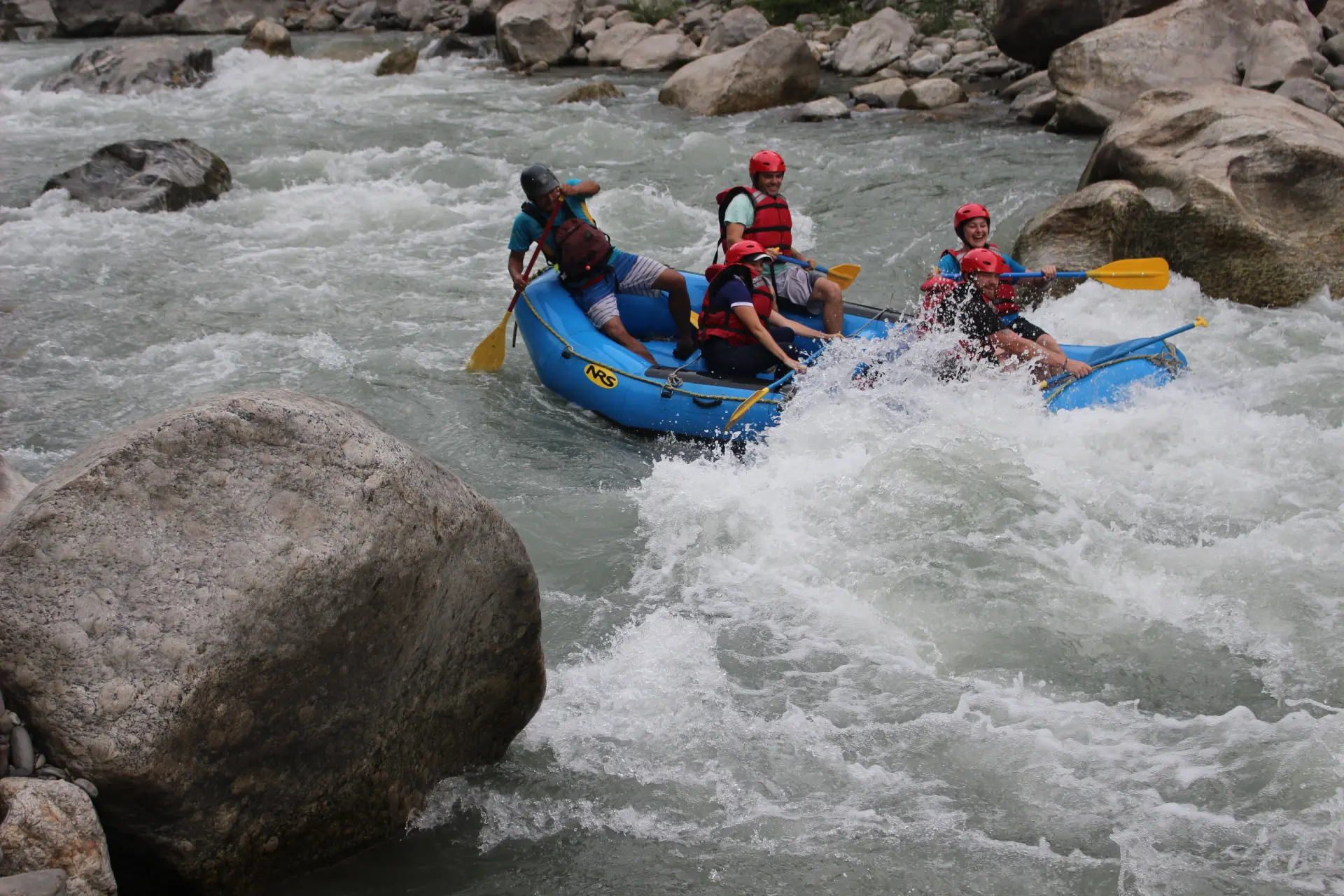
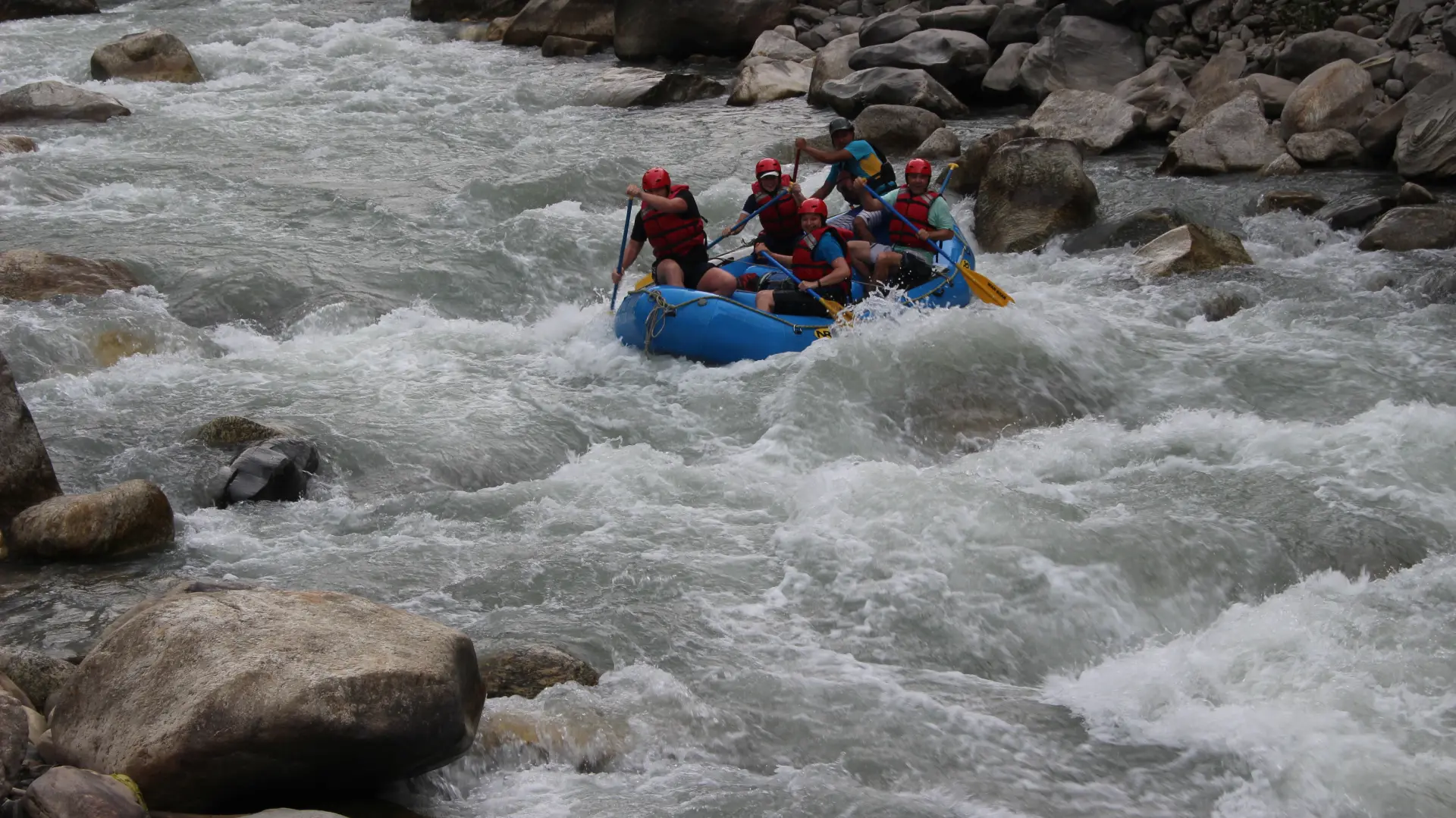
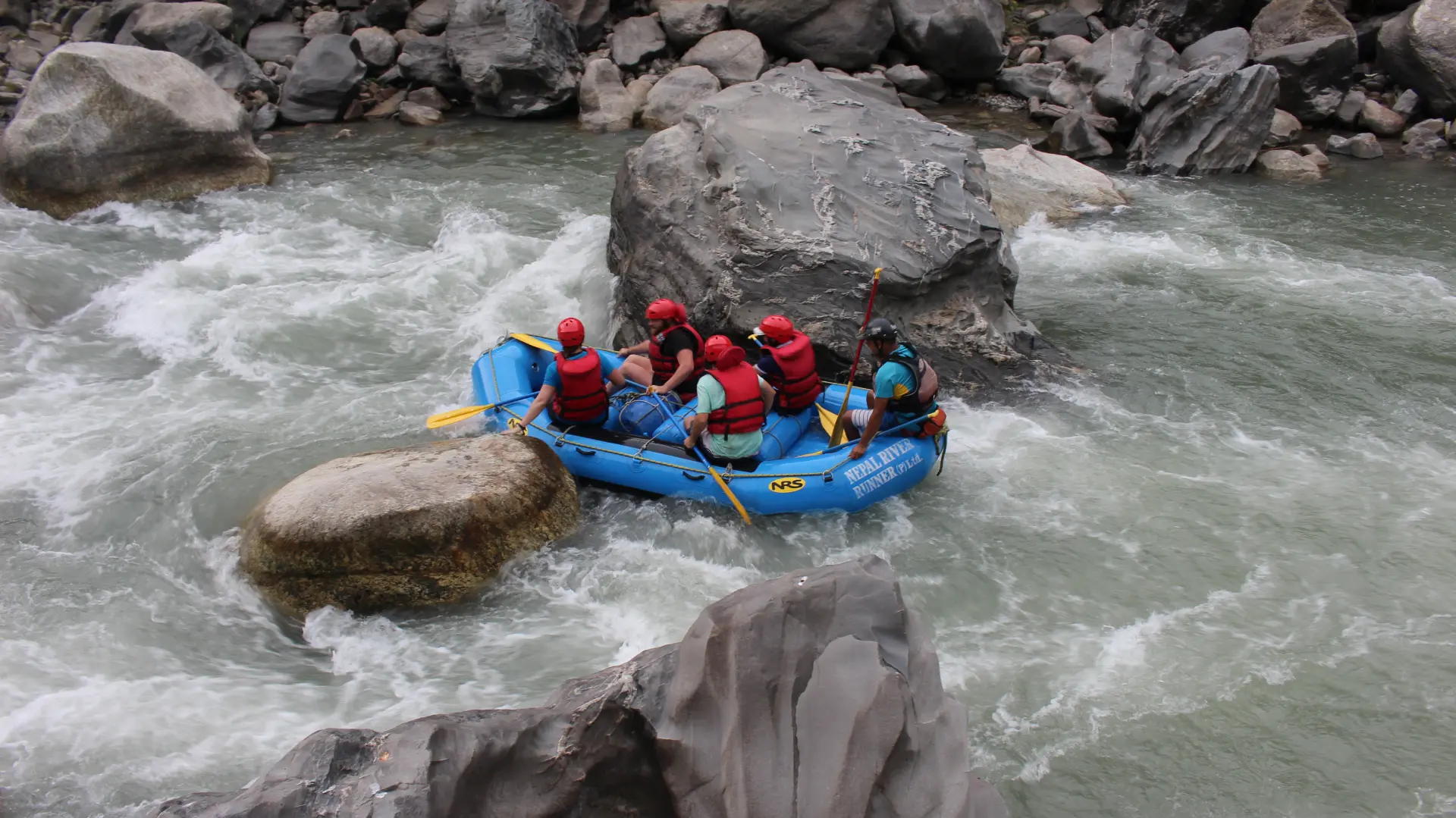
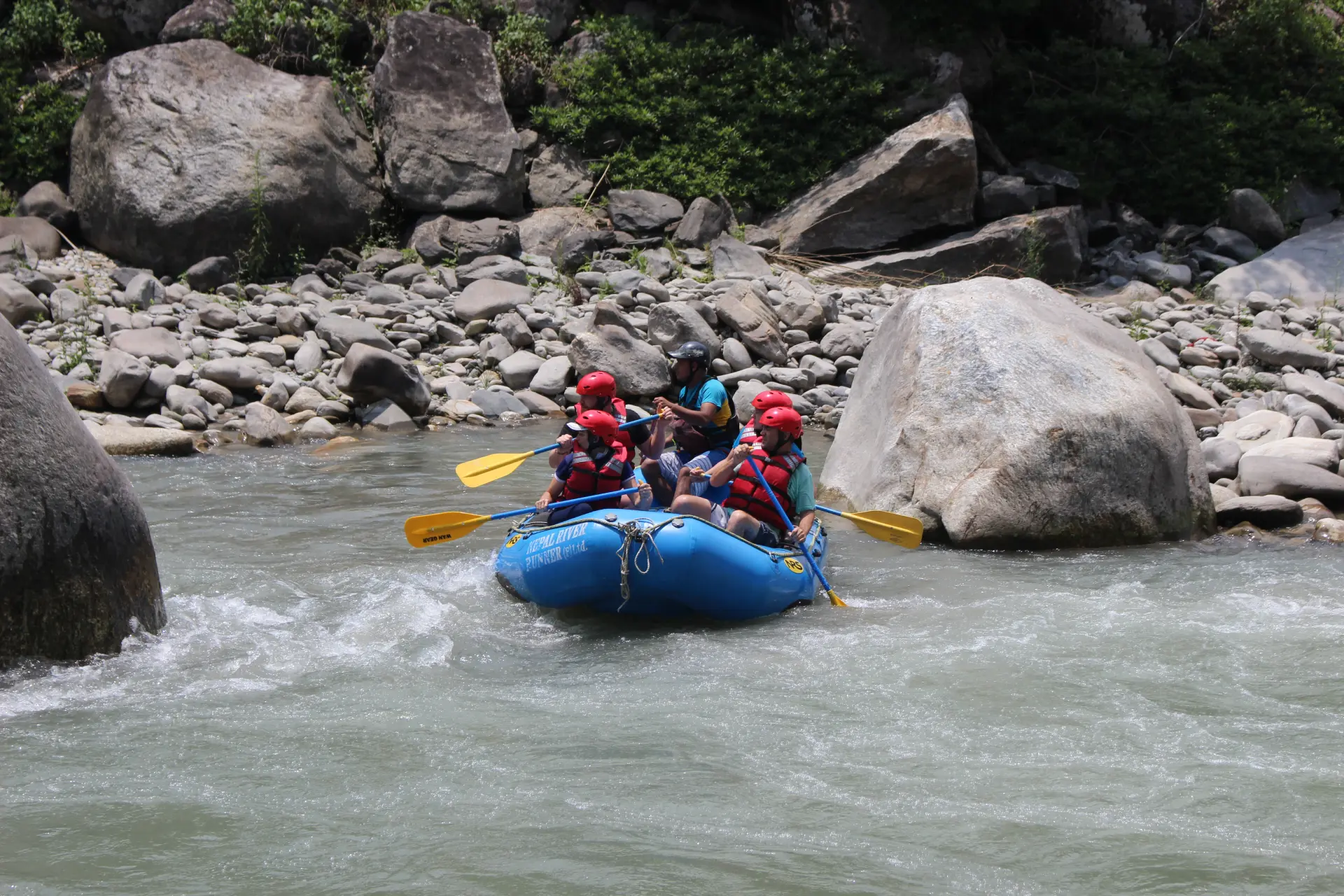
  • Technical Boulder Slalom: Unlike wide, high-volume rivers, Balephi is a narrow, fast-paced mountain stream. Its continuous Class III/III+ rapids form tight rock gardens requiring precise paddling and quick maneuvers around boulders.
  • The Perfect Step-Up: It offers an ideal progression for those seeking something faster and more technical than the Trishuli, without jumping straight into the massive waves of the upper Bhotekoshi.
  • Kayaking Hotspot: Its steep gradient and continuous rapids make Balephi ideal for practicing technical whitewater kayaking lines with support from our safety kayakers.

Balephi River Rafting Overview

Balephi River Rafting is a premier 1-day whitewater adventure located just a short drive from Kathmandu. The river flows through Balephi Gaupalika (Balephi Rural Municipality), a scenic area in Sindhupalchok District of Bagmati Province, Nepal. Serving as the main gateway to the rugged Jalbire Valley and remote Jugal Gaupalika, Balephi town connects urban accessibility with raw Himalayan wilderness.

The town is strategically located along the Araniko Highway, the vital 114-kilometer transport route connecting Kathmandu directly to Nepal’s northern border with China. The area is also rich in local culture and is home to the historic Kapileshwar Mahadev Temple, a prominent religious site dedicated to Lord Shiva that attracts visitors to the confluence.

Balephi lies at the junction where the cold, rushing waters of the Balephi Khola meet the powerful torrents of the Bhotekoshi River. This unique setting provides an ideal staging point for an exceptional technical river run through the heart of Nepal’s iconic Koshi River basin.
1 Day Balephi River Rafting Itinerary

Day 1: Activity Day

Our 1-day adventure begins with a sharp pickup from your Kathmandu hotel between 06:30 AM and 07:00 AM. If your hotel stay includes a Bed & Breakfast (BB) plan, we recommend requesting an early breakfast or asking for a packed breakfast box. After around 1.5 hours of driving, we make a 20-minute stop at Jiro-Kilo or Keraghari around 08:30 AM for tea, coffee, or a refreshing local Lassi. We then continue toward Jalbire, reaching the put-in site around 10:00 AM.

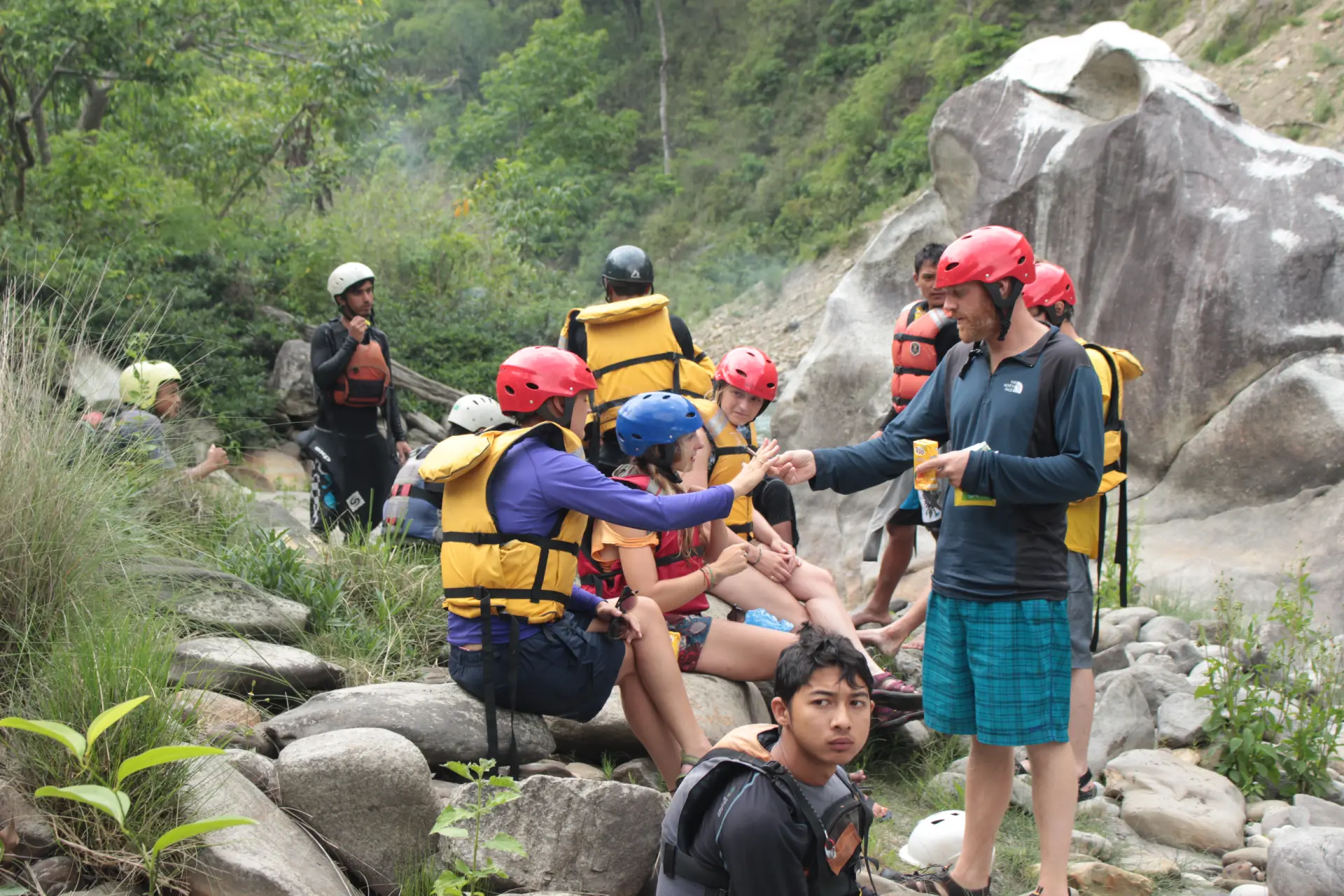
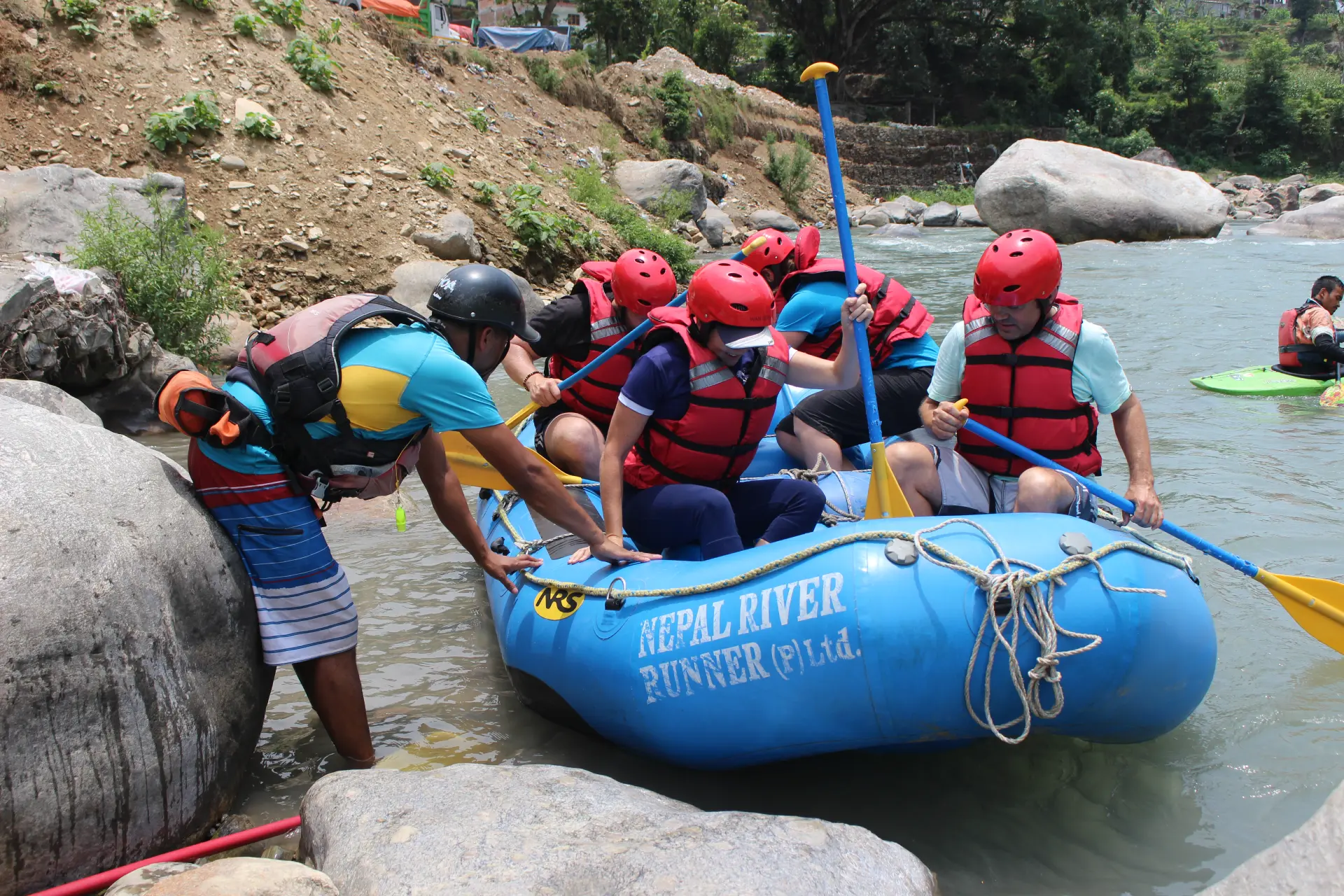
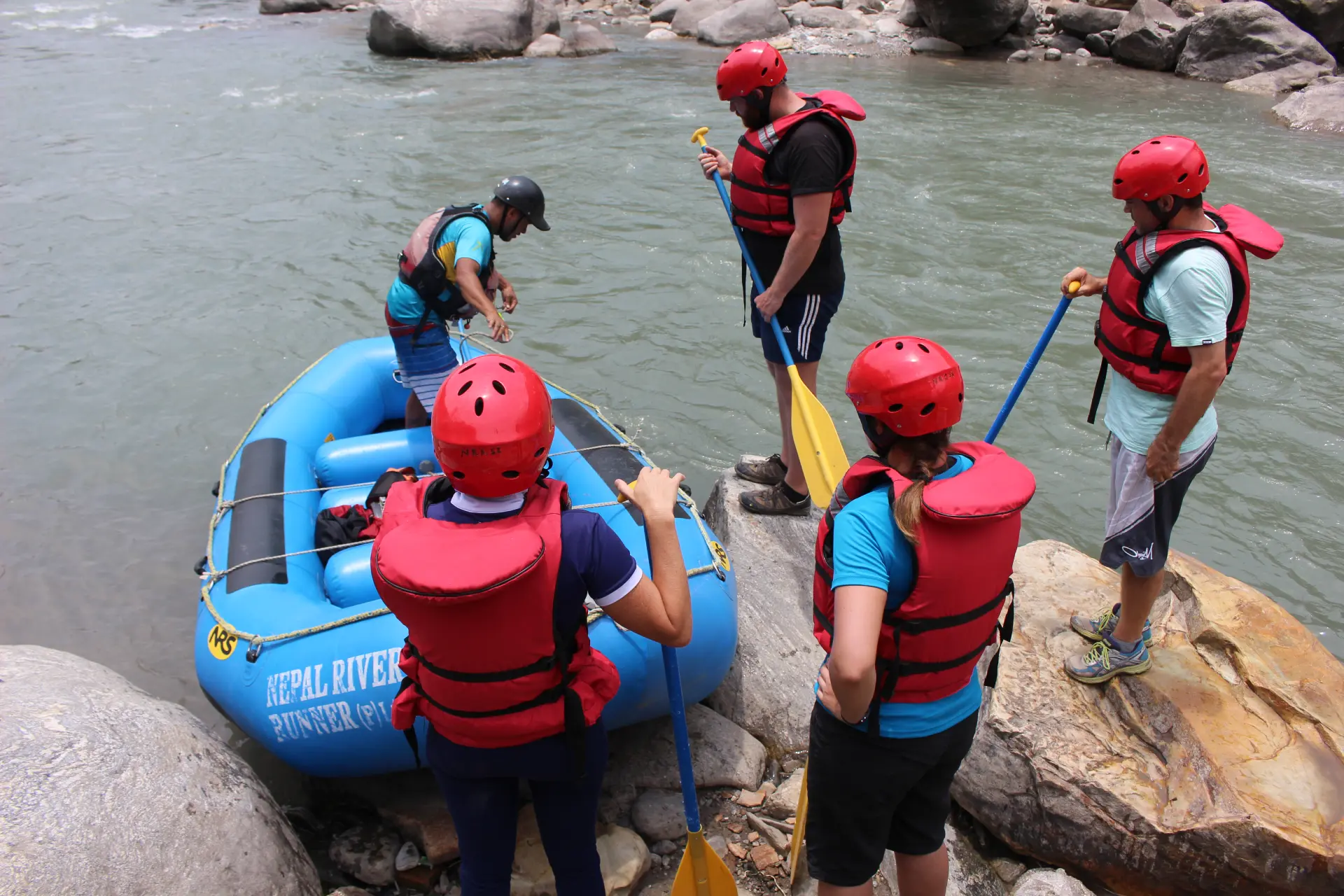
You will have 30 minutes to change into water-friendly clothing and get fitted with your helmet and life jacket while our crew prepares the rafts and safety kayaks. At 10:30 AM, our guides conduct a mandatory 20-minute safety briefing covering essential paddle commands, safe river positioning, and swiftwater rescue procedures. By 11:00 AM, we launch into our 10-kilometer downstream whitewater run, navigating Balephi’s continuous Class III/III+ technical boulder slaloms and bouncy wave trains.

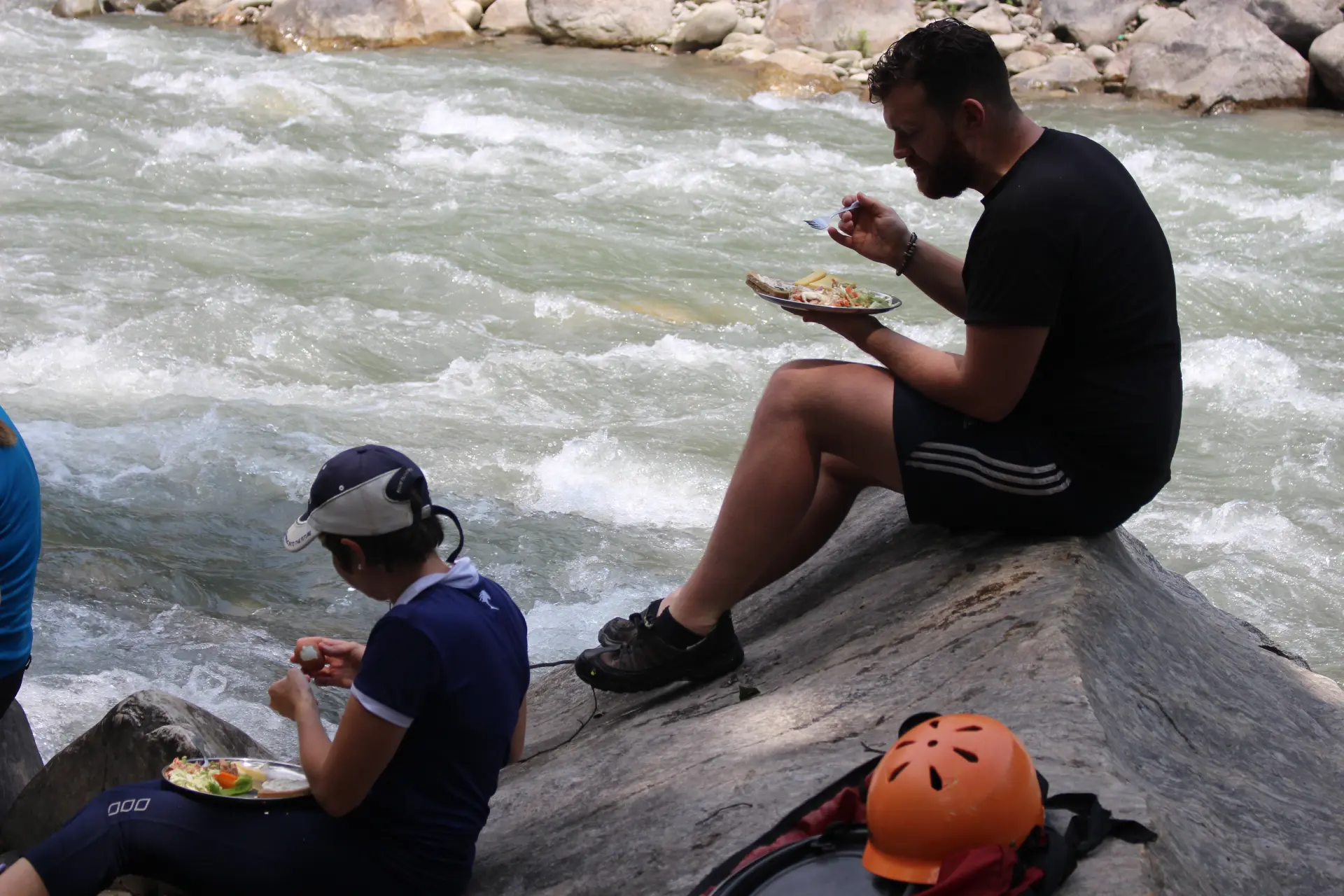
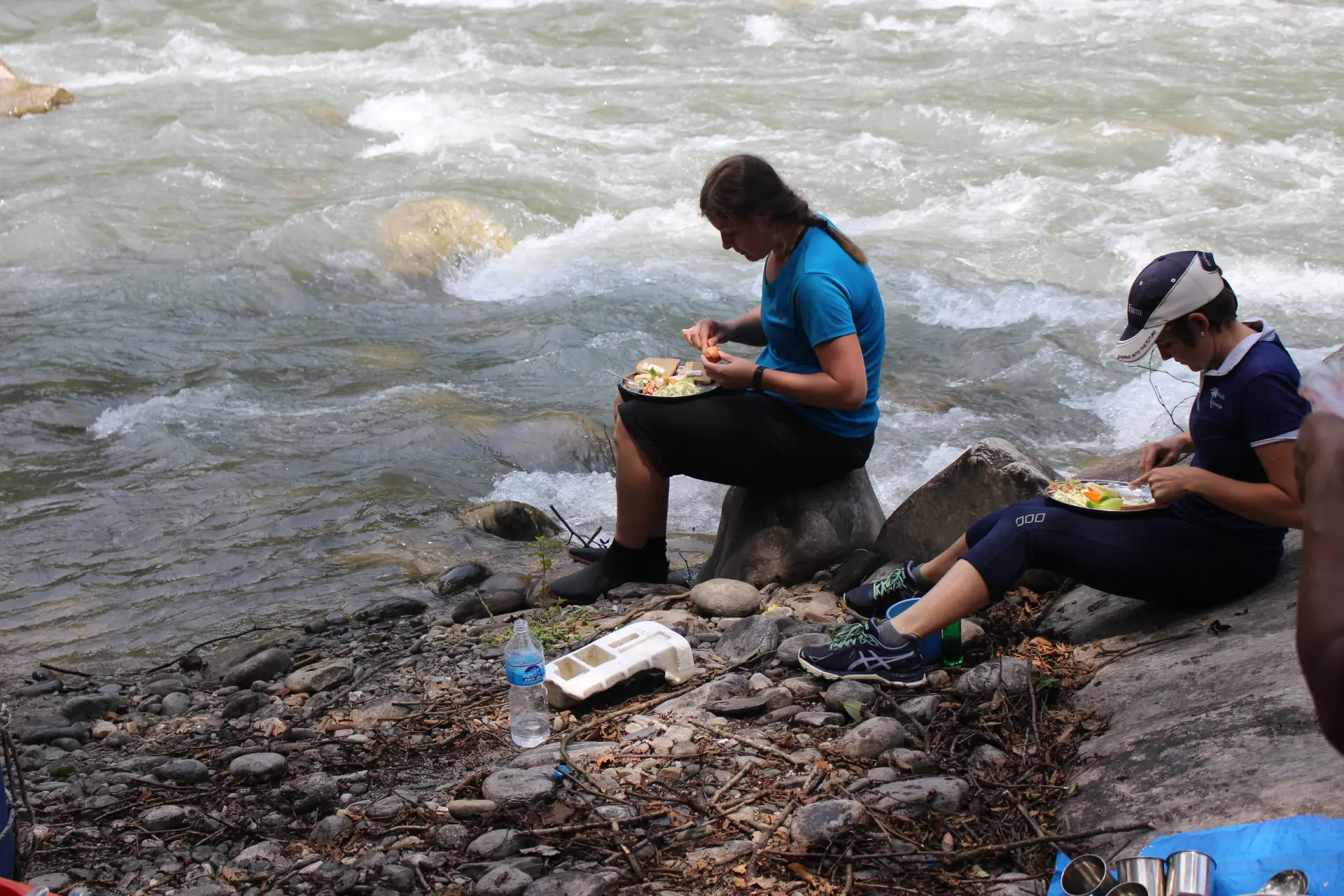
Along the way, your guide will point out designated safe zones for swimming or cliff jumping, and we will pause en route for a packed lunch. We expect to reach our final destination around 03:00 PM. The exact take-out point depends on the day’s water volume and river pace. With faster currents, we continue downstream to the Dolalghat confluence; under standard conditions, we take out directly at our Sukute Beach basecamp.

After taking out, you can wash up, change into dry clothes, and pack away the equipment. By 04:00 PM, we board our private transport for the return journey, aiming to reach your Kathmandu hotel safely around 07:00 PM.

What to Bring During Balephi River Rafting

  • Shorts / ½ pants
  • Sport Sandals
  • Shirts that will dry quickly
  • Swim suit
  • Warm layers (fleece, trousers)
  • Towel
  • Toiletries
  • Sunscreen
  • Sunglasses
  • Camera and batteries/chargers
  • Water Bottles
  • A little cash

What's Included

  • Professional English-speaking licensed guides, highly trained and safety certified to international standards in Whitewater River Guiding, Swift Water Rescue, and Wilderness First Aid
  • Professionally trained and certified safety kayakers.
  • Quality rafting and kayaking equipment, including boats, kayaks, helmets, paddles, PFDs, dry bags, and Pelican boxes.
  • Treated drinking water
  • Two-way transportation
  • River permits.
  • Industry-standard first aid kits
  • Team photos (photos and videos by our team)
  • Lunch

What's Not Included

  • Visas, flights, other taxes, etc.
  • Personal items like toiletries, clothing, cameras, etc.
  • Alcohol and other packaged foods.
  • Insurance policy: Paddlers need to have their own insurance, as we only provide insurance for our crew.
  • Tips for guides – we pay our guides and porters fairly, but if you want, you can tip them personally.
  • City Hotel Accommodation (can be arranged at an additional cost; however, please let us know your hotel preferences, meal plan requirements, and preferred sharing basis in advance)
Close
Find Nearby Share Location Get Directions Close

How is the Rafting Experience on the Balephi River?

The rafting experience on the Balephi River is moderately challenging. Unlike easier, family-friendly river trips like the Trishuli River, the Balephi rafting trip may not be suitable for children under fifteen due to its stronger rapids. The rapids are slightly stronger on the Balephi River. With precautions for safety in mind, a rafting enthusiast can complete the trip. Likewise, you don’t necessarily have to be experienced as a rafter to go on the Balephi River rafting trip.

The river can be as exciting as it can get as it flows down the Dorje Lakpa Himalaya. You will be floating down the steep slopes of Helambu Valley, with the put-in point being at Jalbire and the take-out point being at Sukute along the rocky boulders. Since this trip is completed in a single day, you don’t have to spare too many days for the journey, which makes it time-effective. And, when you’re on the Balephi River trip, you can expect to experience many different adventures besides rafting, like fishing and kayaking.

Can I Combine Balephi River Rafting with Other Adventures?

Absolutely, you can combine Balephi River rafting with other adventures. Balephi’s location in Sindhupalchok’s adventure hub makes it easy to combine with other activities. While its fast, steep Class III/III+ rapids make angling impossible during the rafting run, you can pair the trip with several nearby adventures:

1. Bhotekoshi & Balephi 2-Day Whitewater Combo

Combine Balephi’s technical boulder slaloms with the bouncy wave trains of the Lower Bhotekoshi. Raft one section, stay overnight at a riverfront campsite such as Sukute Beach, and paddle the second river the following morning.

2. High-Adrenaline Bungee Jumping & Canyon Swing

The world-famous Bhotekoshi Bungee Jump at The Last Resort features a 160-meter drop into a tropical river gorge. You can pair a morning jump or canyon swing with an afternoon rafting run or overnight beach stay.

3. Beach Camping, Bonfires & BBQ at Sukute

After taking out at Sukute or Dolalghat, relax along the sandy banks of the river valley. Many 2-day itineraries include evening beach campfires, BBQ dinners, music, and swimming pools at local resorts.

4. Whitewater Kayaking & Skill Practice

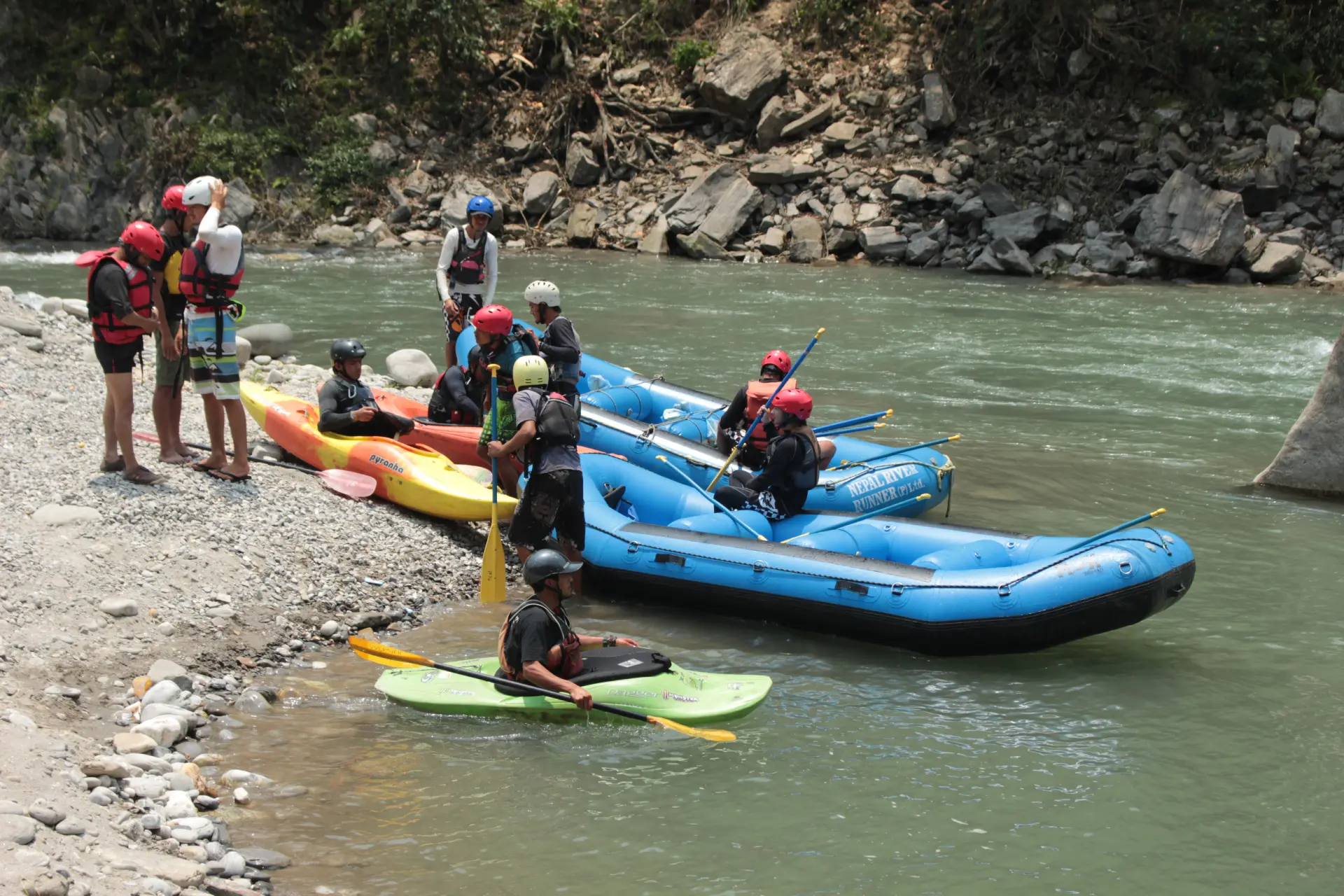
Balephi’s steep gradient and continuous eddy lines make it an excellent training ground for kayakers. You can raft the section or practice precision lines in a solo whitewater kayak under expert safety-kayaker guidance.

Note on Fishing: Balephi is a fast-flowing, technical whitewater stream, so fishing from a moving raft isn’t practical. For dedicated multi-day angling targeting Golden Mahseer or Goonch, explore our specialized fishing-cum-rafting itineraries on the Seti Karnali, Sun Koshi, or Babai rivers.

Why Balephi Is Ideal for First-Time Rafters

For first-time rafters who want a genuine adventure rather than a gentle scenic float, Balephi offers a strong balance between excitement and manageable risk. Many beginners assume they must choose between a slow, predictable river like the Trishuli or an intimidating canyon run like the Upper Bhotekoshi. Balephi fills this gap with an intense, fast-paced experience that remains approachable for less experienced rafters.

Technical Water Without Heavy Water Pressure

Balephi’s narrow mountain channels create excitement through steep gradients, tight boulder slaloms, and continuous rock gardens rather than massive waves and heavy water pressure found in large, high-volume rivers. The challenge focuses more on steering and agility than brute strength. This makes the rapids feel technical and engaging without the intimidating water volume found on larger rivers.

Learn Through Team Coordination

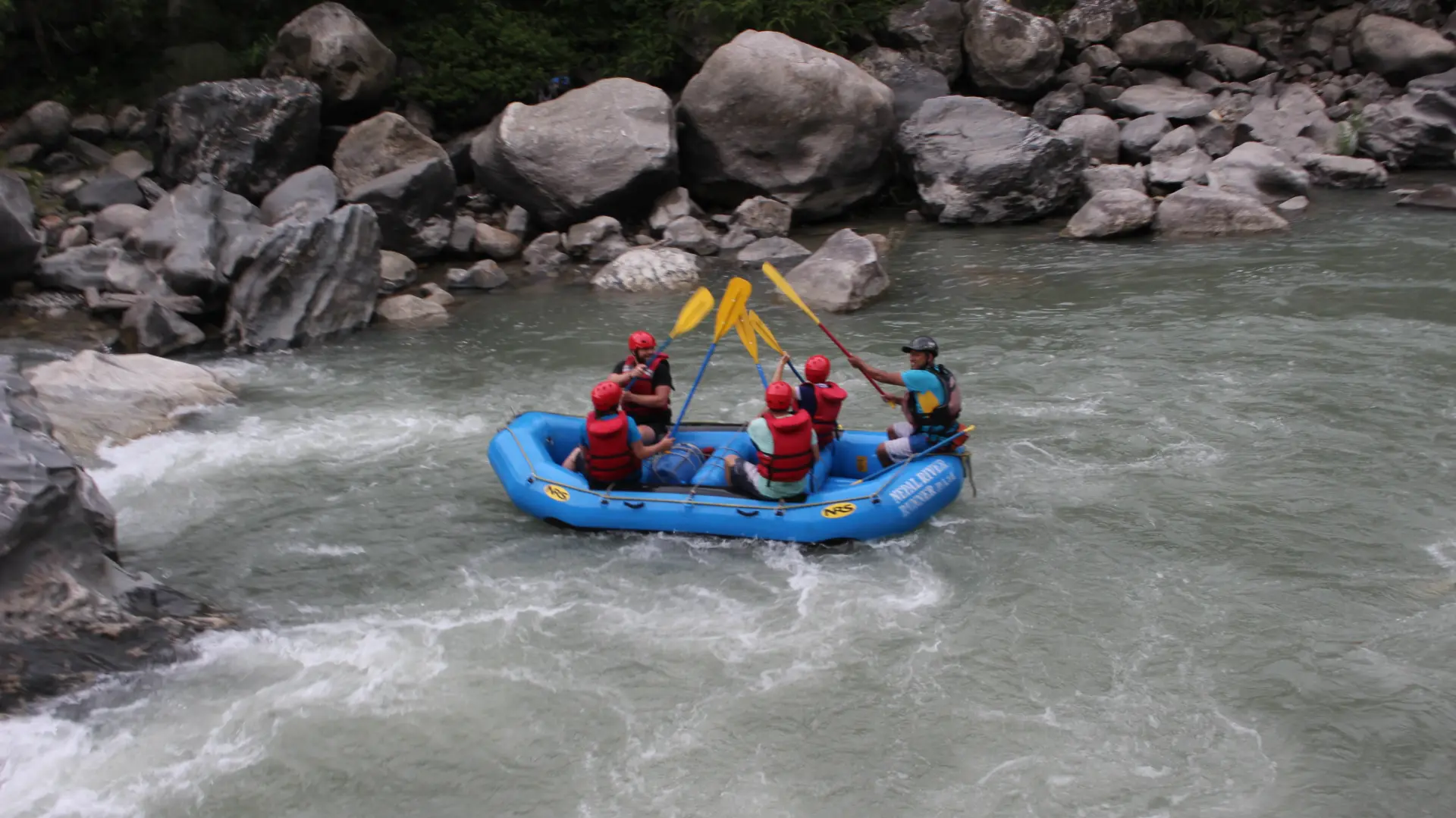
Because the river requires constant maneuvering from the start at Jalbire, beginners quickly learn to follow their guide’s paddle commands. There is little time for long stretches of passive floating. Instead, you build paddling skills, quick reactions, and team synchronization while navigating the river. Successfully working together through the rapids can also give first-time rafters a strong sense of achievement.

Close-Quarters Safety Support

The narrow Balephi corridor also provides an advantage for safety operations. The riverbanks remain relatively close, allowing safety kayakers to stay near technical sections and position themselves in nearby eddies. If someone accidentally falls out, rescue lines and kayak support can reach them quickly, adding another layer of safety during the run.

Ultimately, Balephi delivers a concentrated 10-kilometer technical whitewater experience. It offers enough intensity for adventure seekers while remaining accessible to first-time rafters through coordinated guiding and close safety support.

Balephi River difficulty summary profile:

Metric Balephi Khola Profile
Official Grade Class III / III+ (Intermediate / Technical)
Rapid Type Technical boulder slaloms, tight chutes, continuous wave trains
Physical Effort Moderate to High (sustained paddling required)
Thrill Factor High (fast-paced, splashy, and highly active)
Minimum Age Strictly 15 Years & Above

Balephi River Rafting vs Trishuli River Rafting

Balephi is the better choice for technical, fast-paced rafting, while Trishuli is better for families, beginners, and relaxed rafting. Balephi features narrower channels, continuous technical sections, and active paddling, while Trishuli offers larger wave trains followed by wider, calmer pools.

Here are other main differences between Balephi River rafting and Trishuli River rafting:

Proximity & Location

Both rivers are accessible from Kathmandu, but they lie in opposite directions:

  • Balephi River: Located east of Kathmandu in Sindhupalchok District. The Jalbire put-in is about 80-85 KM from Kathmandu, a 3-3.5 hour drive via the Araniko Highway.
  • Trishuli River: Located west of Kathmandu along the route toward Pokhara and Chitwan. Standard put-in points such as Charaudi and Fishling are about 80-85 KM away, a roughly 3-hour drive.

Two Different River Systems

The Balephi Khola belongs to the Saptakoshi (Koshi) River System of eastern Nepal. Fed by glacial meltwaters from the Jugal and Dorje Lakpa Himal, it is a smaller, steep, low-volume river with tight, technical boulder gardens.

The Trishuli River belongs to the Sapta Gandaki (Gandaki) River System of central-western Nepal. Draining a larger catchment from the Langtang and Ganesh Himal ranges, it becomes a wider, deeper, high-volume river with large rolling waves and broad pools.

Feature Balephi River Rafting Trishuli River Rafting
Rapid Style Technical Boulder Slalom: Fast maneuvering through tight channels and rock gardens. Pool-and-Drop: Rolling wave trains followed by wide, calm pools.
Difficulty Class III / III+ (Moderately Challenging & Technical) Class III (Forgiving & Straightforward)
Rest Periods Minimal; requires sustained team paddling. Ample flat water for relaxing, swimming, and drifting.
Minimum Age 15 years and above 8 years and above
Primary Appeal Adventure seekers wanting a fast, active, technical run. First-timers, families, and groups wanting a classic introductory rafting experience.

Ultimately, the choice depends on your preferred rafting experience: choose Balephi if you want continuous technical rapids and active paddling, while Trishuli is better if you prefer wider channels, calmer pools, and a more family-friendly experience.

Balephi vs. Upper Bhotekoshi Gorge

Compared to the historic Upper Bhotekoshi Gorge (Lamosangu / Upper Canyons), the Balephi is much safer. The Upper Bhotekoshi plunges very steeply, about 15 m for every kilometer, through tight rock canyons. During the monsoon, landslides and sudden floods have filled the upper gorge with sharp boulders, river debris, and exposed rebar. This makes it extremely dangerous and not suitable for rafting.

On the other hand, the Balephi does not have these extreme, high-risk canyon drops or debris traps. It is a more controlled Class III river.

Factor Balephi Khola Lower Bhotekoshi Upper Bhotekoshi (Gorge)
Difficulty Rating Class III / III+ Class III / III+ Class IV / IV+ (V)
Primary Risk Physical impact with boulders in narrow chutes Swimmers drifting into wave trains Severe pin hazards, high water pressure & debris
Swimmer Recovery Fast (narrow banks & close kayaks) Easy (wide, open recovery pools) Difficult (long, tight canyon drops)
Current Safety Status Safe & Operable Safe & Operable Inoperable (Landslide Hazards)

Bottom line: When run with proper safety, trained guides, safety rafters, high-flotation life jackets, and helmets, both the Lower Bhotekoshi and the Balephi are well-managed Class III rivers. Choose the Lower Bhotekoshi for big waves and open water, or the Balephi for tight, technical paddling.

FAQs About Balephi River Rafting

After completing the rafting journey, rafters dry their clothes and shoes and change into dry, clean clothes. Then, they set up camp. If you’re not staying overnight, you can still settle on the banks of the river and wait in the serenity of the Balephi River for your food to be prepared.

Yes. You do not need prior rafting experience to join. However, because the river is fast and requires quick, responsive paddling around boulders, you must be in good physical health, agile, and accompanied by our professional guiding team.

The minimum age for Balephi River rafting is 15 years due to its technical Class III/III+ rapids and swift mountain currents. For ages 10-14, the Lower Bhotekoshi is a better option, which features wider river channels, bouncy Class III wave trains, and open recovery pools. Likewise, families with children under 10 can enjoy the gentler Trishuli River that offers gentle pool-and-drop rapids safe for young adventurers.

No. The Balephi is a fast-flowing, technical mountain river, making fishing from a moving raft completely impossible. If you are looking for a dedicated angling experience targeting Golden Mahseer or Goonch, consider our specialized multi-day fishing expeditions on the Seti Karnali, Babai, or Sunkoshi Rivers.

Yes, you can bring your phone or camera on the river trip, provided you keep your phone and camera in a waterproof bag. Be careful not to drop them in the water, as the Balephi River can rise several times during the journey. We also recommend carrying a GoPro with a chest mount.

Yes, it would be great if you tipped your guide during the Balephi rafting tour. However, this is not a compulsion. Our package covers the cost of guides and services from additional representatives. Tipping will likely enhance your experience and their morale as your staff.

Yes, the Balephi River rafting experience is suitable for beginner rafters. You don’t need to be experienced in rafting to go on this trip, especially since you will be guided by a licensed guide and accompanied by fellow rafters. Safety should not be a concern, as everything on the trip is done methodically and safely!

The Balephi River Rafting starting point at Jalbire Bazaar is approximately 80–85 km northeast of Kathmandu, taking around 3–3.5 hours by road under normal traffic conditions. The route follows the Araniko Highway (NH03) through Bhaktapur, Banepa, Dhulikhel, Dolalghat, and Balephi Junction, where you turn north and continue approximately 12 km (20–30 minutes) to Jalbire Bazaar. An early departure around 6:30–7:00 AM is recommended to avoid traffic around Koteshwor and Suryabinayak.

Yes, but it depends on the age of your children. Balephi rafting is suitable for ages 15 and above due to its narrow channels, technical rapids, and swift currents. For younger children, we recommend the Lower Bhotekoshi for ages 10–14 or the Trishuli River for ages 8–13, with child-sized helmets, ISO-certified high-flotation PFDs, expert guides, and safety kayakers.

Neither is inherently safer. They present different types of whitewater. The Lower Bhotekoshi has bigger wave trains, faster flows, and wider recovery sections, while Balephi is narrower and more technical, with tighter boulder sections. Experienced guides, safety kayakers, helmets, and high-flotation PFDs make both safe to run.

The Balephi River is Class III/III+ (Moderately Challenging and Technical). Its narrow channels, steep gradient, and continuous rapids create a fast-paced experience with tight boulder slaloms and quick chutes. You need good coordination, quick reactions, and sustained paddling, not physical strength alone.