Kayaking Destinations In Nepal For 2026
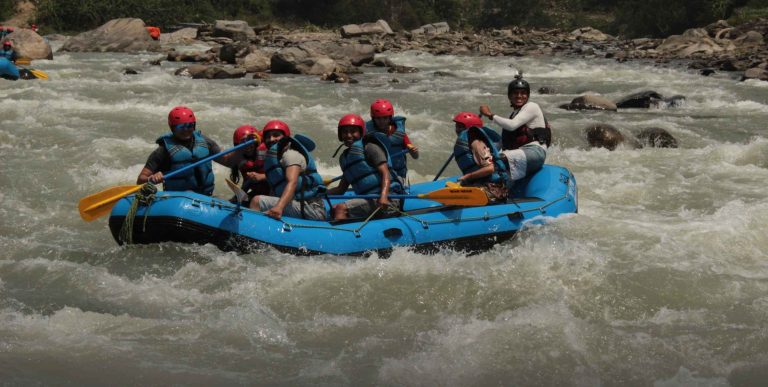
What comes to your mind when you hear Nepal? Well, for most people, the picture of Everest or towering mountains may come to mind. But from those Himalayas flows icy, clear water, perfect for Kayaking. The fast-moving white water runs through deep valleys, gorges, and lush river corridors. Running through Nepal’s diverse landscapes, numerous rivers offer some of the most thrilling kayaking routes.
In 2026, Nepal is emerging as a premium destination for kayaking enthusiasts. What makes the country’s kayaking truly unique and special is the diversity of waterways. In a single journey, you can experience different rapids ranging from Class III to V that will test your skills and courage. As adventure tourism grows in Nepal, kayaking has also evolved into a must-try thrill-seeking activity. The improved access routes, better services, and increased global interest have made 2026 an exciting year for Nepal’s waterways.
Whether you are a beginner or a seasoned kayaker, the rivers of Nepal cater to everyone. From legendary white water rivers to calm paddles, there is something for everyone. The Kayaking experience is more than about navigation, but also about immersion. It is an adventure that blends nature, culture, and adrenaline. The rivers shape the culture, history, and communities that live along their banks. With Nepal’s rivers inviting all adrenaline seekers, in this blog, we will explore the top kayaking destinations in Nepal in 2026.
Lower Bhote Koshi
The Lower Bhote Koshi is one of the most action-packed and rewarding destinations for kayaking in Nepal for 2026. Easily accessible from Kathmandu, this specific 10-kilometer stretch—running from the Lamosangu Dam down through Sukute Beach to Dolalghat—is world-renowned for its continuous, technical Class III rapids, hitting a Class III+ maximum at optimal flows.
While the upper gorges near the Tibetan border are famously steep and violent (dropping at a brutal 15 meters per kilometer), this lower section flattens out to a much more manageable 4 to 5 meters per kilometer.

This 4–5 m/km gradient is the absolute sweet spot for a kayak clinic. It provides excellent hull speed, clean eddy lines, and continuous rolling wave trains to practice rolling and carving, while completely eliminating the high-stakes, catastrophic drops found further upstream. Because it sits just a 3-hour drive from the capital and runs right alongside the Araniko Highway, the logistics are completely seamless. Whether you are joining us for a fast-paced 1-day downriver run, using the steady rapids at Sukute for a multi-day clinic, or warming up for a longer expedition, this stretch delivers the perfect mix of convenience, safety, and authentic Himalayan whitewater thrills.
Balephi River
While Bhotekoshi is a popular kayaking destination, there is a hidden gem in the northeast of Nepal that offers pure white water adventure. It is the Balephi River, an underrated yet rewarding destination near Kathmandu. Its water is untouched by mass tourism. Hence, the river is ideal for a raw, more intimate kayaking experience. The Balephi River is a fast-flowing river with continuous Class III to Class IV rapids. It is technical but not overwhelmingly extreme. The rapids are frequent, so you will be paddling from the start to the finish. It is a perfect destination for kayakers seeking something more adrenaline-fueled yet still accessible.
Because it remains a lesser-known kayaking spot, the experience feels entirely authentic and immersive. It is a fantastic river to sharpen your technical skills, catch tight eddies, and practice precise boat control. The Balephi River flows through pristine forested hills, small riverside villages, and terrace farms. The tranquil scenery combined with the river’s wild energy makes it undoubtedly one of the best kayaking destinations in Nepal for 2026. Best of all, we run this as a seamless 1-day kayaking trip from Kathmandu, allowing paddlers with limited time to experience the nonstop excitement of independent whitewater kayaking in Nepal.
Sunkoshi River Rafting
Sunkoshi River, also known as the River of Gold, is considered one of the top ten river expeditions in the world. It is one of the best kayaking destinations not only in Nepal, but also in Asia. What makes the Sunkoshi River stand out from other kayaking destinations in Nepal is its 270-kilometer length. Sunkoshi River offers Nepal’s longest river expedition, combined with raw Himalayan wilderness and continuous big white water. Its powerful flow and long, continuous rapids, ranging from Class III to IV+, offer exhilarating technical challenges for intermediate and experienced paddlers.

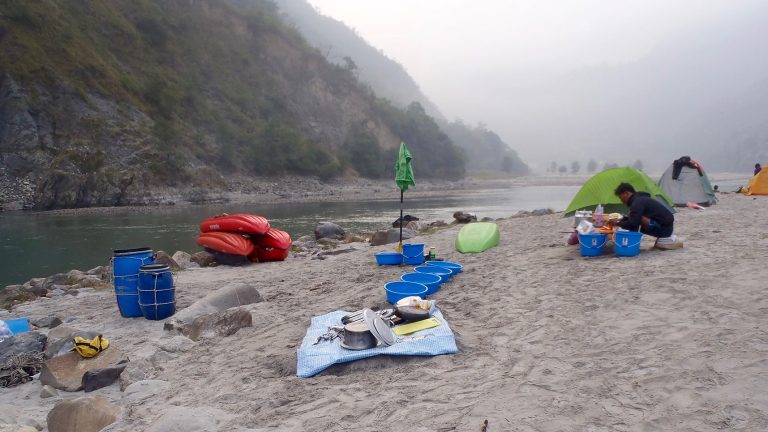
The river is accessible from the capital city, yet it feels remote. The expedition also blends kayaking with camping. After the thrilling day battling the white water, you will camp on sandy riverbanks under the stars. What makes kayaking on the Sunkoshi River more exciting is that the powerful white-water rapids may appear or disappear depending on the season. It is ideal for kayakers seeking more than a day of rapids and a full expedition challenge. Similarly, the immersive experience along the way makes the Sunkoshi River kayaking one of the best kayaking destinations in Nepal for 2026.
Tamur River Expedition
Another kayaking destination for paddlers looking to experience authentic, multi-day kayaking, the Tamur River Expedition is the perfect match. Nicknamed the “Jewel in the East,” the river is well-known for its long, continuous rapids. Paddlers will encounter 120 thrilling rapids that range from Class I to Class V spread across a 131-kilometer stretch. What makes Tamur kayaking unique is that it is not readily accessible like other kayak destinations in Nepal. First, you have to trek for around four days to reach the remote upper valley before launching your kayaking. The combination of trekking and world-class white water kayaking makes Tamur one of the top destinations in Nepal.
The river cuts through deep valleys, lush forests, and isolated river settlements. It is fed by glaciers from the eastern Himalayas. The Tamur River carries a powerful flow that creates strong currents, continuous rapids, and action-packed hydraulic waves. It is suitable for intermediate and experienced kayakers who want to experience a full expedition challenge rather than a short trip. Similarly, the wilderness camping on remote river beaches and the cultural encounters along the way make the kayaking experience more immersive. The raw Himalayan river energy of the Tamur River stands out as one of the top kayaking destinations in Nepal in 2026.
Multi River Expedition
Kayaking in Nepal is not just a day’s adventure; there are also multi-day, full-scale Himalayan white water adventures like the Multi River Expedition. As the name suggests, the expedition covers multiple rivers. You will kayak four iconic white water rivers of Nepal, which include the Bhote Koshi River, the Balephi River, the Sun Koshi River, and the Tamur River. The expedition is for true river explorers and adrenaline seekers. From remote river corridors to popular destinations, each river provides a unique challenge and unforgettable kayaking experience.
The Bhote Koshi River is one of the most popular spots that offers steep, powerful rapids for an intense rafting and kayaking experience. Balephi River is quieter but offers more intimate, technical rapids. Similarly, the Sun Koshi River, also known as the River of Gold, is a classic expedition river with a mix of powerful rapids and calm flatwaters. On the other hand, the Tamur River offers a true remote Himalayan experience, blending powerful rapids with the untouched landscapes of eastern Nepal. The Multi River Expedition combines the best of everything to create the most complete whitewater experience. It is one of the best kayaking destinations in Nepal 2026 for guests who want more than just a single river trip.
Best Time For Kayaking In Nepal
Kayaking in Nepal is possible almost all year-round. Nepal has four seasons, i.e., spring, summer, autumn, and winter. Depending on the season, river levels and weather patterns change, which ultimately influence the kayaking experience. Hence, it is crucial to choose the right time for your trip to make the best out of it.
To help you with your kayaking trip in Nepal in 2026, here is a brief on each season guide for every paddler:

Spring (March to May)
Stable weather and warm temperatures make spring one of the best times to kayak in Nepal. At the start of the season, the gradually rising temperatures cause the snow in the Himalayas to melt. It feeds the rivers, and the water levels become consistent with clearer channels. However, the water level is usually lower than in autumn, which creates more technical times. This helps paddlers to practice, improve their technique, and enjoy more controlled runs. Similarly, as the season progresses, the water also becomes warmer. Spring is an ideal time for first-timers and intermediate kayakers. The water levels of rivers like the Bhotekoshi and the Balephi are moderate, creating ideal conditions for learning and progression.
Summer (June to August)
The monsoon and summer seasons in Nepal coincide with each other. Due to the heavy rainfall, the river volume increases massively with huge and continuous rapids. Rivers across the country swell and become faster, becoming more unpredictable. Kayaking in the summer season means that paddlers have to tackle the massive rapids and high-water technical runs. It is extremely challenging and requires expert skills and experience. There are also the risks of flash floods, landslides, and changing river channels. Summer is only suitable for highly experienced kayakers with local guides.
Autumn (September to November)
The best time for kayaking in Nepal is autumn, when the weather is most favorable, and temperatures are moderate. It comes right after the monsoon, so the rivers are full and alive. Similarly, the rapids are intense without being overly dangerous, and the river channels are clean. The vibrant landscape and clear visibility make the scenery even more stunning, enhancing the kayaking experience. White water rivers like the Sun Koshi and the Tamur River are absolutely perfect for multi-day river expeditions. Autumn is the perfect time for intermediate and seasoned paddlers to put their paddling skills to the test.
December (December to February)
Winter is the most underrated season for kayaking in Nepal. Most kayakers pass the winter, but they should consider taking up the water sport at this time of the year. The weather is stable and dry. The rivers are quieter, and the water levels are lower. While one may think that lower water levels would reduce the thrill of kayaking, that is not true. Many rivers become more technical during winter. It is the perfect time of year to practice technical kayaking in solitude. Likewise, it is also suitable for experienced paddlers who want to enjoy Nepal’s white water thrills without crowds.
Comparing 3 Popular Kayaking Destinations in Nepal
Let us compare the above-mentioned kayaking destinations in Nepal side by side so you can better understand each. Take a look:
| Feature | Bhotekoshi River Rafting | Balephi River Rafting | Multi River Expedition |
| Duration | 1 day | 1 day | 13 days |
| Distance | 10KM | 11KM | 336KM |
| Difficulty | Class III to IV | Class II to III | Class I to IV |
| Rapid Type | High gradient, fast-flowing, and powerful, irregular rapids | Stronger, faster, and steeper rapids | Combination of rapids from calm to technical rapids |
| Physical Demands | Moderate to high | Moderate | High |
| Best season | March to June and September to November | March to June and September to November | March to June and September to December |
| Experienced required | Ideal for intermediate to experienced paddlers | Paddlers with basic comfort in fast-moving water | Previous rafting and kayaking experience is strongly recommended |
Can a Beginner Do Kayaking in Nepal?
Absolutely yes! Beginners can do kayaking in Nepal. There are plenty of beginner-friendly white water rivers in Nepal that are perfect for first-timers to get a taste of this adventurous water sport. While there are many powerful Himalayan rivers for world-class expeditions, not all rivers are extreme. Similarly, many operators cater to beginners, offering training clinics and professionally guided trips.
The rivers of Nepal are graded from Class I to Class V+. For beginners, Class I to II is more suitable. Rivers with these rapids have smaller rapids, gentler current, and calmer sections. Even first-time paddlers with no kayaking experience can learn the fundamentals of paddling, control, river reading, and building confidence. Beginners need to thoroughly learn the essentials of kayaking techniques before moving to more technical waters.
There are beginner-friendly rivers in Nepal for those who want to try kayaking before tackling bigger white-water rivers. For intermediate paddlers, rivers like the Bhotekoshi and Balephi offer a mix of technical and calm waters. The Multi River and Tamur Expeditions are for more experienced white water paddlers. Having said that, with the support of trained guides and proper safety gear, kayaking in Nepal is accessible to even beginners. Whether a one-day introductory kayaking session or a full beginner kayak clinic, there are many learning rivers with supportive environments across the country.
Tips For Kayaking In Nepal
You may find the following tips useful if you are looking to try white water kayaking in Nepal:
- Choose the river that matches your skill and experience level, not just your ambition. You need to understand the river grading and make a realistic choice.
- If you are a beginner, join a training course or structured kayaking clinic. You need to learn paddling strokes, boat control, bracing and recovery, self-rescue, and safety techniques.
- Kayaking requires good core strength, flexibility, and endurance. Hence, fitness plays a crucial role. You must at least take basic pre-trip training, such as swimming, cardio, and stretching, to improve your comfort and control in the water.
- Always use proper safety gear, such as a helmet, river shoes, a spray skirt, and a personal flotation device. You may also need technical gear for white water rafting, like a wetsuit or drysuit, paddle shoes, a dry bag, etc.
- Protect yourself from the sun and stay hydrated. While kayaking, you are exposed to the sun, which can lead to dehydration. Hence, use sunscreen and wear polarized sunglasses with a strap.
- Guided are licensed professionals and know hidden hazards and safety lines. Always listen to your guide and follow their instructions. Remember, your guide knows the river best.
- Take time to enjoy the scenery and nature as you paddle through the river. Kayaking in Nepal is more than about adrenaline; it’s about enjoying the Himalayan landscapes, riverside settlements, and lush valleys.
Is Kayaking In Nepal Expensive?
Kayaking in Nepal is generally more affordable than in other countries. The cost heavily depends on the type of trip you choose. For example, the cost of a short, beginner-friendly kayaking trip is lower than that of a multi-day expedition. Depending on your budget and preferences, you can choose from budget-friendly trips to premium, multi-day river journeys.
| Packages | Estimated cost (per person) | Included |
| 1 Day Kayaking Trip | USD 70 to 120 | Guide, transportation, basic instruction, and equipment |
| 1 Day White Water Rafting and Kayaking Combo | USD 50 to 1000 | Instructor, transportation, training, and equipment |
| Multi-day Beginner Kayaking Course (3 to 5 days trip) | USD 300 to 500 | Instructor, training gear, meals, and accommodation |
| Multi-day River Expeditions (5 to 10+ days trip) | USD 600 to 1,200 | Full guide team, logistics, meals, equipment, and logistics |
Please note that the trip cost can increase or decrease depending on the trip duration, logistics, and services. A standard package usually includes guides or instructors, transportation, and equipment. For multi-day trips, accommodation and meals are also included. If you add more services or logistics, the cost will increase accordingly. For more information about the trip and cost, you can reach out to us at info@nepalriverrunner.com or via WhatsApp at +977 9851188261.
Is There an Age Limit For Kayaking In Nepal?
There is no strict age limit for kayaking in Nepal. However, trip operators may have their own age requirements based on the river difficulty for safety reasons. The major factors, in addition to river difficulty, that contribute to age eligibility are fitness, swimming ability, water flow, and season. Minors who want to participate in kayaking in Nepal must have parental consent and go through a guide assessment. They can only join beginner-friendly and calm rivers. Also, they must be accompanied by parents or professional guides.
In the white water rivers of Nepal, skill matters more than age. However, in general, the simple rule is that the more difficult the river, the greater the age and experience required. As rivers range from calm flows to extreme Himalayan whitewater, the age limit can vary. The minimum age guidelines by river type are as follows:
- Beginner Rivers (Class I to II): 10-14 years and above
- Intermediate Rivers (Class III to IV): 14-16 years and above
- Advanced Rivers (Class IV to V+): 18+
The age limitation in kayaking in Nepal is set for safety reasons. White water rivers with strong currents and rapids require strong physical strength and endurance. Young children will struggle to keep up with the flow or paddle for long periods of time. Most rivers are glacier-fed, which means their water is cold year-round. It increases the risk of shock and fatigue for young children. Another reason is the unpredictable nature of the rivers. The rapids and currents can change quickly, which requires fast reaction and decision-making. Young children are not equipped with these skills, leaving them exposed to real dangers.
Families with young children can still kayak in Nepal. It is best to opt for short kayaking trips on calm river sections and hire professional guides. Likewise, children must wear helmets and life jackets. Instead of solo kayaks, use stable rafts, as the guide will closely monitor overall condition throughout the trip. Nepal’s white water kayaking is open for young paddlers with proper river selection, training, and under the careful supervision of experienced guides.