Saroj Thapaliya – Kayak, Safety Instructor & Rafting Leader | Nepal River Runner

Saroj Thapaliya

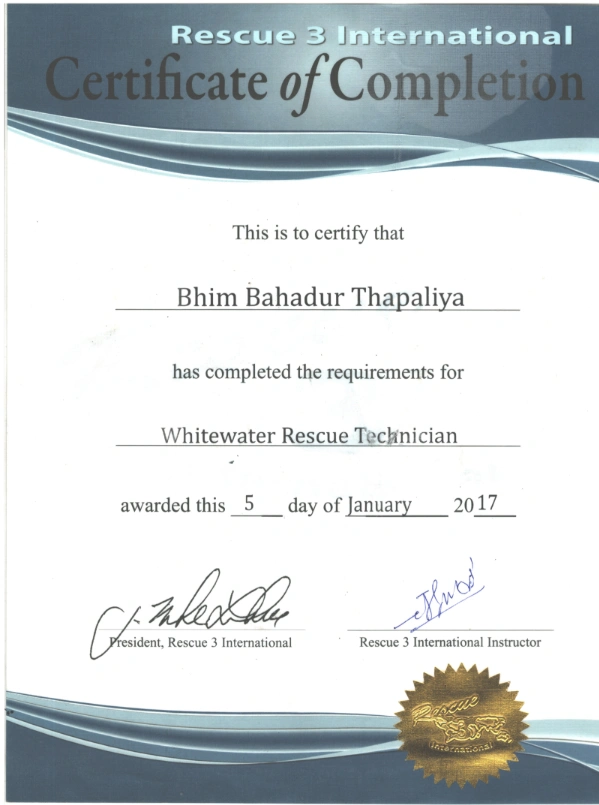
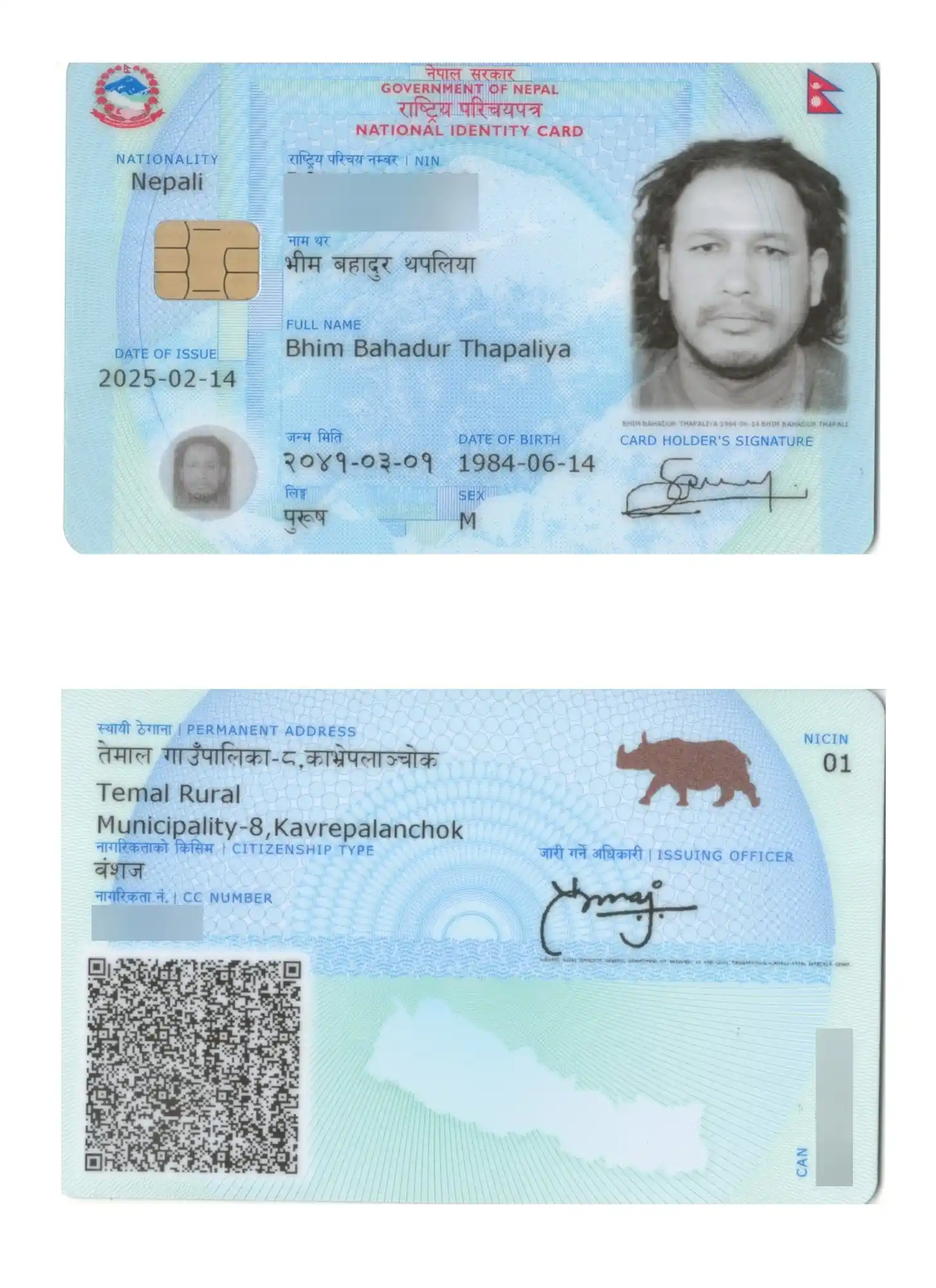
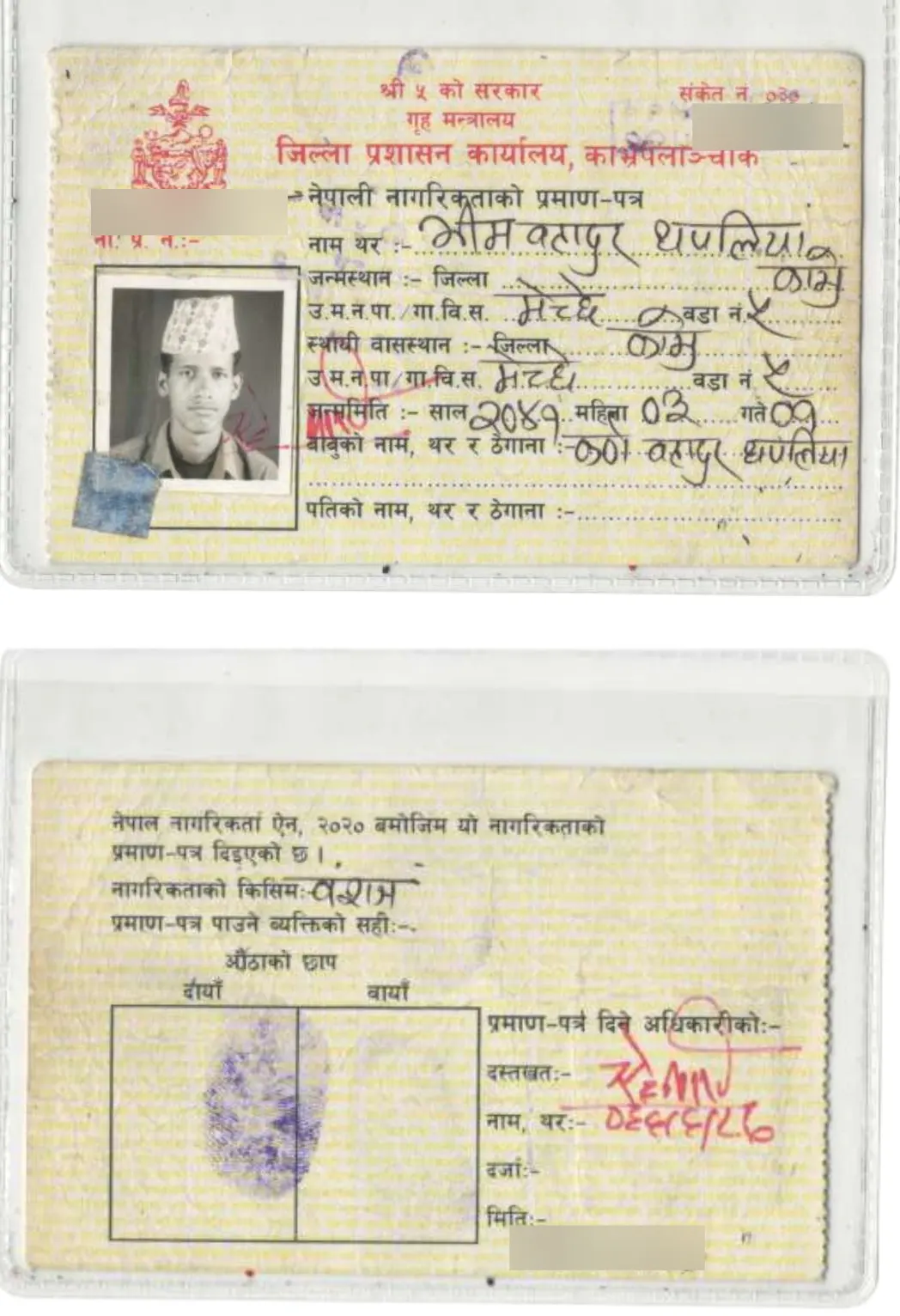
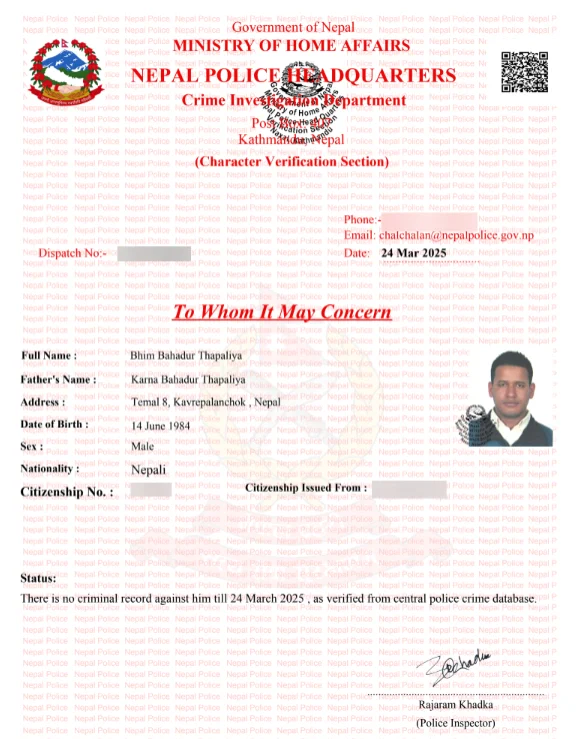
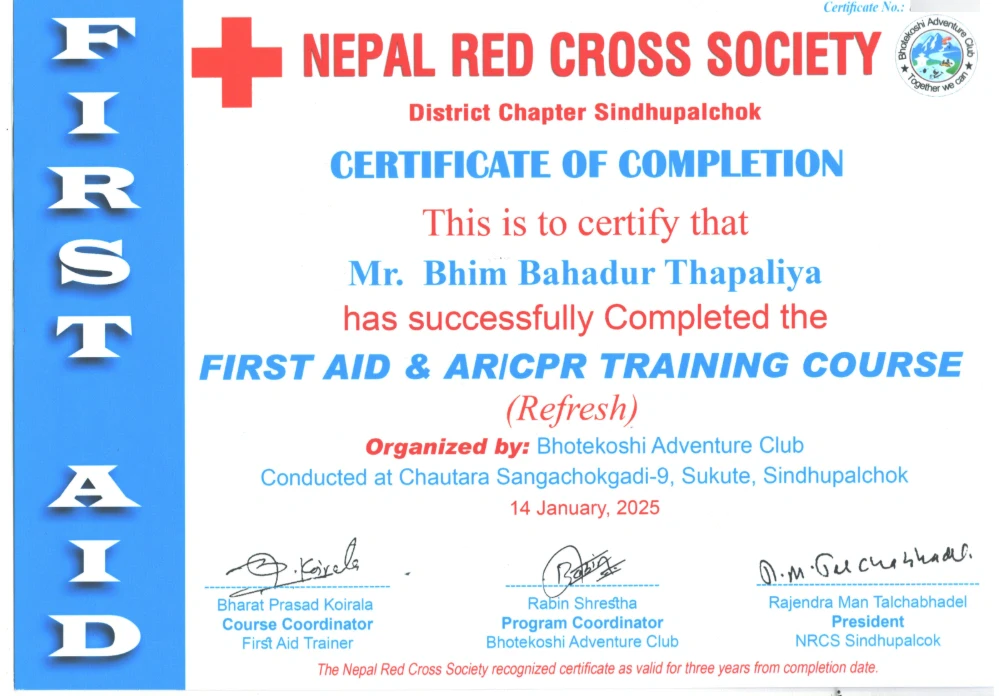
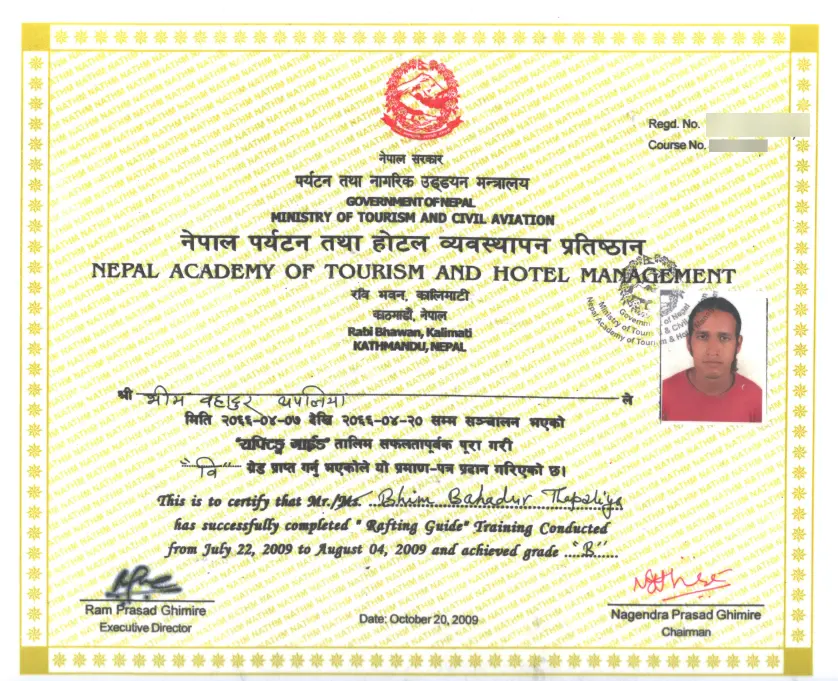
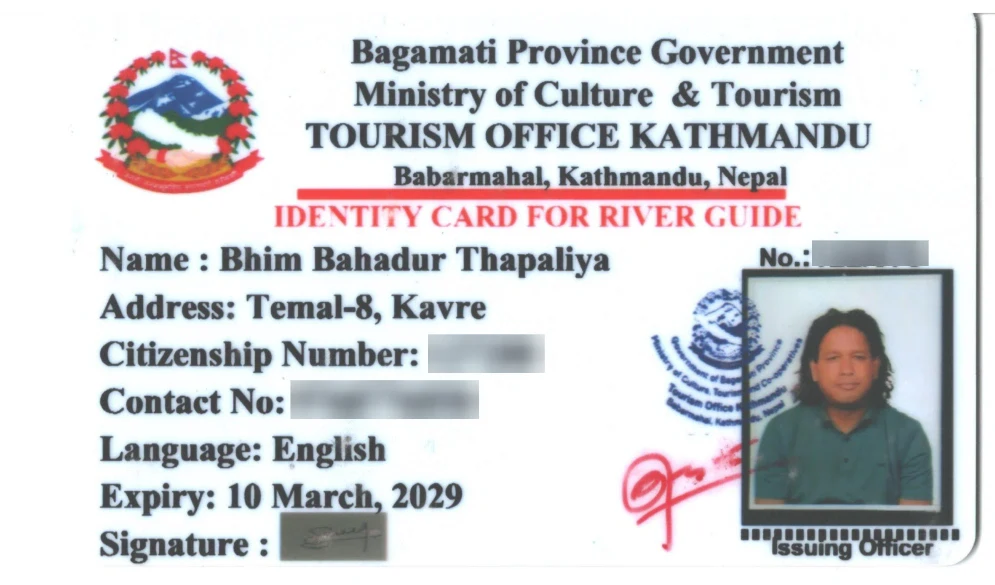
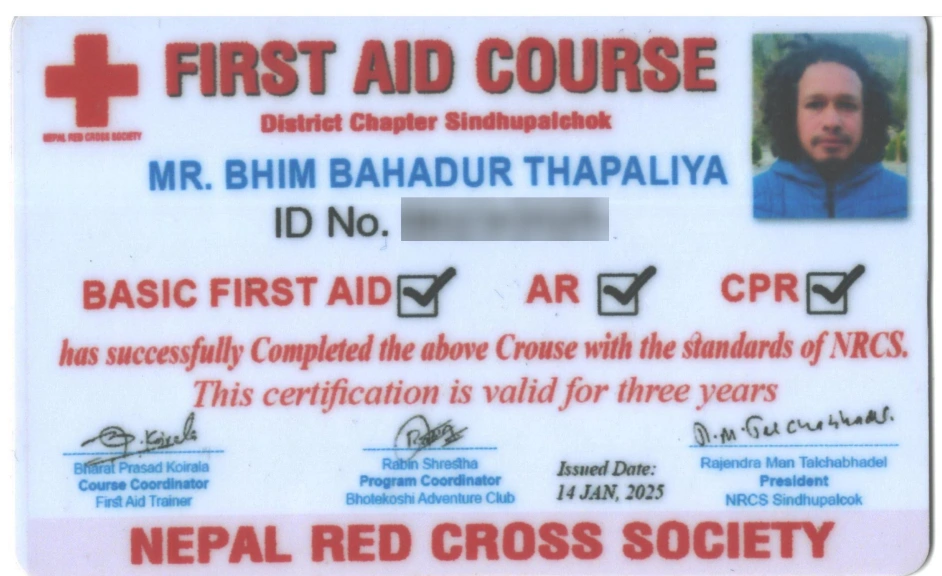
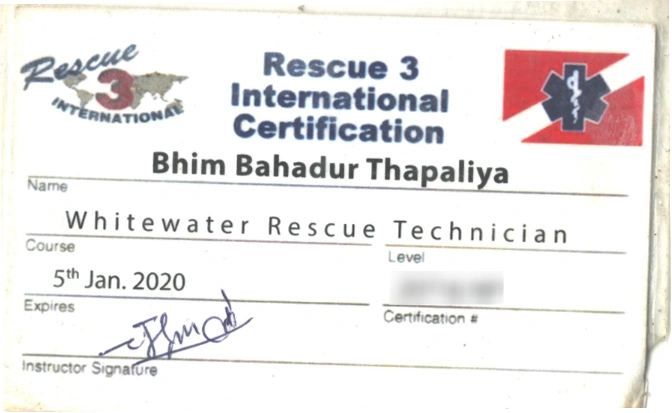
Bhim Bahadur Thapaliya

Kayak & Safety Instructor and Rafting Leader, Nepal River Runner

Born beside the Roshi River, Saroj has spent more than two decades guiding Nepal's white water—from trainee helper to expedition leader—and still fights to keep Himalayan rivers free-flowing.

Saroj Thapaliya
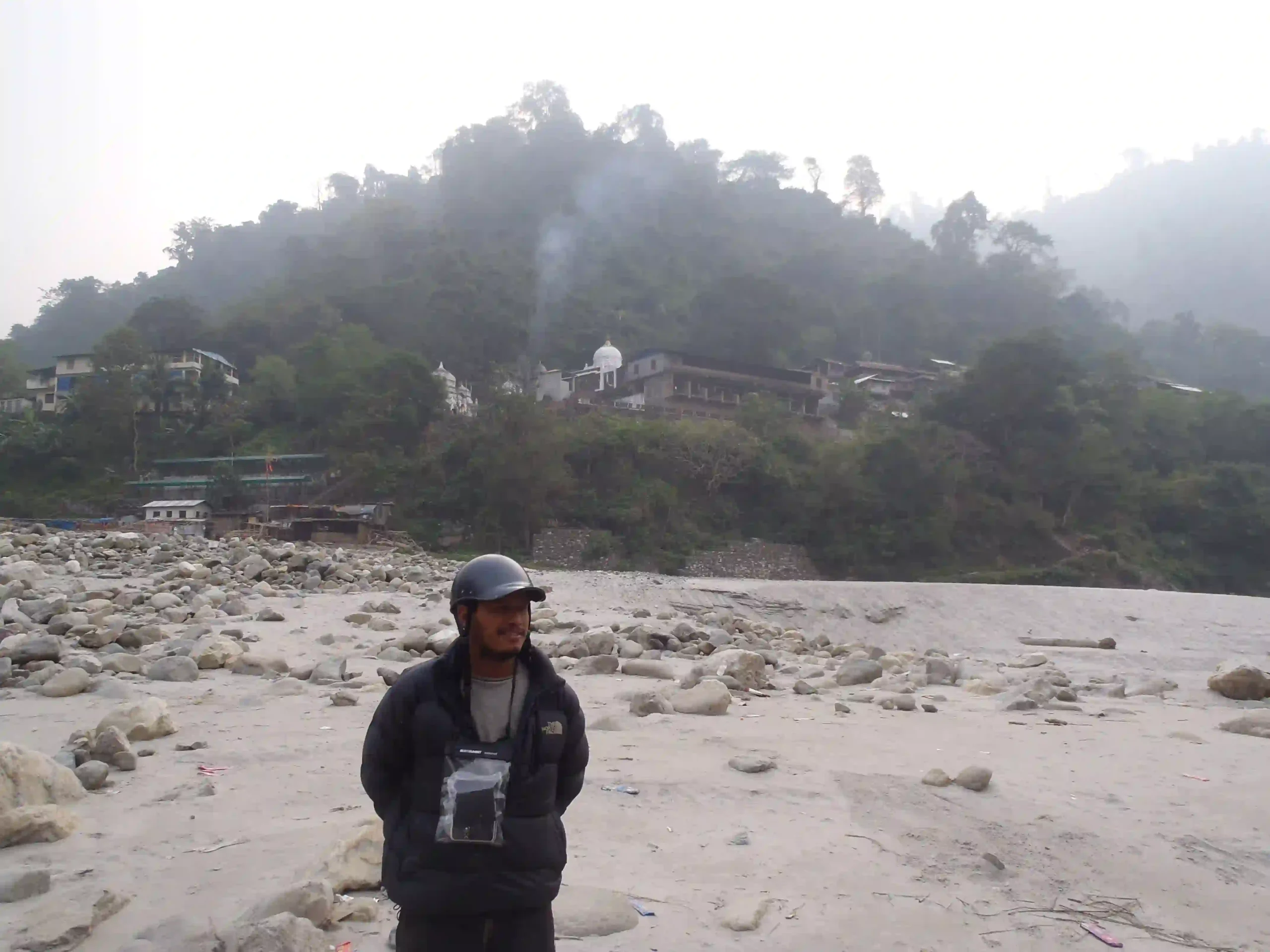
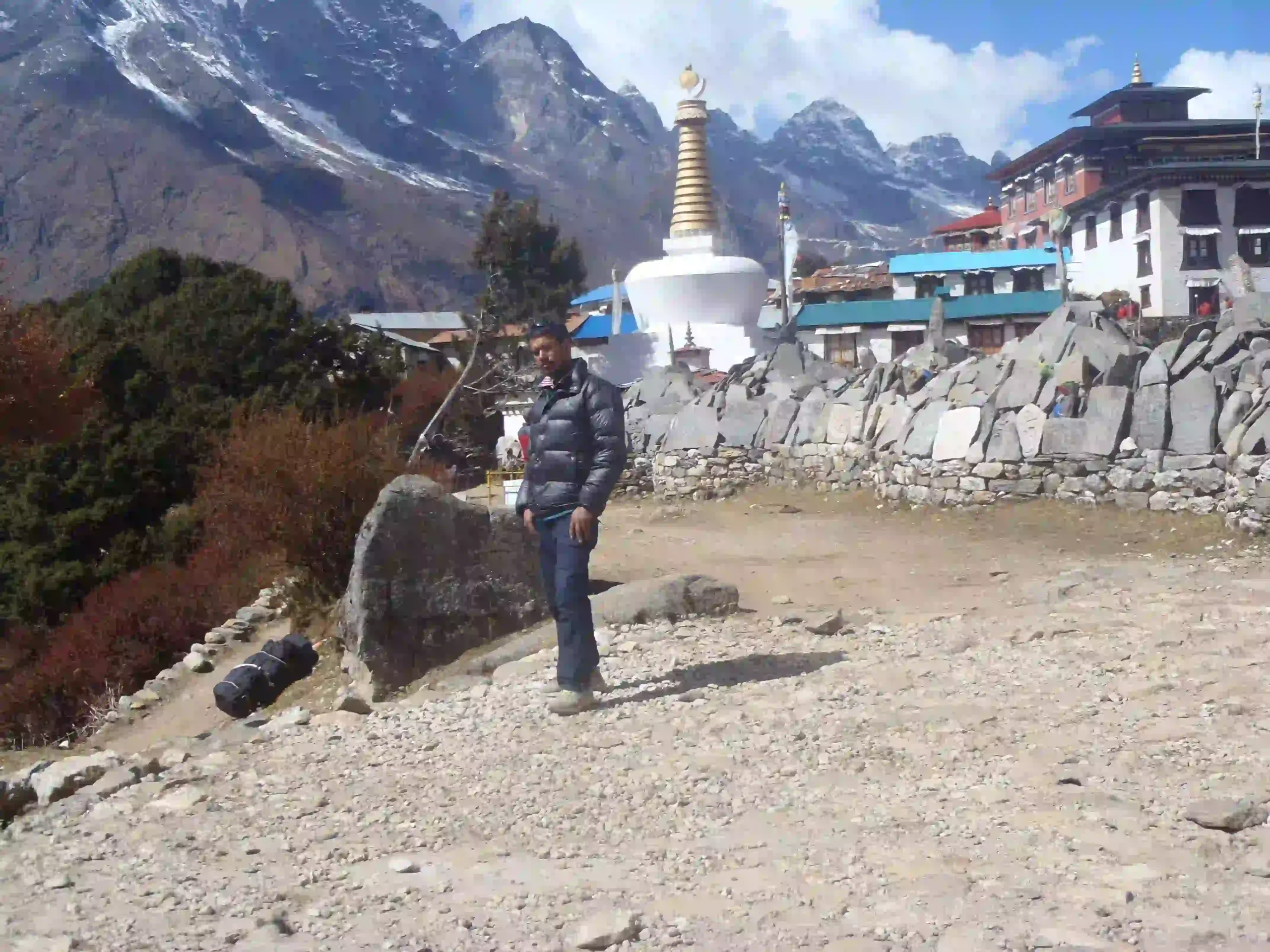
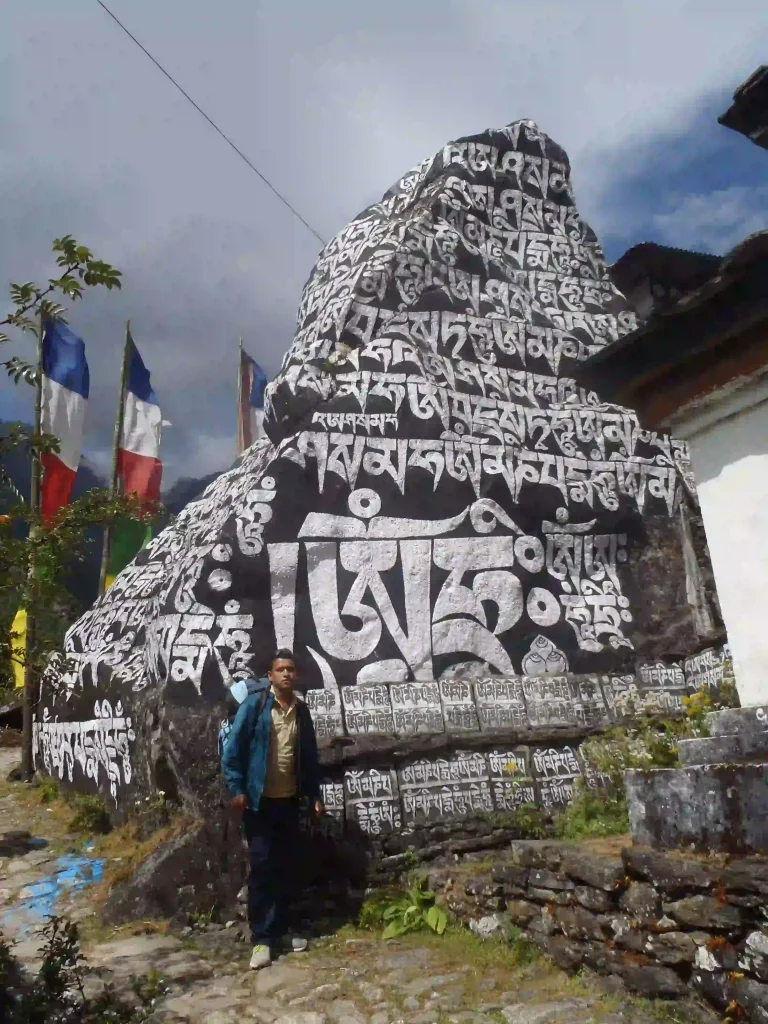
Saroj in front of sacred rock

From the Roshi River to a Life on Expeditions

I was born in 2041 B.S. (1984 A.D.) at Panthali, beside the Roshi River, a tributary of the Koshi River. I started swimming in the Roshi when I was about five years old, so the river was part of my life from a very early age. When I was around 15, I came to Kathmandu and entered the rafting industry as my first job. I started as a helper and junior trainee, learning everything from the basics of river work to expedition life. By 2003, I had started guiding and kayaking.

Since then, I have worked across Nepal’s major white-water rivers, including the Upper Bhotekoshi, Sunkoshi, Karnali, Tamur, Kali Gandaki, Seti, Arun, Trishuli, Tamakoshi, Thuli Bheri, Upper Trishuli, Balephi, Bheri and Marsyangdi, as well as the Upper Arun gorges. Over the years, my work has grown beyond guiding and kayaking. I have actively taken responsibility as an expedition logistics leader, meal planner and trip leader, helping manage the practical side of multi-day expeditions from the river to the camp. I have also travelled to Dubai, Iran and India to visit and experience rivers and river-running environments.

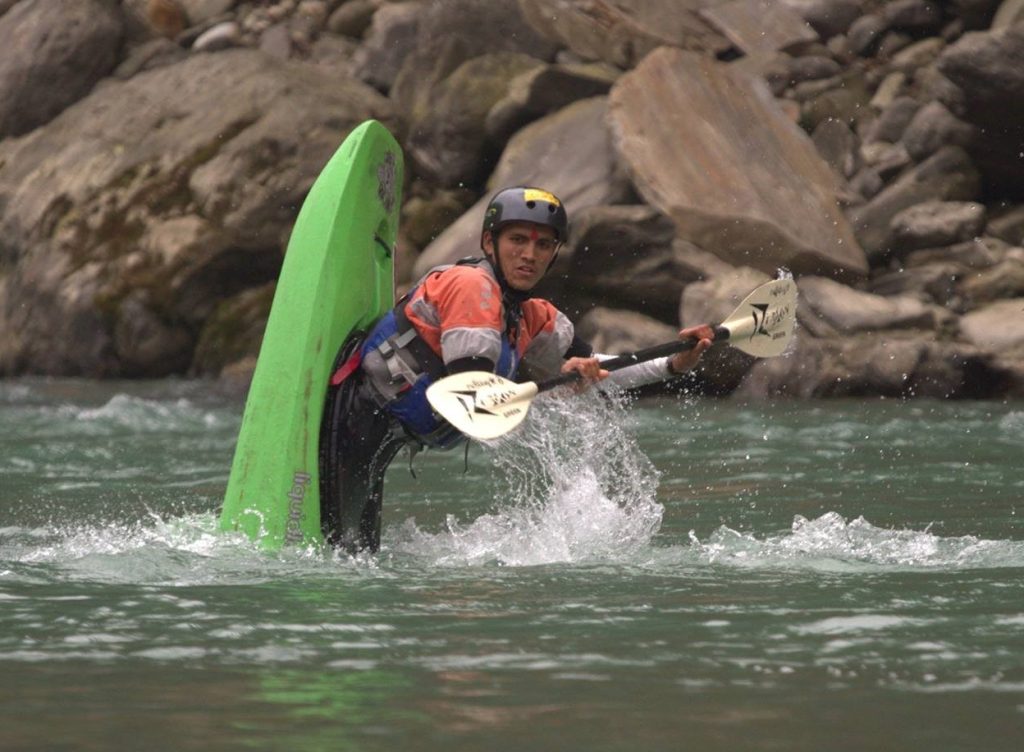
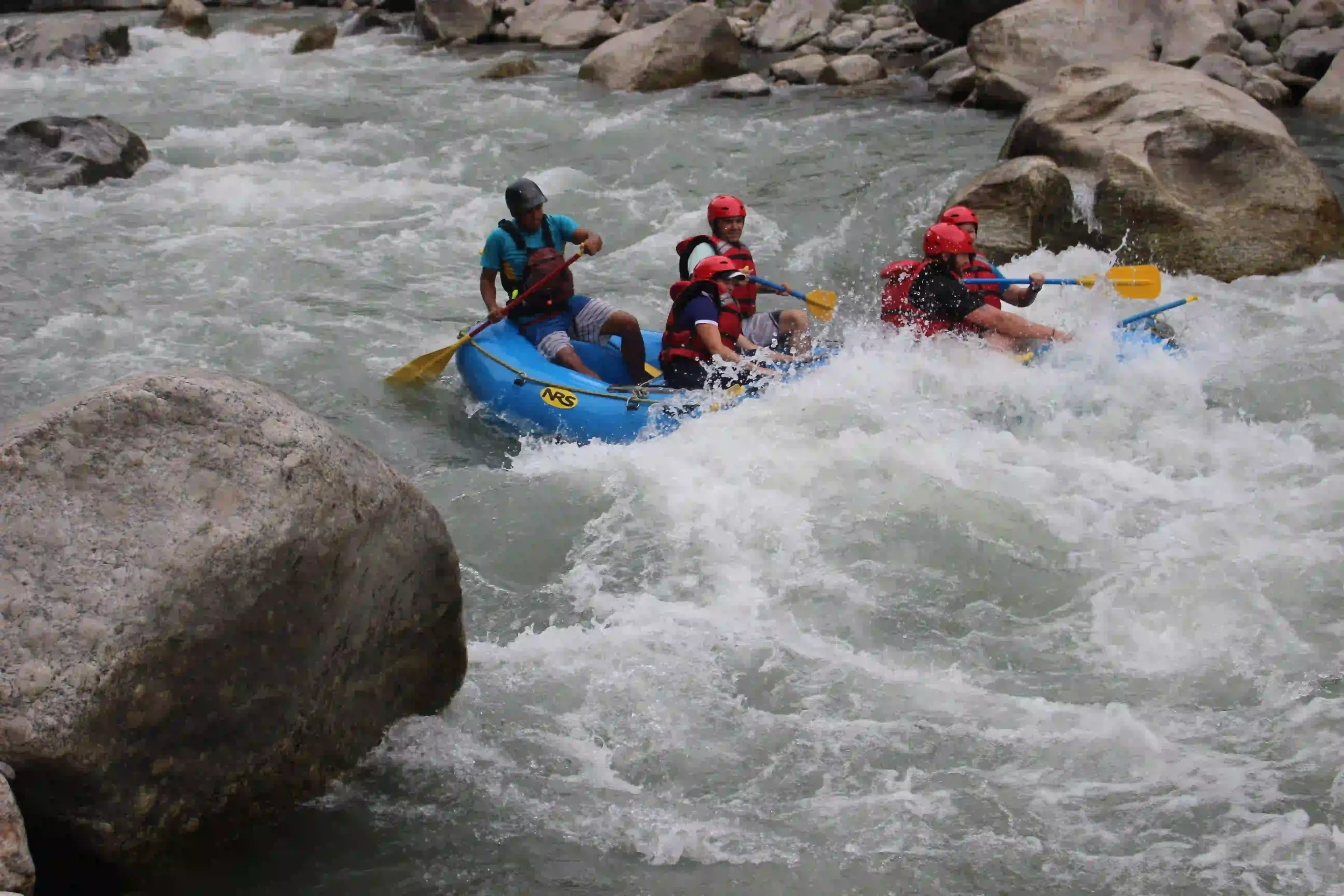
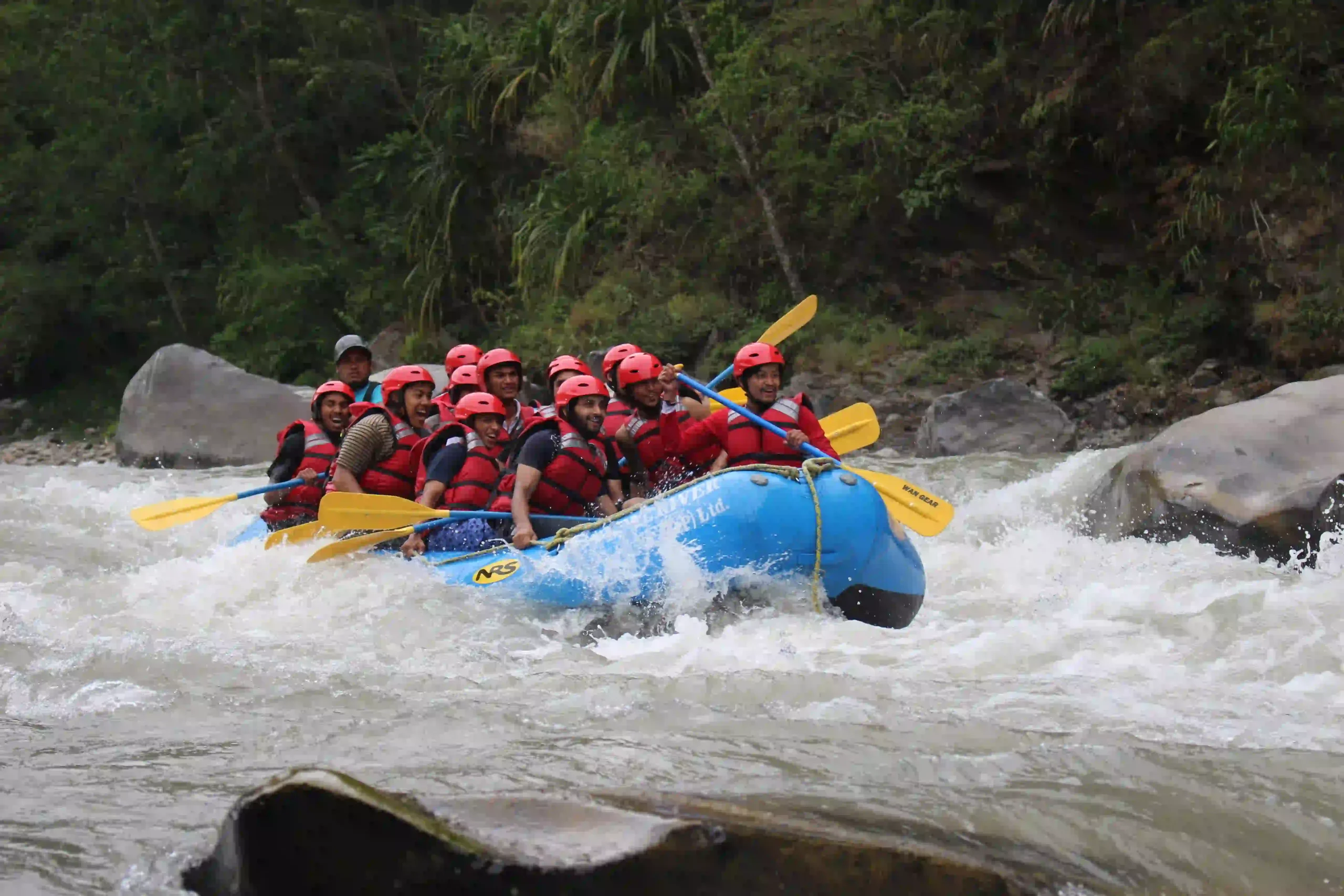
Saroj High Current Rafting

My Life in Japan

Since 2019, I have also been working seasonally in Japan as a rafting and kayaking guide. My experience there includes the Nagara and Tone Rivers, as well as Fox and Hanage Canyon in Minakami.

I have also worked with swan paddleboats and rowboats on Haruno Lake.

Working in different river environments has given me a broader understanding of guiding, safety and how river-based activities are operated in different countries.

Saroj in Tamur Expedition

My favourite river is the Arun.

I love its large volume of water, narrow channels, deep gorges and jungle corridors. The character of the river changes as you move through it, and the combination of powerful water and remote surroundings makes the Arun especially memorable for me.

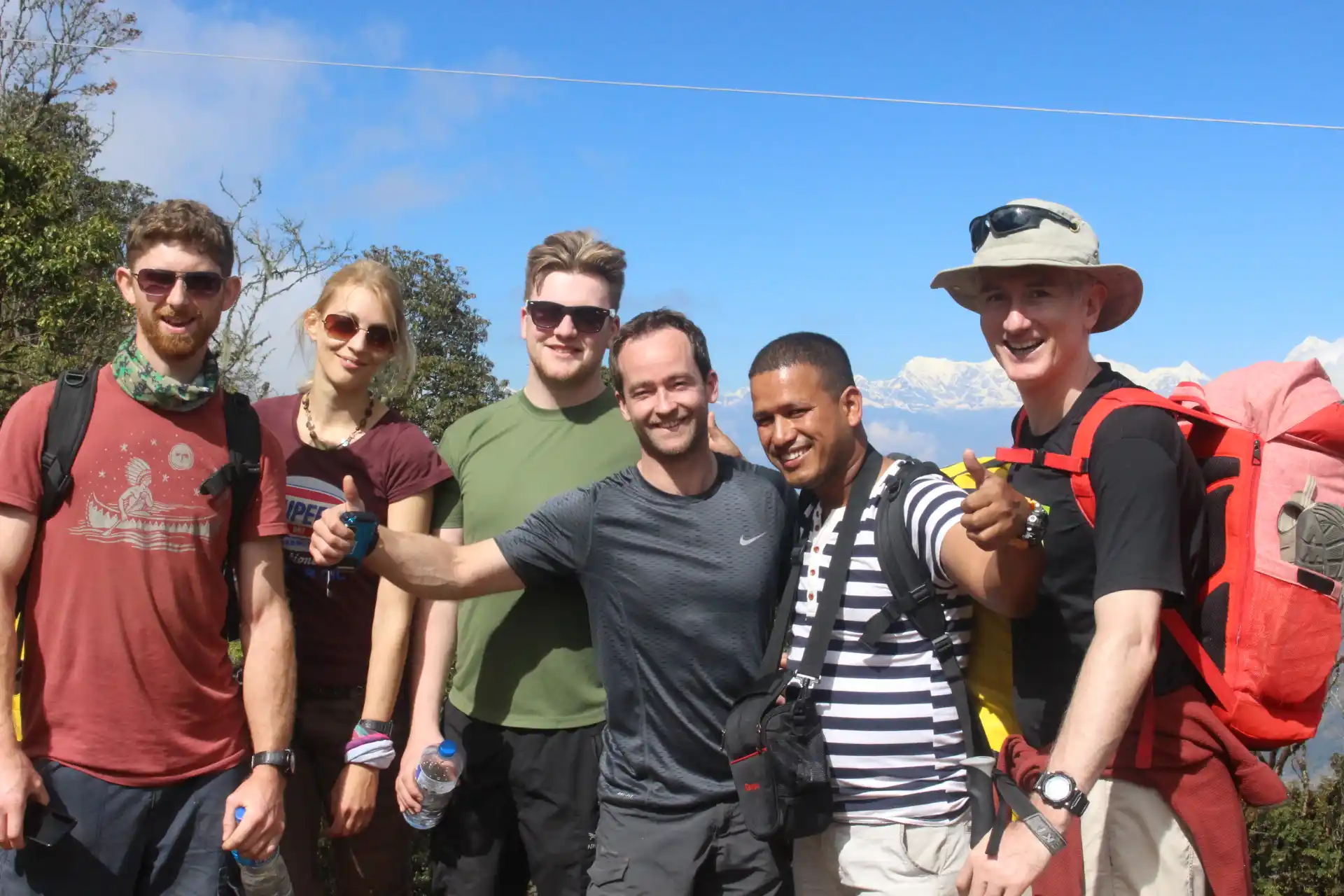
Saroj Bhotekoshi Group Photo

A Tamur Beach Party I Still Remember

Not every memorable river experience is about difficult rapids. One of my favourite memories is from a Tamur River expedition with a Slovenian team. We shared a beach camp, had a big BBQ, enjoyed pork BBQ, made the famous Khukuri Rum Punch, and spent the evening singing and dancing together. After spending days working hard on an expedition, those moments around the campfire and on the river beach create a different kind of memory. They remind me that rafting is also about friendship, culture and sharing experiences with people from different parts of the world.

Ready to experience the rivers Saroj loves?

Explore Arun River rafting Plan a trip with us
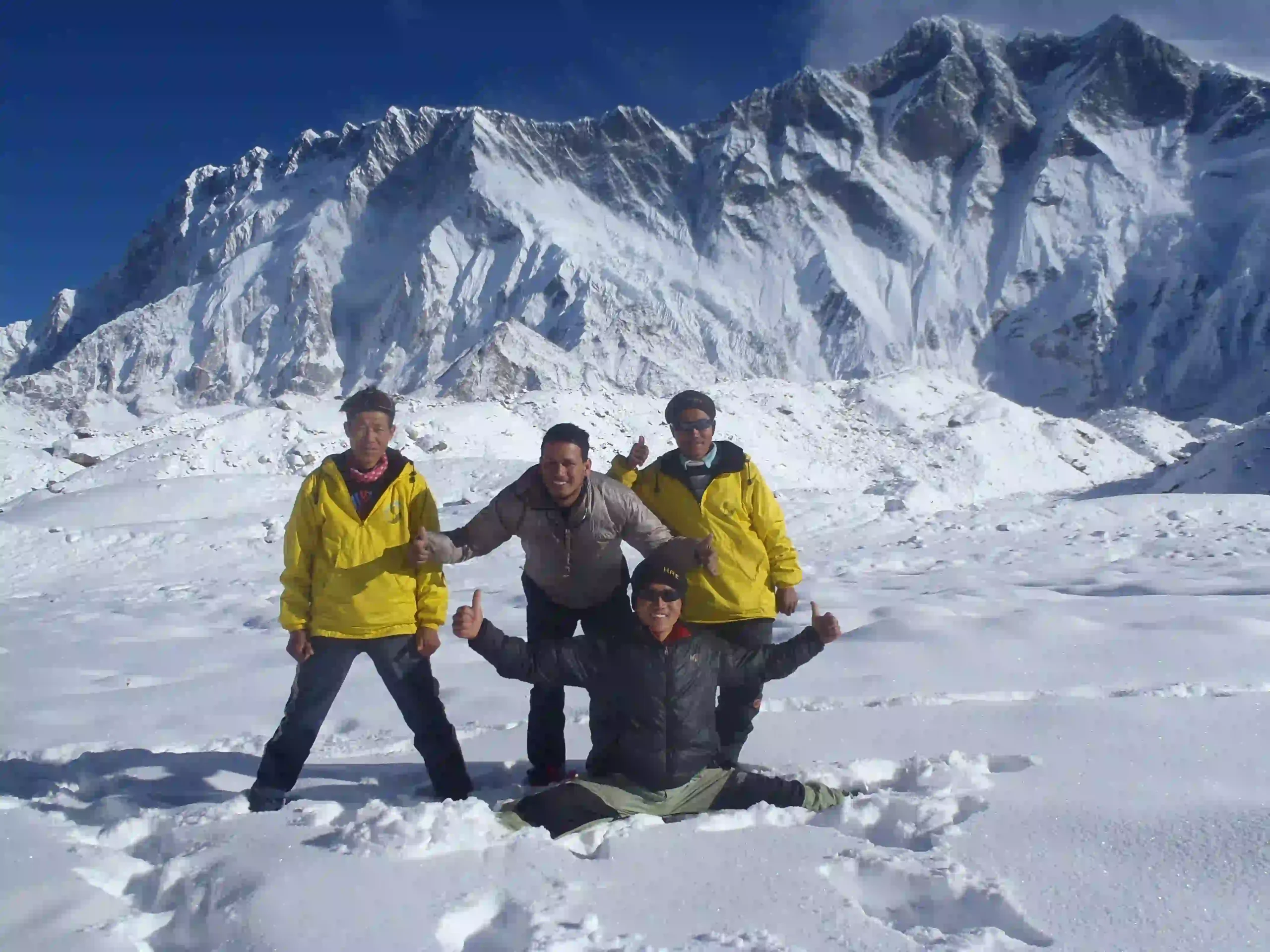
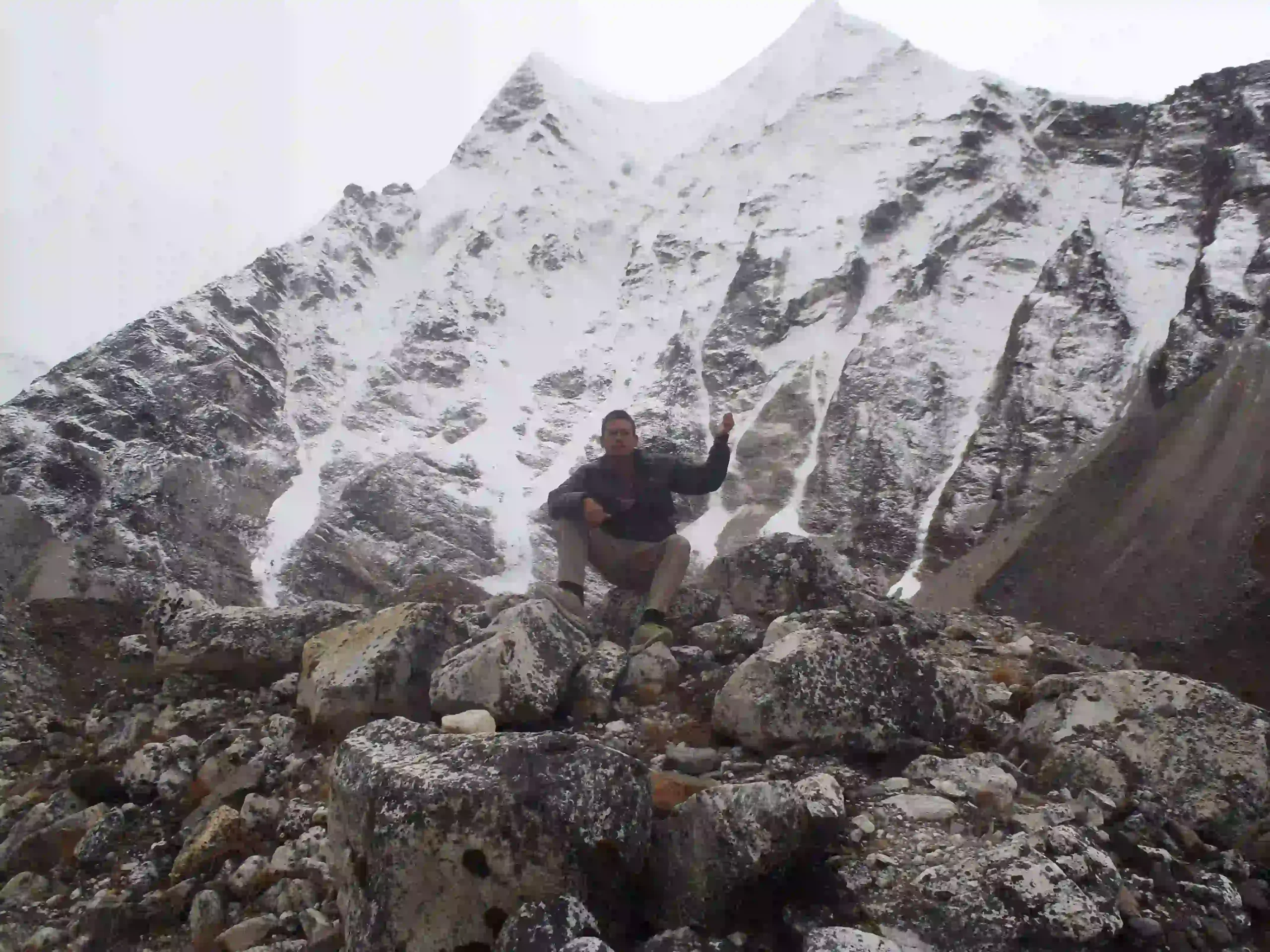
Saroj in Snow

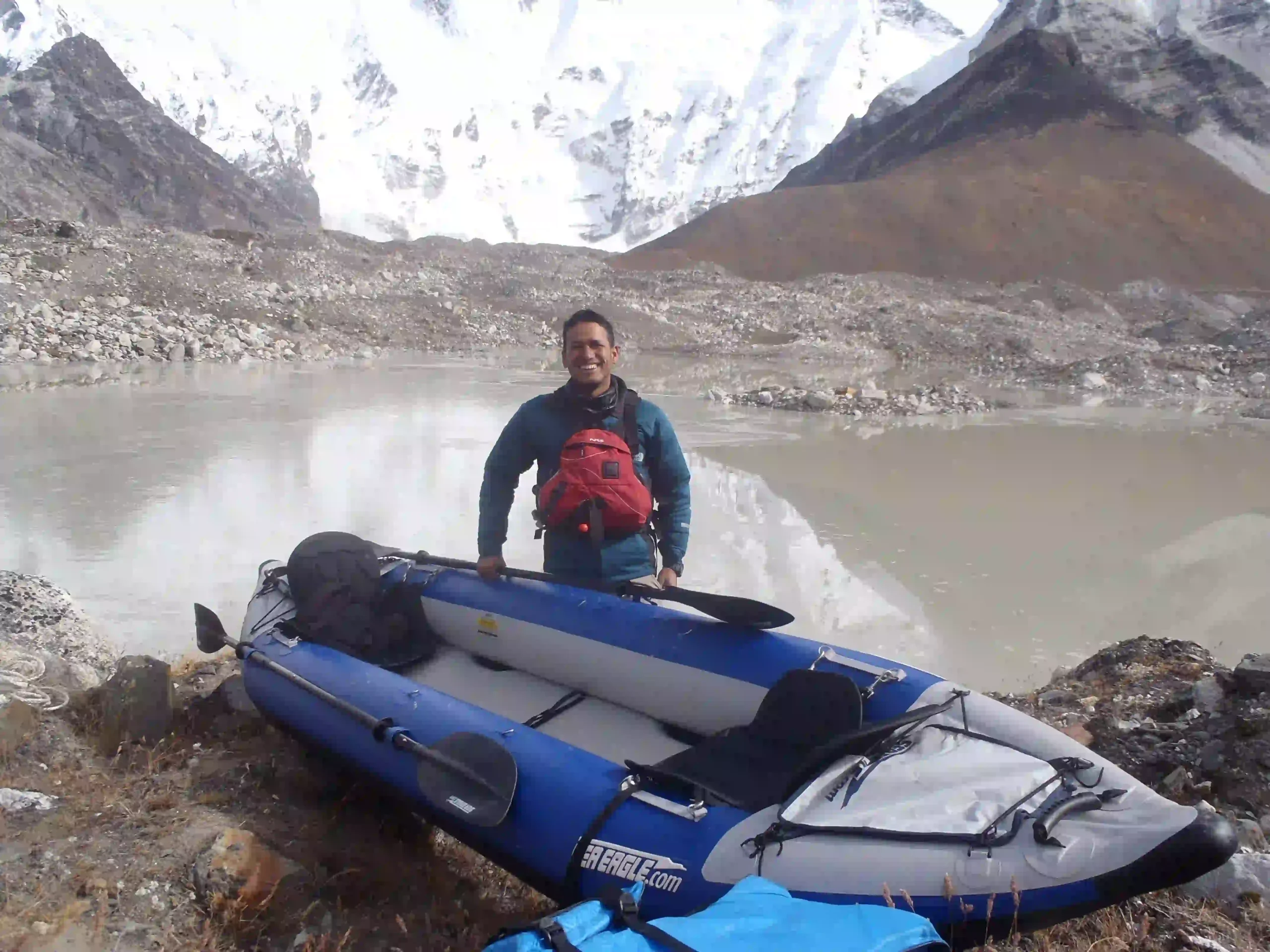
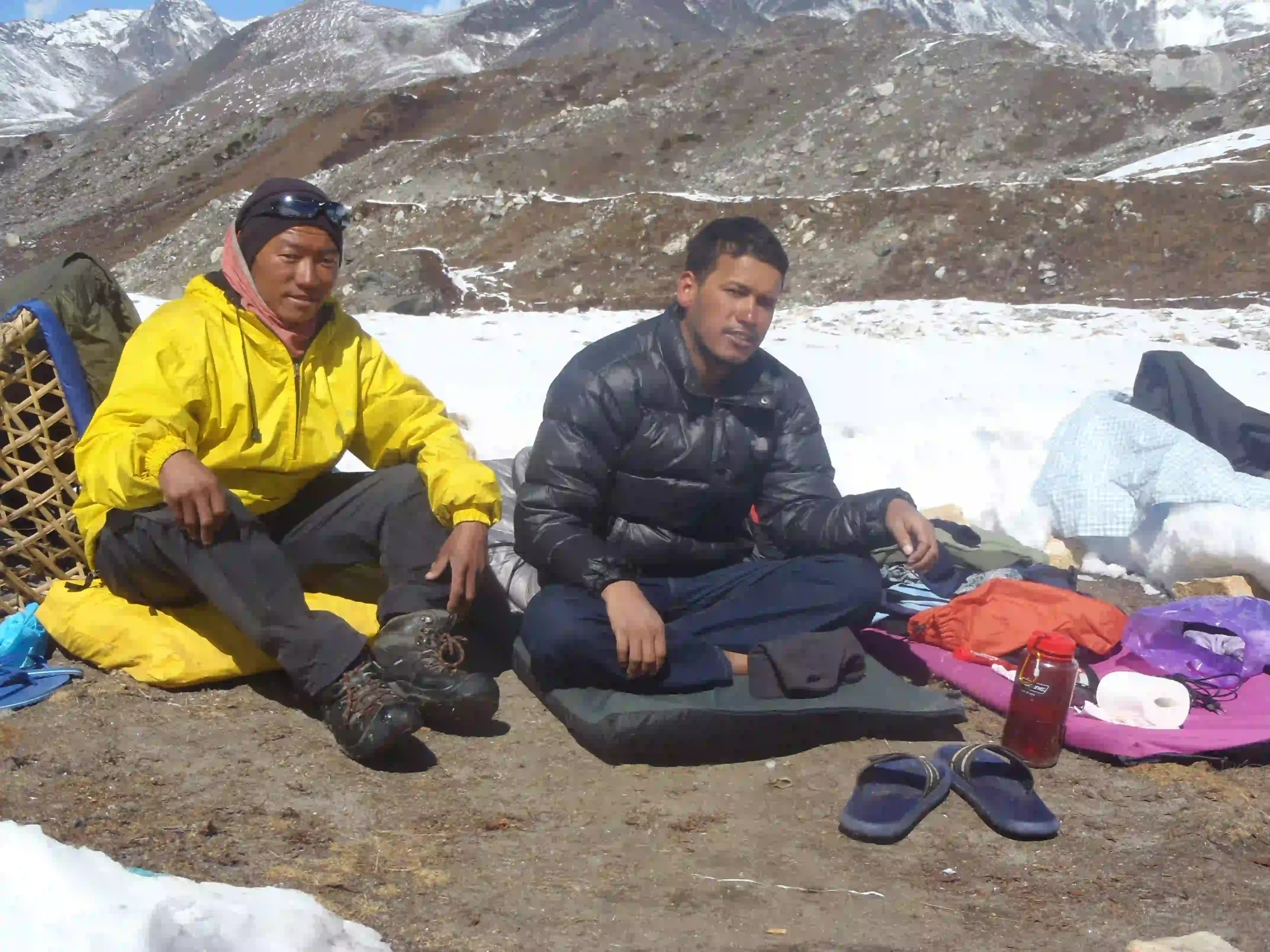
Seven Days of Snow on the Imja Expedition

Another experience that has stayed strongly in my memory was the 2011 GLOF expedition at Imja Tsho.

During the expedition, we experienced seven continuous days of snowfall. We became stuck around the lake, and eventually food had to be brought in by helicopter.

We were camping in tents with only six or seven people alongside the GLOF research team, waiting for conditions to improve.

It was a difficult and unusual expedition compared with a normal rafting trip, but it taught me again that expedition work requires patience, preparation and the ability to adapt when nature changes the plan.

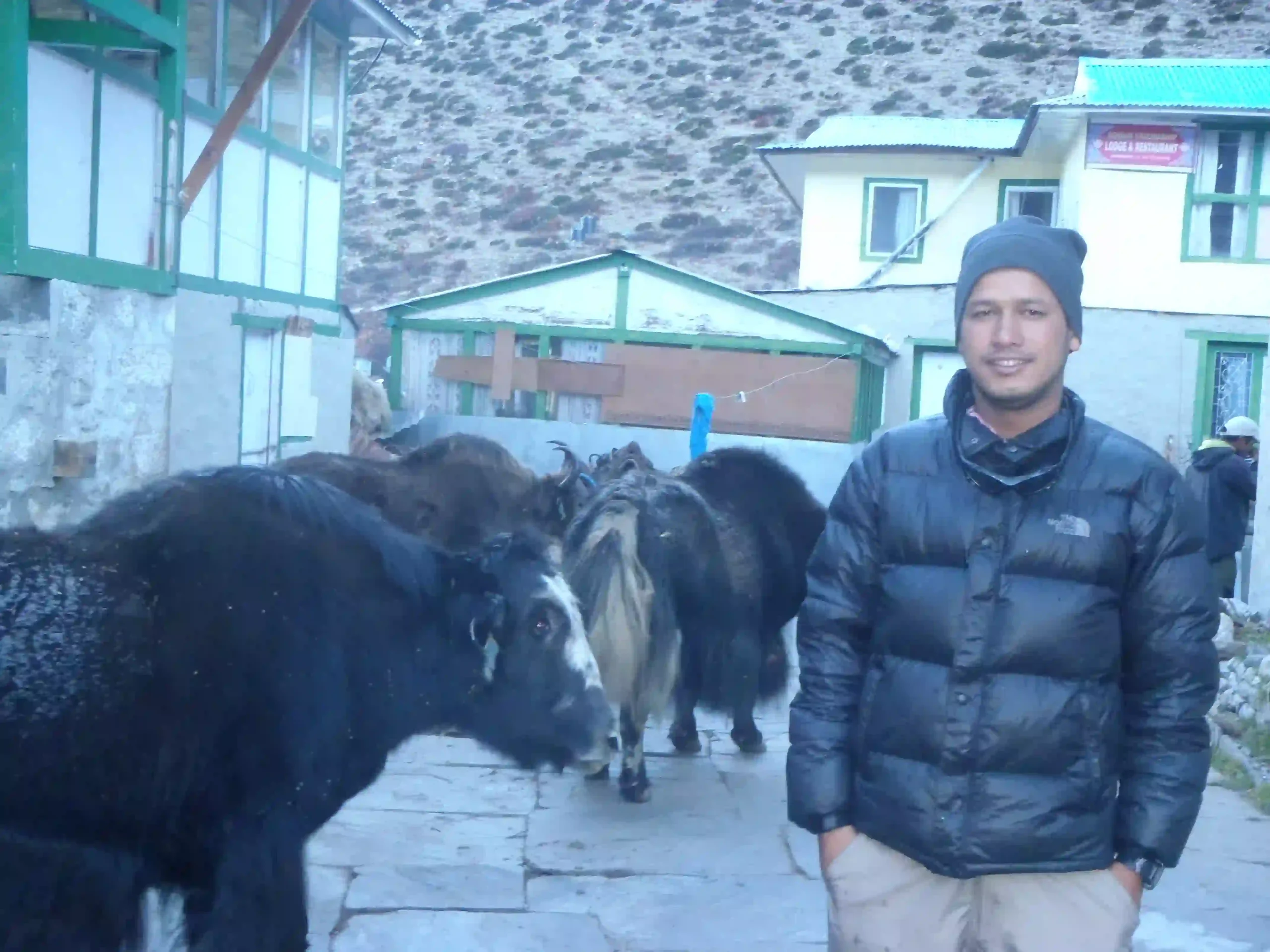
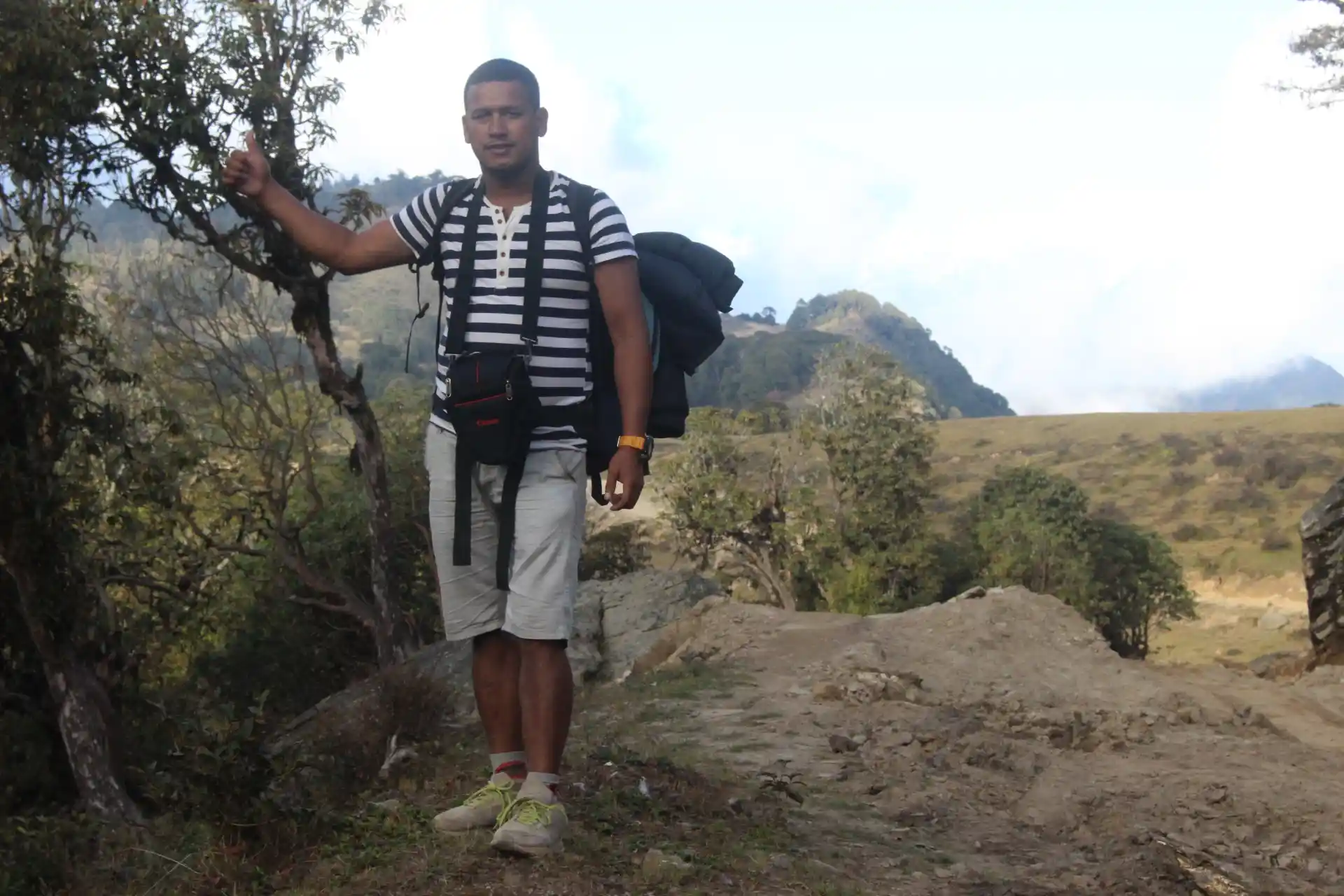
Saroj leading trek

What I Believe About Nepal's Rivers

I strongly believe in protecting Nepal’s rivers and the future of rafting and kayaking.

I have always advocated for damless designated rivers to help protect the country’s white-water resources and the eco-tourism that depends on them. Decisions about river development should involve experts, tourism stakeholders and local communities working together to understand what we stand to gain—and what we could lose.

Nepal is a country of rivers. We often speak of having around 6,000 rivers and streams. We do not need to develop every river for rafting. Even if only a small proportion were properly designated and protected for white-water tourism, Nepal would have more than enough river resources to build a world-class industry.

For me, protecting the rivers is not only about rafting. It is about protecting an experience, a livelihood and a form of tourism that depends on the rivers remaining alive and free-flowing.

“If we protect our rivers today, we protect the future of white-water tourism in Nepal.”