Is Bhote Koshi River Rafting Safe?
Yes. Rafting the Lower Bhote Koshi can be safe when you travel with licensed operators, professional guides, proper safety equipment, and clear safety procedures. However, it remains a serious whitewater experience that requires your active attention. Unlike calmer rivers, the Lower Bhote Koshi has fast rapids, wave trains, and bouncy channels that require regular paddling and focus throughout the trip.
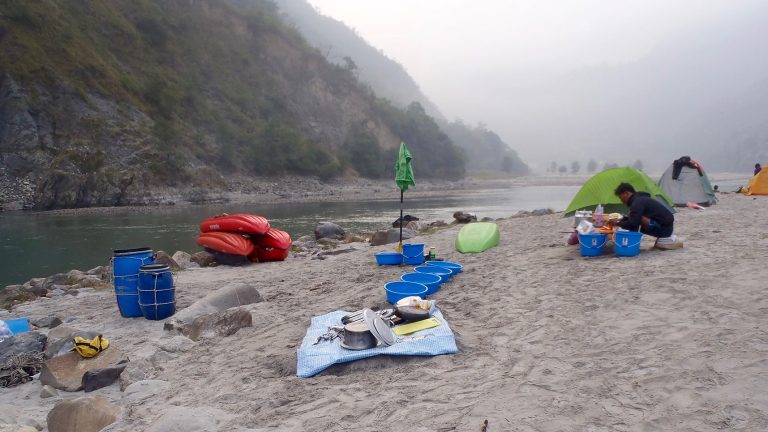
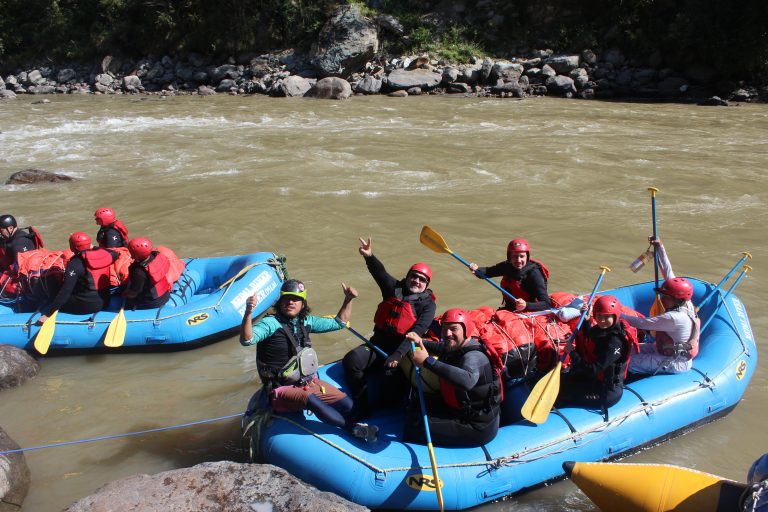
At Nepal River Runner (NRR), our guides are licensed and trained in Whitewater River Guiding, Swiftwater Rescue (SRT), and Wilderness First Aid. We also have trained safety kayakers supporting our rafting groups and provide each participant with a properly fitted life jacket (PFD) and whitewater helmet.
With professional guidance and the right safety equipment, the Lower Bhote Koshi is suitable for active beginners and first-time paddlers. You don't need previous rafting experience to join, but you should be comfortable following instructions, paddling actively, and taking part in a fast-paced whitewater experience.

Why Bhote Koshi Is Considered a Serious Whitewater Experience
The Bhote Koshi is a fast-moving Himalayan river famous for continuous whitewater, technical features, and an intense rafting thrill. It originates from the high-altitude melting snows of the Zhangzangbo Glacier in Tibet, dropping dramatically through the mountains before carving its way into Nepal.
For our commercial day trips, we use the stable, popular 13 km stretch of the Lower Bhote Koshi from Khadichaur to Sukute. Boasting a steep gradient of 7 meters per kilometer, this section serves up continuous Class III/III+ rapids packed with non-stop wave trains, bouncy channels, and open recovery pools between the drops.
Further upstream near the Tibet border lies the Upper Bhote Koshi Gorge. It is a radically different, high-consequence section featuring powerful rapids of Class IV to V. However, it remains closed to commercial trips due to historical flood debris, riverbed hazards, and upstream hydropower diversions. This closure remains in effect as of our latest route review (September 2026).
How Dangerous Is Bhote Koshi River Rafting?
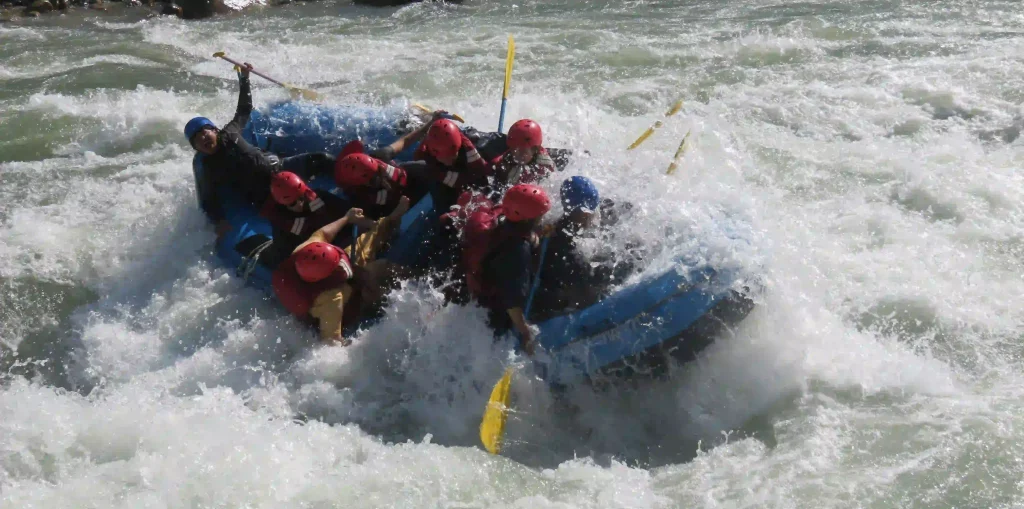
Bhotekoshi rafting is an active white water experience with Class III/III+ rapids. The Lower Bhotekoshi has continuous wave trains, bouncy channels, and fast-paced sections, so the trip requires active paddling and attention to your guide's instructions. The level of challenge also depends on the river conditions. Our guides assess conditions and manage the trip based on the river and the group.
What makes Bhote Koshi challenging?
Several factors make the Lower Bhote Koshi challenging, such as its Class III/III+ rapids, steep gradient, fast-moving water, boulder sections, and need for active paddling.
- Continuous Rapids: Unlike rivers with long calm stretches between rapids, the recovery pools here are short. You're back in the next wave train before you've fully caught your breath.
- Steep Gradient: That drop keeps the current moving fast even in sections that look calm on the surface, so the river rewards staying alert the whole way down, not just during the named rapids.
- Glacial Source: Because the river is glacier-fed, water levels and clarity can shift through the day as snowmelt runoff changes, something our guides factor into the morning's trip plan.
- Boulder Sections: Parts of the route involve boulder-garden maneuvering, so you'll need to follow your guide's instructions and paddle as directed.
- Active Paddling: This is an active whitewater rafting trip, not a relaxed float. You will need to paddle and stay focused throughout the river run.
- Changing River Conditions: Water levels and river flows can change with the season and weather, affecting the character of the rapids and the overall rafting experience.
Is Bhote Koshi Safe After the 2026 Floods?
Yes. The Lower Bhotekoshi rafting route used by NRR runs on a completely different river system from the one affected by the 2026 disaster, which struck the Bhote Koshi in Rasuwa district, a separate watershed that drains into the Trishuli. Our 1-day Bhote Koshi River Rafting trip runs on the Lower Bhotekoshi from Khadichaur to Sukute in Sindhupalchok. Still, check current river and road conditions before booking a 2027 trip.
What Happened to the Bhote Koshi River in 2026?
The flash flood on August 26, 2026, was an unprecedented high-altitude event. A massive rock and ice avalanche near Langtang Lirung broke free and briefly dammed the Lhende Khola tributary near the Nepal-Tibet border. When the natural blockage gave way minutes later, a powerful surge of water, mud, and boulders moved downstream through the western Bhote Koshi River.
The flood wave heavily damaged border infrastructure at Rasuwagadhi and affected riverside settlements including Timure and Syabrubesi. It continued further into the Trishuli River system, damaging highways, bridges, and hydropower projects along that northern corridor.
This is actually a separate river system from ours, despite the shared name. 'Bhote Koshi' simply means 'river from Tibet' in Nepali, and several rivers share the name. The river that flooded runs through Rasuwa district and empties into the Trishuli. Our commercial route runs on the Bhote Koshi in Sindhupalchok, which flows along the Araniko Highway toward the Sun Koshi, a completely different watershed, roughly 80km away by road.
Our thoughts remain with everyone affected by this tragedy, including communities along the Trishuli corridor.
Is Bhote Koshi Rafting Currently Operating (Autumn 2026)?
Yes. Our Khadichaur-Sukute trips have continued to run through the autumn 2026 season. The flood did not affect this stretch of river or the Araniko Highway access route we use. As with any trip, we check conditions the morning of departure and will always prioritize safety over schedule.
Does the 2026 Flood Mean Rafting Is Permanently Unsafe?
No. The 2026 flood did not make rafting in Nepal permanently unsafe. The disaster mainly affected the Upper Bhote Koshi corridor near the Tibet border (Rasuwa) and the Trishuli River corridor, while the Lower Bhote Koshi route from Khadichaur to Sukute, where we operate our commercial rafting trip, was not affected by the disaster.
Why 2027 Travelers Should Check Current Conditions
Conditions of rafting rivers in Nepal can change quickly with seasonal weather, rainfall, and upstream water levels. For this reason, travelers planning a 2027 Bhote Koshi rafting trip should check current conditions before departure, even during the best rafting season.
When you raft with NRR, we take the following steps to keep the trip safe:
- Pre-Trip Route Checks: NRR monitors river conditions and the access route along the Araniko Highway before the rafting trip.
- Guide Assessment: Our guides assess the river and weather conditions and can adjust the route when conditions change.
- Safety Over Schedule: If conditions are unsuitable for the planned trip, safety takes priority. The trip may be postponed, adjusted, or moved to a more suitable option based on the conditions.
Is Bhote Koshi Safe for Beginners?
Yes. The Lower Bhote Koshi is suitable for active beginners and first-time paddlers, and you do not need previous whitewater rafting experience to join our trip. However, it is a Class III/III+ river with continuous wave trains and bouncy channels, so expect an active paddling experience rather than a gentle float.
You should also have a reasonable level of physical fitness, enough upper-body mobility to paddle, and the ability to follow your guide's paddle commands. You don't need to be a strong swimmer, as everyone wears a properly fitted life jacket and helmet and trained safety kayakers support the rafting group, but you should be comfortable in and around moving water.
Note: Participants must be at least 10 years old, and minors must be accompanied by a parent or legal guardian.
When Is the Best Time for Bhote Koshi River Rafting?
The best time for Bhote Koshi River rafting is generally March to June and September to November. These months offer favorable weather and river conditions for a rafting trip, while the monsoon months of July and August bring heavier rainfall and less predictable river flows.
Autumn: September to November
September to November is one of the best times for Bhote Koshi rafting. The monsoon has just ended, so the river still carries good water volume for an exciting whitewater rafting experience. The weather is also generally suitable for a day adventure near Kathmandu.
Spring: March to June
March to June is another good season for rafting on the Lower Bhote Koshi. Snowmelt and seasonal changes in river flow keep the rapids active, while the weather is generally favorable for outdoor activities. The river continues to offer its Class III/III+ rapids, making spring a good time for an active rafting experience.
What About July and August?
July and August fall during Nepal's monsoon season. During this time, heavy rainfall can cause rapidly changing river levels, muddy water, landslides, and difficult road conditions. Commercial rafting operations may be affected during this period, so check with NRR about current operating conditions before planning a rafting trip.
What Safety Equipment Is Used for Bhote Koshi Rafting?
NRR provides the main equipment needed for the Bhote Koshi rafting trip, including:
- Rafting boats: Quality rafting boats suited to the commercial river section.
- PFDs: Personal flotation devices for every rafter.
- Helmets: Safety helmets for the river.
- Paddles: Rafting paddles for the group.
- Dry bags: For keeping personal belongings dry.
- Pelican boxes: Protective storage for items that need additional protection.
- First-aid kits: Industry-standard first-aid equipment.
- Safety kayakers: Professionally trained and certified safety kayakers accompany the trip.

Our professional English-speaking guides will lead you through the trip and give you a 20-minute safety briefing before you head onto the river. The briefing covers the basic paddling commands, river signals, swimming position, and what to do if you fall from the raft.
What Should You Do If River Conditions Change?
Since Himalayan river conditions can change quickly with rainfall, water levels, weather, and road conditions, safety concerns can affect the planned rafting trip. Our guides assess conditions before and during the trip and put your safety before the schedule.
Depending on the conditions, we may:
- Adjust the route: We may change the planned rafting section, avoid specific rapids, or use a different put-in point when river conditions require it.
- Reschedule the trip: If conditions are temporarily unsuitable, we can move your rafting date to a later day when conditions are more appropriate.
- Offer an alternative: If we can't run the Bhote Koshi safely, we can discuss another suitable rafting option based on current river and road conditions.
Is Bhote Koshi Safer Than Trishuli River Rafting?
Both the Lower Bhote Koshi and Trishuli River offer commercial whitewater rafting with professional guides and safety equipment. The main difference is the intensity of the rafting experience. Trishuli generally has a more relaxed river character, while the Lower Bhote Koshi has faster, more continuous Class III/III+ rapids that require more active paddling and attention.
| Feature | Lower Bhote Koshi | Trishuli River |
| Difficulty Level | Class III/III+, continuous and bouncy | Class II+/III, with calmer sections |
| River Character | Fast, continuous whitewater and wave trains | Rapids with longer calm stretches |
| Paddling Demands | High, with active paddling throughout | Moderate, with breaks between rapids |
| River Setting | Steep, narrow, and more technical | Wider and more relaxed |
| Best Suited For | Active beginners and adventure seekers | Families and relaxed first-timers |
| Overall Experience | Fast-paced and technical rafting | More relaxed and forgiving |
If you want a faster, more adrenaline-pumping rafting trip, choose Bhote Koshi. If you prefer a gentler introduction to river rafting, Trishuli is the better fit.
Who Should Avoid Bhote Koshi Rafting?
The Lower Bhote Koshi is a Class III/III+ whitewater experience and requires active paddling and attention. Consider a gentler option if you:
- Have physical or medical limitations that make strenuous rafting unsuitable.
- Are uncomfortable in fast-moving water or strong rapids.
- Cannot paddle actively throughout the river run.
- Have difficulty following guide instructions during the rapids.
- Are under 10 years old, NRR's minimum age for the trip.
- Are unwilling to accept a route change, delay, or rescheduled date if our guides determine conditions require it.
While this isn't technical rafting and you don't need to be an experienced rafter, you should be reasonably fit, comfortable in moving water, and ready for an active rafting experience.