Rafting in Nepal During Dashain
Dashain is the longest and most important Hindu festival in Nepal, usually celebrated in September or October. It lasts 15 days. During this time, families travel back to their hometowns, businesses adjust their opening hours, and the entire country takes on a distinctly festive rhythm. It is also one of Nepal’s peak travel and trekking seasons, bringing many international visitors for outdoor adventures.
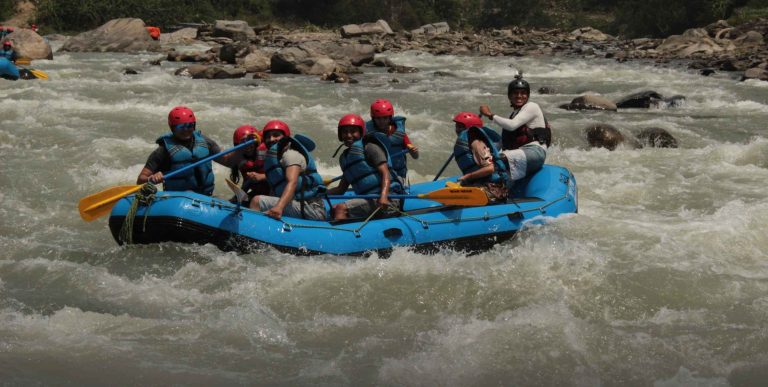
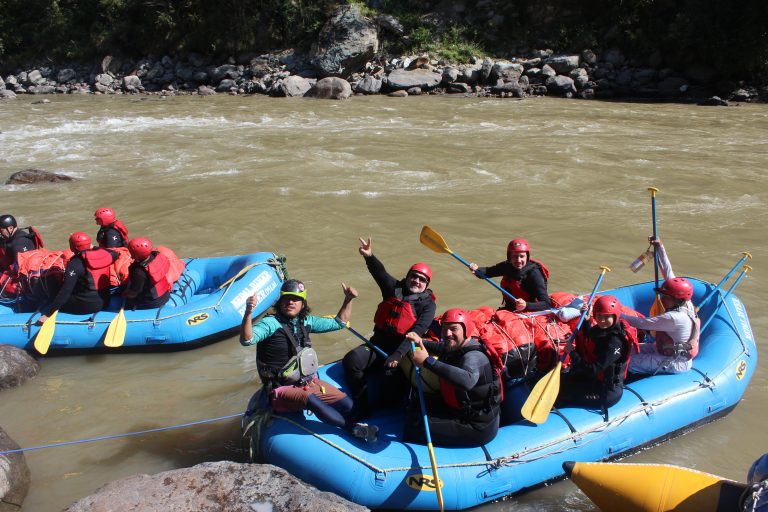
While trekking is a major draw during this period, not every traveler wants to spend their entire trip on the trails. Is white water river rafting in Nepal during Dashain still possible, and is it worth adding to your trip? The answer is yes (under normal conditions). Rafting operators continue to run trips throughout Dashain, and October is one of the best months for river conditions in Nepal.
However, a major flash flood struck the Trishuli River system on August 26, 2026. As a result, Trishuli River Rafting is completely CLOSED for Dashain 2026, as it has not received technical safety clearance. The commercial Lower Bhote Koshi (Upper Sunkoshi) is unaffected and remains operational.
How the August 2026 Flooding Affects Dashain Rafting Plans
The August 26, 2026 flash flood originated in the upper Bhote Koshi area of Rasuwa before flowing into the Trishuli River system. An ice-rock avalanche triggered the flood, causing extensive damage across Rasuwa, Nuwakot, Dhading, Gorkha, Tanahun, and Chitwan, including roads, bridges, hydropower facilities, and other infrastructure along the Trishuli corridor. As of NDRRMA's latest situation report, the confirmed death toll has passed 1,400, with several thousand people still unaccounted for. Search, rescue, and recovery operations remain active, and these figures are updated daily. Check NDRRMA's official portal for the latest count.
Because of the damage from the August 26 flash flood, Trishuli River Rafting will be closed during Dashain 2026. The rafting sections and riverside camps have not yet received technical safety clearance following the flood. The Prithvi Highway has reopened through an emergency track at Krishnabhir, but travel remains slow and difficult while work continues on the affected section.
Lower Bhote Koshi River Rafting is separate from the flood-affected upper Bhote Koshi area around Rasuwagadhi and Syabrubesi. The commercial rafting section near the Araniko Highway runs on a different river system and was not affected by this flood. Nepal River Runner's current one-day rafting route operates on the Lower Bhote Koshi between Khadichaur and Sukute. If you want to raft in Dashain 2026 while avoiding the affected Trishuli corridor, consider Lower Bhote Koshi, Seti, and Kali Gandaki as alternatives.
Note: There is currently no confirmed timeline for when Trishuli rafting will return to normal operations. If you're planning a future Dashain trip, contact us for the latest operating status.
Best Rivers for Rafting in Nepal During Dashain
The best river for rafting during Dashain depends largely on how much time you have and where you are traveling. Since the Dashain festival falls during Nepal’s busy autumn travel season, many visitors are already moving between Kathmandu, Pokhara, and trekking destinations. River conditions also vary during this period, especially as post-monsoon flows gradually settle.
Trishuli River
For most international visitors, the Trishuli River is normally the easiest place to start. It lies between Kathmandu and Pokhara, so under normal circumstances you can add a one-day rafting trip without making a major detour from the country's main travel route. The rapids are typically Class II to III+, although higher water can produce sections approaching Class IV.
Early in Dashain, usually around September and early October, the river may still have elevated post-monsoon flows, while conditions generally become calmer as autumn progresses. This makes Trishuli a practical choice if you want to raft without taking several days away from your main trip.
Dashain 2026 Update: We won't be operating Trishuli rafting this Dashain. Also, check with us for the latest status before planning a future trip.
Seti River
If your Dashain itinerary centers on Pokhara, the Seti Whitewater Rafting makes more sense than traveling back toward Kathmandu just to raft. The river is generally Class II to III, offering a gentler experience that works well for beginners and travelers who want a shorter adventure. Its relatively consistent autumn conditions also make it a convenient option when you have limited time between other activities in Pokhara.
Lower Bhote Koshi River
If you prefer stronger whitewater than easy logistics, the Bhote Koshi is the step up from the Trishuli and Seti. It is generally rated Class III to III+, making it better suited to travelers looking for a more intense experience. However even though it has a steeper gradient and faster current, it is beginner-friendly. Thus, it remains a suitable option for beginners while still offering a more exciting whitewater experience.
Dashain 2026 Update: Our commercial Lower Bhote Koshi rafting package will run as scheduled! This section is completely separate from the flood-affected upper Bhote Koshi area and remains fully operational.
Kali Gandaki River
For travelers with more time during Dashain, the Kali Gandaki offers what shorter trips cannot: a mix of whitewater, dramatic scenery, and a more remote setting. It is generally rated Class III to IV+ and is one of the better autumn options. As the monsoon influence fades through September and October, flows typically settle, so conditions can be somewhat gentler later in the season than immediately after the rains.
It's a good middle ground for travelers who want more than a day trip but don't necessarily want the biggest river water for rafting adventure in Nepal.
Sun Koshi River
If your priority is big-water rafting rather than fitting a quick adventure into a busy itinerary, the Sun Koshi River is the standout choice. This classic multi-day expedition runs strongest in autumn, with rapids typically reaching Class IV to IV+ and flows commonly around 800 to 1,200 cumecs. That makes the Dashain period particularly appealing for experienced rafters who want powerful whitewater.
However, what makes the Sun Koshi exciting also makes it harder to arrange during the festival: the expedition requires guides, support staff, camping equipment, and several days in your itinerary. If you want to raft the Sun Koshi during Dashain, you need to confirm your dates well in advance.
Quick Comparison
| River | Difficulty | Dashain Advantage | Trip Duration | Best For | Access |
| Seti | Class II-III | Convenient for a Pokhara-based itinerary | 2 Days | Beginners, Pokhara travelers | Pokhara area |
| Bhotekoshi | Class III-III+ | More intense whitewater without a multi-day commitment | 1 Day | Beginner Adventure travelers | Near Kathmandu |
| Kali Gandaki | Class III-IV+ | Scenic multi-day option as autumn flows settle | 3 Days | Scenic, remote adventure | Near Pokhara |
| Sun Koshi | Class IV-IV+ (autumn) | Peak autumn flows for big-water rafting | 10-12 Days | Experienced rafters | Requires advance planning |
Best Rafting Experience for Different Types of International Travelers
The best rafting journey during Dashain depends on your experience, location, and how much time you have between other plans. Use this quick guide to match the trip to your travel style:
Please note: River rafting and highway access in Nepal can be highly unpredictable due to seasonal post-monsoon flooding or sudden landslides. Regardless of which river you choose, always confirm current river conditions and road safety with us before booking.
First-Time Visitors
- Trishuli River Rafting: Best option for first-time visitors because of its easy access along the Kathmandu-Pokhara highway corridor.
- Rapid Level: Its beginner-friendly Class II to III+ rapids are exciting without being overly demanding.
- Status: CLOSED for Dashain 2026. Consider the Lower Bhote Koshi or Seti River as open alternatives.
Beginner Rafters
- Short Guided Trips: A 1-day or 2-day rafting trip is better than committing to a major multi-day expedition. They keep your festive itinerary flexible and make it easier to work around Dashain travel delays.
- Where to Go: The Lower Seti River (2 days from Damauli to Gai Ghat) or Lower Bhote Koshi (1-2 days from Khadichaur to Sukute Beach).
Adventure Travelers
- Bhotekoshi River Rafting: Normally one of the better choices for a steep, challenging, and intense whitewater experience.
- Location: The river is around a 3-hour drive from Kathmandu, near the Tibet border.
Travelers Based in Pokhara
- Seti River: Best for a shorter, gentler, and family-friendly rafting experience.
- Kali Gandaki: Better if you have more time and want a remote, scenic canyon adventure.
Experienced Rafters
- Sun Koshi Expedition: Best for massive, world-class autumn whitewater running at peak volume.
- Booking: Because Dashain can limit staff availability, book 6-8 weeks early to secure your preferred dates and an experienced safety crew.
Travelers with Limited Time
- Trishuli Day Trip: Normally one of the easiest ways to add a rafting adventure without rewriting your entire Nepal itinerary.
- Timing: Depart before 5:00 AM or choose an overnight riverside to help avoid heavy festival highway traffic.
- Status: CLOSED for Dashain 2026. The Lower Bhote Koshi Day Trip is our recommended alternative for time-limited travelers this season.
Travelers with Longer Itineraries
- Multi-Destination Combination: Add rafting alongside trekking, Chitwan safaris, or Pokhara sightseeing for a more varied Nepal experience.
- Cultural Experience: Longer itineraries also give you more opportunities to experience Dashain traditions, including festive gatherings and Linge Ping, the traditional bamboo swing associated with the festival.
How Dashain Affects Travel in Nepal
Visiting Nepal during Dashain can be rewarding, but the festival can also affect transportation, business hours, and daily schedules. Keep these practical points in mind:
- Buses fill quickly: Demand for domestic travel rises sharply before the main Dashain dates.
- Private vehicles are in high demand: Book transport early where possible.
- Expect possible delays: Major routes can become busier during the festival.
- Business hours may change: Shops, offices, and smaller services may reduce hours or close around Tika.
- Tour operators may have limited schedules: Confirm your rafting and transport arrangements in advance.
- Keep your itinerary flexible: Leave some buffer time when traveling to and from your rafting put-in point.
Is October a Good Time for Rafting in Nepal?
October is generally one of the best months for white-water rafting in Nepal because post-monsoon rivers still carry strong flows while the weather is typically clearer and more settled. Rather than having lower water levels, many rivers still carry large, powerful commercial flows, creating fast-paced waves and an exciting ride for paddlers. As the rains subside, water visibility improves, and clearer skies reveal breathtaking and unobstructed views of the Himalayas from the river canyons.
These conditions make the rivers especially exciting, but they also come with one important consideration: cold water. Much of the high-volume flow comes from high-altitude snow and glacial melt, making the water exceptionally cold. Travelers should confirm that their outfitter provides professional insulated gear, including neoprene wetsuits and heavy-duty splash jackets, particularly for intense glacial runs such as the Bhote Koshi and Sun Koshi.
The appeal of rafting in October goes beyond the river itself. The month coincides with Nepal's two biggest festivals, Dashain and Tihar. This gives you the chance to combine a whitewater adventure with the country's festive culture. Along the river corridors, rafters may pull onto sandy beaches to join local villagers on massive, 20-foot community bamboo swings (Linge Ping), fly colorful paper kites, and share traditional holiday treats such as Sel Roti (sweet fried rice donuts).
For travelers who want to experience this atmosphere more fully, overnight beach camps can bring the celebrations directly to the river. Instead of simply rafting through the region and moving on, guests can spend the evening along the riverside, where guide crews and travelers can celebrate together in a warm, festive setting.
The main challenge is logistics. Dashain increases demand for road travel, so journeys to rafting put-in points can take significantly longer than usual. At the same time, senior guides, safety kayakers, and transport drivers may return home for family blessings, leaving top operators with restricted capacities. Book your rafting trip in advance, especially if you are traveling around the main Dashain holiday days or planning a multi-day expedition, and confirm that the package includes private, round-trip tourist vehicle transport to avoid getting stranded.
How to Get to the Rafting Rivers (Dashain Edition)
The place you stay largely determines which river is most convenient to reach. If you are rafting from Kathmandu, Trishuli and Bhote Koshi are the main options. From Pokhara, Seti and Kali Gandaki are easier to incorporate into your itinerary.
| Starting Hub | Target River | Dashain Travel Time | Best Transport Option |
| Kathmandu | Trishuli River Rafting (Closed for Dashain 2026) | 6-9 hours (normally around 3 hours) because of heavy holiday traffic leaving the valley. | Use rafting as a transit break: Raft the middle section toward Pokhara or Chitwan, then arrange a private vehicle to meet you at the take-out point. |
| Kathmandu | Bhotekoshi River Rafting | 4-6 hours along the Arniko Highway, with possible post-monsoon road delays near the Tibet border. | Private outfitter van: Depart before 5:00 AM and confirm that your package includes round-trip private transport, as public buses can be difficult to secure during Dashain. |
| Pokhara | Seti River Rafting | 1-2 hours, with relatively smoother access away from the main Kathmandu exit routes. | Rafting package transfer: The easiest and lowest-stress option for travelers based in Pokhara. |
| Pokhara | Kali Gandaki River Rafting | 4-5 hours to the remote put-in, with rough or muddy roads possible after the monsoon. | Private four-wheel drive: A dedicated private vehicle is the better choice for reaching the remote canyon reliably. |
Two Things to Confirm Before You Book
- Road conditions: After the severe August flooding, critical highway links such as the Prithvi Highway reopened via emergency tracks in September 2026. However, travel times can still differ significantly from normal estimates because of post-flood road damage, ongoing repairs, and temporary diversions. Always confirm current road access with your rafting operator before relying on standard travel times.
- Transport type: Avoid relying on local public buses during the main Dashain travel period, as they fill quickly and add uncertainty. When booking a rafting package, confirm what transport is included and whether the operator provides private transfers to and from the rafting put-in and take-out points.
Can You Combine Rafting With Other Nepal Experiences During Dashain?
Rafting can easily fit into a wider Nepal itinerary during Dashain, Nepal's biggest festival. This period gives you a rare chance to experience Nepali culture and adventure. However, heavy festive traffic, busy transport routes, and holiday closures mean you need to plan your combinations carefully.
Dhulikhel + Namobuddha + Bhote Koshi Multi-Day Escape
For travelers wanting a seamless blend of Tibetan Buddhist culture, panoramic mountain views, and adrenaline without dealing with the compromised western highways, this eastern corridor is the best choice. You can explore the ancient stupas of Namobuddha, watch the sunrise over the Himalayas from Dhulikhel, and cap it off with intense whitewater rapids.
This route runs entirely along the Araniko Highway corridor, completely bypassing the flood-impacted zones to the west. This makes the route a practical option for Dashain 2026, especially if you want to combine cultural sightseeing with Lower Bhote Koshi rafting.
Kathmandu + Trishuli Rafting (1 Day)
A Kathmandu tour and Trishuli River rafting combination is ideal for short rafting trips. You can spend time exploring Kathmandu’s cultural sites and experiencing the festive atmosphere before adding a one-day rafting adventure. Starting early can also help you avoid some of the heavier traffic on the Kathmandu-Pokhara route during Dashain.
Operational Note: While the Trishuli River is the traditional choice for this pairing, it is closed for the Dashain 2026 season following the severe August floods. For 2026, the Lower Bhote Koshi Day Trip along the Araniko Highway serves as the most reliable, fully open alternative for Kathmandu-based travelers.
Rafting + Chitwan Wildlife
A rafting and Chitwan tour gives you a mix of adrenaline and wildlife, allowing you to experience Nepal beyond the mountains. After conquering the rapids, you can head straight into Chitwan National Park for elephant-back or jeep safaris to spot rhinos and Bengal tigers. During Dashain, you will see local Tharu communities celebrating the festival along the highway corridors. Just make sure to confirm safari and transport availability in advance, as some local services operate on reduced schedules during the main festival days.
Under normal conditions, travelers use a Trishuli trip as a direct transit stopover to Chitwan. For Dashain 2026, a seamless alternative is completing a 2-Day Lower Seti rafting trip. It launches near Pokhara (Damauli) and takes out at Gai Ghat, putting you right at the edge of Chitwan, completely bypassing the flood-damaged highway sectors.
Kathmandu + Rafting + Pokhara or Chitwan Tour
You can also combine Kathmandu, rafting, and a Pokhara or Chitwan tour if you want to experience different sides of Nepal during Dashain. You can experience the festive atmosphere in Kathmandu, add a rafting adventure, and then continue to Pokhara or Chitwan.
Because landslides damaged the main highway infrastructure between these hubs and it was bypassed via emergency tracks in September 2026, travel times along this triangle are longer than usual. For a smooth trip, consider open rivers like the Lower Seti or Lower Bhote Koshi depending on your travel direction.
Rafting + Mountain Trekking
If you want to experience the best of Nepal’s autumn season, combining a short white-water rafting trip with trekking during Dashain creates an exciting land-and-water itinerary. You can enjoy the festive atmosphere and local Dashain celebrations before or after your trek.
A classic choice is pairing a river trip with a trek in the Annapurna Foothills (like Poon Hill or ABC) out of Pokhara. For Dashain 2026, check the latest road conditions before combining rafting with a Langtang trek, as ongoing flood recovery has affected some northern approach routes.
Multi-Day Wilderness Expedition
A multi-day rafting expedition suits dedicated adventure travelers who want the river to be the main focus of their Dashain trip. A 10-day Sun Koshi River Rafting expedition, for example, takes you away from the busy towns and highways and into remote riverside landscapes during the festival period. It requires several days and advance logistical planning, so it is best suited to travelers with a flexible itinerary.
Contact us to plan your rafting trip or find an itinerary that fits your Dashain travel plans. We can help you choose the right river, trip duration, and combination based on your time and interests.